By Staff Reporter
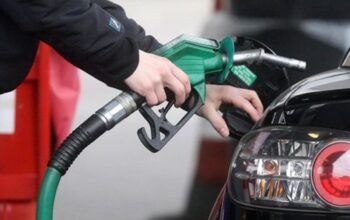
ISLAMABAD: Pakistan’s oil refiners agreed to cut diesel prices by more than Rs30 to Rs32 a liter, Petroleum Minister Ali Pervez Malik said Wednesday, delivering relief to consumers after months of price increases tied to the war in the Middle East.
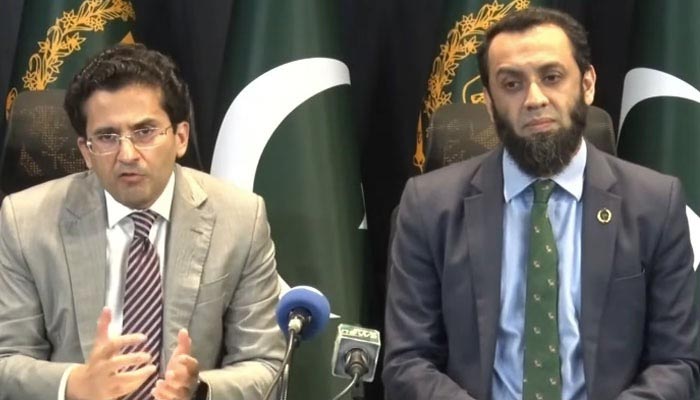
The Oil and Gas Regulatory Authority will announce the finalized calculations shortly, Malik told reporters in Islamabad, appearing alongside Information Minister Attaullah Tarar. The reduction follows a series of virtual meetings between the government and refinery executives that Prime Minister Shehbaz Sharif ordered directly, according to Malik.
“Prime Minister Shehbaz Sharif also made a request to the refineries,” Malik said. “He instructed me, and after that we had two or three virtual meetings with the refineries. I am happy to announce that the refineries have accepted the government’s demand while acknowledging the difficulties, and decided on a significant decrease of more than Rs30 or Rs32 in the diesel price.”
The announcement came hours after Sharif chaired a meeting with Malik and the petroleum secretary, directing officials to negotiate with refiners and extend whatever relief was possible to the public, Tarar said. The prime minister’s office said Sharif had instructed Malik to conclude the negotiations quickly, noting that domestic refineries supply a large share of the diesel Pakistan consumes and that any cost savings should be passed to consumers.
“Refining is a key part of diesel production,” Tarar said. “Ogra will soon announce a Rs32 reduction. The prime minister specifically requested negotiations, and the petroleum minister worked hard to ensure that they were successful.”
Diesel prices in Pakistan have been volatile since fighting escalated in the Middle East. Malik said the price had climbed from Rs281 a liter after hostilities broke out on February 28, and separate figures cited Wednesday put the price at a peak of Rs520.35 on April 3 and at nearly Rs400 a liter more recently — figures that underscore the swings the government has been managing through weekly and, more recently, daily price reviews.
Malik attributed the pressure on prices to a widening gap between crude oil and refined-product costs on international markets. “The crack margin of refined products over crude oil is now touching $60 to $70 for diesel,” he said, adding that the war had made securing diesel supplies difficult for several countries beyond Pakistan.
The government has leaned on subsidies to soften the impact on households. Malik said the government had allocated more than Rs100 billion over the past three to four months to shield consumers from rising prices, even while operating under an International Monetary Fund program. Tarar separately said the prime minister had used targeted subsidies and spent Rs130 billion to hold down fuel prices during “difficult conditions.”
“This is a major step and a gift from the prime minister to the people,” Tarar said. “Our goods transporters and public transport use diesel, and negotiations on locally produced diesel have been successful. I believe this Rs32 decrease will lift a weight off the people’s shoulders.”
Malik said the price cut would benefit farmers who rely on diesel to run tractors and tube wells, as well as commuters dependent on bus transport. High-speed diesel is widely used across Pakistan’s transport and agricultural sectors — in trucks, buses, trains, tractors, tube wells and threshers — and its price is considered a significant driver of food inflation, particularly for vegetables, given its role in the goods-transport chain.
Malik said he would travel to Karachi next week, on Sharif’s instructions, to thank refineries in the city and begin discussions on upgrading refining capacity that he said had gone unaddressed for more than 70 years. He said that work would begin within days under Sharif’s direction and that the government would also start operationalizing bonded storage schemes at border locations, in cooperation with unspecified friendly countries, to facilitate oil storage.
Tarar said the government intended to keep extending relief where possible and suggested additional announcements were coming. “I believe this Rs32 decrease will lift a weight off the people’s shoulders,” he said, adding that he expected the move to have a positive effect on the broader economy.
The price cut arrives after weeks of mounting pressure on the government from transporters and fuel retailers. The All Pakistan Goods Transport Alliance suspended a nine-day nationwide strike for 40 days earlier this week after the federal and Sindh governments pledged progress on its demands, including on fuel pricing. The Pakistan Petroleum Dealers Association had issued a 72-hour ultimatum to the government earlier this month over unresolved issues and unmet commitments from the petroleum minister; that protest was called off after the Economic Coordination Committee approved higher margins for dealers on petrol and high-speed diesel sales.
Pakistan shifted to weekly fuel price reviews after Israel and the United States struck Iran on February 28, prompting Tehran to close the Strait of Hormuz, a critical corridor for global energy shipments. The government later moved to daily price revisions as international oil markets grew more volatile.
Copyright © 2021 Independent Pakistan | All rights reserved