By Staff Reporter
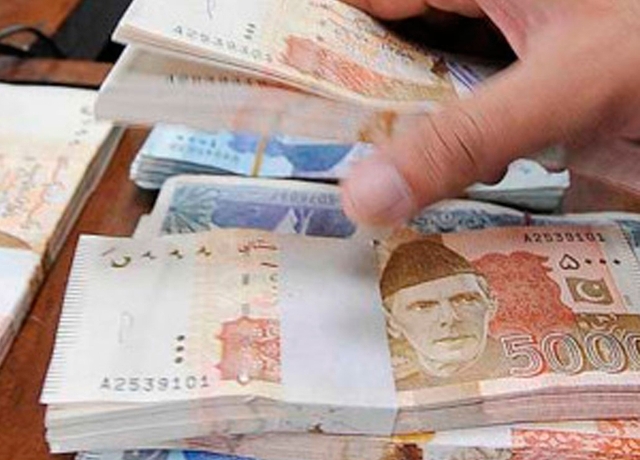
ISLAMABAD: Pakistan has repaid more than Rs3,650 billion in debt ahead of schedule for the first time in its history, while a virtual investor roadshow drew unprecedented participation from global asset managers, signalling renewed confidence in the country’s economic reforms, an advisor to the finance minister said.
Khurram Schehzad, advisor to Federal Finance Minister Muhammad Aurangzeb, described the early debt retirements as a landmark achievement reflecting a shift toward fiscal discipline and responsible economic management. In a series of posts on social media platform X, Schehzad detailed how the Ministry of Finance had retired Rs3,654 billion in domestic debt owed to the market and the State Bank of Pakistan (SBP) over the past 14 months.
The repayments began in late 2024 and included tranches of Rs1,000 billion in December 2024, Rs500 billion in June 2025, Rs1,160 billion in August 2025, Rs200 billion in October 2025, Rs494 billion in December 2025, and Rs300 billion in January 2026.
Schehzad noted that in the current fiscal year 2026, which runs from July to June, Pakistan had already retired more than Rs2,150 billion in debt through January, a 44 percent increase over the previous fiscal year’s total. The early retirements have slashed central bank debt by nearly 44 percent, reducing it from about Rs5,500 billion to around Rs3,000 billion , with some obligations originally due in 2029 paid off years ahead.
Of the total early repayments, 65 percent involved SBP debt, 30 percent Treasury bills, and 5 percent Pakistan Investment Bonds. Total public debt has declined from over Rs80.5 trillion in June 2025 to Rs80 trillion in November 2025, while the debt-to-GDP ratio has fallen from around 74 percent in fiscal year 2022 to about 70 percent, according to Schehzad.
The early repayments have reduced refinancing and rollover risks, lowered borrowing costs through switches to cheaper instruments, and created fiscal space for development and social spending, he said. Average domestic debt maturity has improved from 2.7 years in fiscal year 2024 to over 4.0 years, marking the sharpest single-year gain on record.
Schehzad estimated savings of more than 850 billion rupees in fiscal year 2025 and another Rs800 billion expected in fiscal year 2026 from debt switches, stable rates, and continued discipline. “This is more than debt repayment – it is a fundamental reset,” Schehzad said, adding that Pakistan was breaking from decades of debt-heavy practices to prioritise repayment, risk reduction, and sustainability.
Separately, Schehzad highlighted a virtual investor roadshow organised by Standard Chartered Bank in collaboration with the Debt Management Office and the Ministry of Finance and Revenue as a historic engagement. The event attracted 225 investors, making it one of the largest, most diverse, and institutionally weighted interactions Pakistan has seen in recent years, he said.
It was the first time such a broad set of real-money global investors had engaged in a single curated forum at this scale. Led by Finance Minister Aurangzeb and his team, the roadshow presented Pakistan’s investment story, focusing on macroeconomic stability, structural reforms, external validation, and an improving outlook, while outlining plans for external market funding through forthcoming requests for proposals.
Participants included foreign institutional investors, global asset managers, pension funds, insurers, sovereign-linked entities, corporates, high-net-worth individuals, and multilateral institutions. Investors joined from North America, Europe, the Middle East, and Asia-Pacific, with some of the world’s largest asset managers representing over $35 trillion in assets under management.
Schehzad said the participation reflected a shift in investor perception, driven by progress in macro stabilisation, including declining inflation, strengthened fiscal discipline, improved external balances, and stabilised foreign exchange markets.
Reforms in tax modernisation, energy sector restructuring, state-owned enterprise changes, regulatory simplification, and digitisation were advancing from intent to implementation. External validation from the International Monetary Fund program, multilateral re-engagement, and improved buffers were bolstering credibility, while valuations remained compelling, offering upside as reforms deepen.
The roadshow’s scale and quality, particularly from selective institutions, marked a breakthrough in Pakistan’s investor outreach, signaling the country was back on the radar of serious global allocators with growing conviction in a reform-led recovery.
Copyright © 2021 Independent Pakistan | All rights reserved