By Staff Reporter
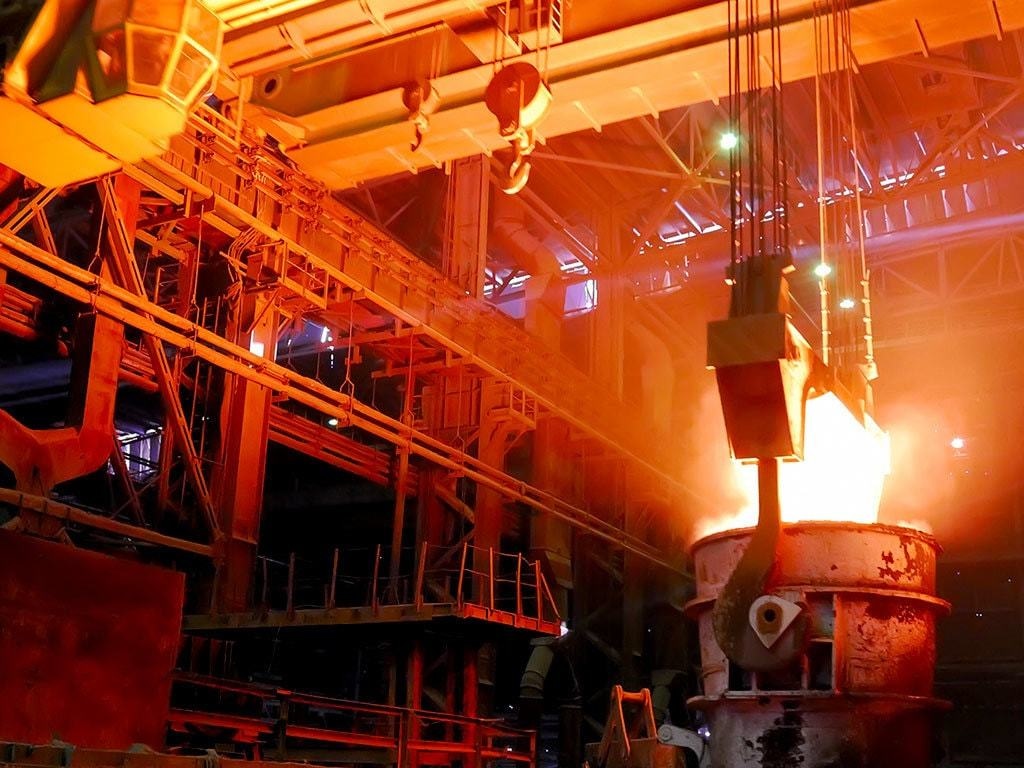
ISLAMABAD: The government has submitted its first National Industrial Policy to the federal cabinet for approval, laying out a series of obstacles to industrial expansion and offering reforms aimed at rejuvenating the manufacturing sector.
But the Ministry of Finance has directed the Ministry of Industries and Production to obtain clearance from the International Monetary Fund for the proposed incentives before proceeding. A meeting is anticipated later this month between IMF representatives and a delegation headed by Haroon Akhtar Khan, the special assistant to the prime minister on industries and production. The discussions will focus on the annual fiscal costs of incentives targeted at various sectors.
The policy sets ambitious goals: achieving $60 billion in exports by 2030, alongside an annual GDP growth rate of 6 percent and manufacturing growth of 8 percent by the end of the decade. It is designed to chart a course toward greater industrial competitiveness, job creation and broader export opportunities. At the heart of the document are deep-seated structural and policy challenges that have long hampered industrial progress. These include macroeconomic instability, unpredictable policies, high costs for industrial land, burdensome regulations, inconsistent and pricey electricity supplies, and restricted access to long-term financing.
Local industries grapple with elevated borrowing costs and scant entry to capital markets, according to the ministry. Compounding this are frail protections for investors and an insufficient framework for handling insolvencies, which have discouraged banks from extending credit and left them with limited options for restructuring troubled loans. Taxation disparities across sectors further tilt the playing field against manufacturing, the policy asserts. While industrial operations shoulder a disproportionate tax load, areas like real estate, construction, wholesale and retail trade are undertaxed, diminishing the appeal of manufacturing investments.
Foreign exchange hurdles add another layer of difficulty, with manufacturers often facing delays in securing dollars needed for raw material imports. In certain instances, foreign investors encounter barriers to repatriating profits, which has chilled interest in direct investment from abroad. The policy underscores deficiencies in standards compliance that undermine export potential, advocating for overhauls to bolster product quality and certification processes. It also emphasises the imperative of fostering inclusive industrialisation, pointing out that women are mostly sidelined from entrepreneurial and managerial roles in the sector.
“Women remain at the periphery and suffer from a sense of not belonging. This needs to change, and more women industrialists must be promoted,” the document states. To address these issues, the policy advocates for a stable and transparent tax system aligned with reforms supported by the IMF. It urges expanding the tax base and mandating that all sectors pay taxes in line with their contributions to GDP value-added.
A review and streamlining of the corporate income tax, now at 29 percent — above the regional average of 26 percent — is proposed to enhance export viability. The super tax, imposed on top of the corporate rate, should likewise be reevaluated to lighten the strain on industries, the policy recommends. On the structural front, the plan calls for establishing a National Industrial Revival Commission to guide the rehabilitation of ailing companies and harmonise regulatory assistance. It also pushes for bolstering intellectual property rights by joining the Patent Cooperation Treaty and building up the enforcement capabilities of the Intellectual Property Organisation of Pakistan to combat counterfeiting and piracy. Lowering port fees, especially those charged by the Karachi Port Trust and Port Qasim Authority — which rank among the world’s steepest — is highlighted as a key step to sharpen export edges. Officials indicated that, upon cabinet approval, the policy would act as a blueprint for industrial overhaul, emphasising better governance, fiscal restraint and a supportive climate for private capital. Yet its rollout hinges on the IMF’s approval of the incentive measures, in light of Pakistan’s obligations under its current economic stabilisation program.
Copyright © 2021 Independent Pakistan | All rights reserved