By Staff Reporter
ISLAMABAD: Pakistan cut the price of diesel by the widest margin in months on Wednesday, delivering relief to a transport and power sector squeezed by months of war-driven volatility in Middle East energy markets, even as petrol costs edged higher for consumers.
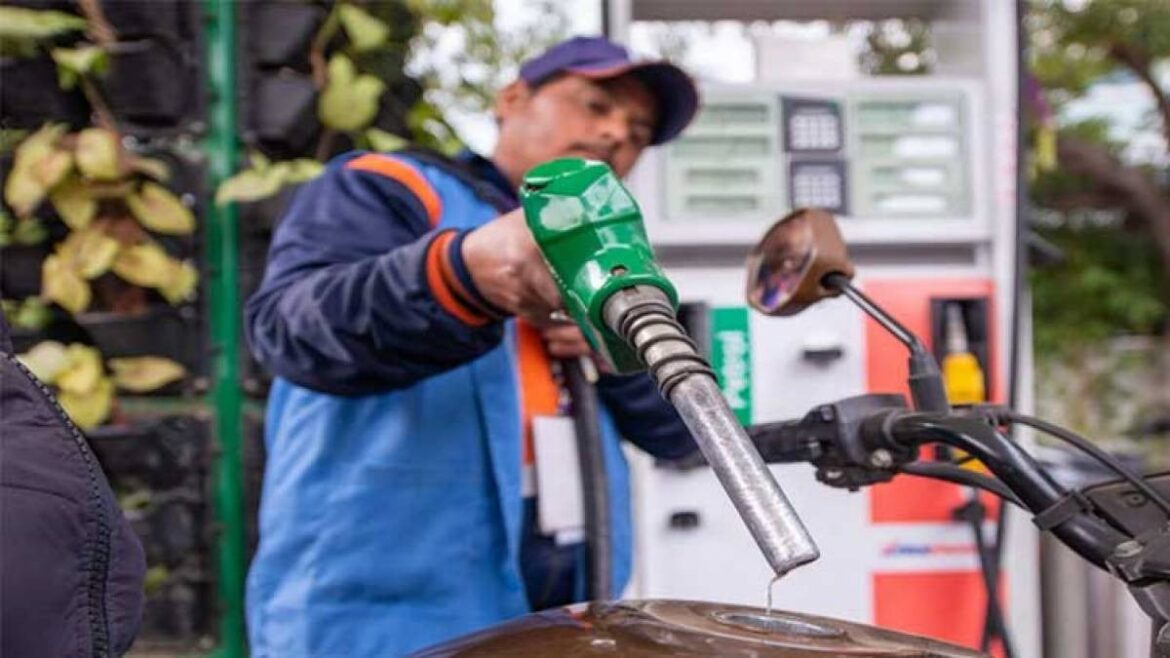
The Petroleum Division ordered high-speed diesel down 32.63 rupees a liter to 363.06 rupees, effective Thursday, according to a notification from the regulator. Petrol will rise 2.97 rupees to 337.51 rupees a liter over the same period. The government continues to collect 114 rupees per liter in taxes and duties on petrol and 100 rupees on diesel, keeping the levies largely intact even as underlying prices swing.
The diesel cut followed talks between Islamabad and domestic refiners aimed at easing costs for an economy where the fuel underpins power generation and freight. Petroleum Minister Ali Pervaiz Malik said Prime Minister Shehbaz Sharif had personally appealed to refinery operators to grant relief, and that the companies had agreed to support the government’s push for lower diesel prices.
Malik said he would travel to Karachi to thank the refineries directly and to negotiate on longer-standing issues, including plant upgrades that have gone unaddressed for seven to eight decades.
Wednesday’s adjustment marks a sharp reversal from the trajectory diesel has followed since fighting between the U.S. and Iran erupted on February 28. The fuel’s price surged from 281 rupees a liter to a peak of 520.35 rupees on April 3, before beginning to ease. Petrol followed a similar arc, climbing from 266 rupees in early March to a high of 458.41 rupees on April 3.
Malik attributed diesel’s persistent strength globally to widening refining margins, saying the crack spread—the gap between crude and refined product prices—had climbed back to $60 to $70 a barrel. He said supply disruptions tied to the war in Russia had compounded the pressure, leaving even a crude-producing nation struggling to secure adequate diesel.
The government has shifted to daily fuel-price adjustments, abandoning the weekly revision schedule it had maintained since early March, Malik said. The change reflects the volatility gripping international oil markets since hostilities resumed between Iran and the U.S. The cabinet and prime minister have handed the Oil and Gas Regulatory Authority responsibility for setting prices daily based on global market movements, according to Malik.
Islamabad introduced targeted relief measures in April to subsidize fuel costs for consumers, part of a broader response to the price shock that included conservation appeals amid fears of supply disruptions from the Middle East conflict.
Petrol and diesel dominate Pakistan’s fuel market, with combined monthly sales of roughly 700,000 to 800,000 tons, dwarfing kerosene’s monthly demand of about 10,000 tons. Petrol pricing carries outsized political weight because it powers the motorcycles, rickshaws and small vehicles relied on by middle- and lower-income households. Diesel, by contrast, moves the trucks, power plants and industrial generators that underpin broader economic activity.
Malik defended the government’s handling of the months-long price increases, rejecting suggestions that authorities had neglected the public. He described Ogra as a state institution balancing consumer protection with the government’s fiscal needs.
The minister signaled a broader push to overhaul Pakistan’s energy infrastructure, framing refinery upgrades and new crude-supply arrangements with allied nations as central to the prime minister’s agenda.
“Over the next few days, under the prime minister’s leadership, we will undertake work that has not been done in 70 years to strengthen the state of Pakistan,” Malik said. “We will upgrade refineries and, in collaboration with friendly countries, operationalize schemes to secure crude oil supplies within our borders. We will address Pakistan’s energy security vulnerabilities permanently for future generations.”
Copyright © 2021 Independent Pakistan | All rights reserved