By Staff Reporter
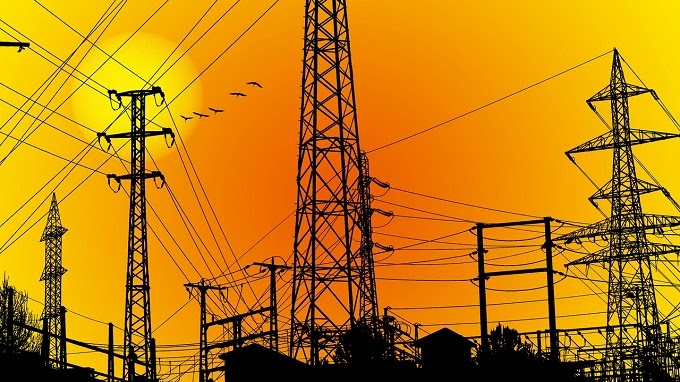
ISLAMABAD: The government slashed electricity rates for industries and agriculture by about Rs15 per unit on excess consumption, aiming to spur production and ease operating costs amid broader pressures on energy prices.
The National Electric Power Regulatory Authority approved the reduction on Tuesday, setting the charge for additional units at Rs22.98 per kilowatt-hour for both sectors, down from Rs34 for industrial users and Rs38 for agricultural ones, according to a notification from the regulator.
The cuts apply to consumption above levels from the previous year and form part of a three-year package announced by Prime Minister Shehbaz Sharif in October. They’re designed to lower average power costs without affecting residential or commercial customers. “This major relief measure will lower the average cost of purchased electricity for consumers in both sectors,” the Power Division said in a statement. “With these revised rates, agricultural consumers using an additional 100 units will see a reduction of approximately Rs7 per unit in their average electricity cost. Similarly, industrial consumers using an additional 1,000 units will experience a decrease of nearly Rs5 per unit.”
The move reflects Islamabad’s push to revive economic growth by supporting key sectors that have grappled with high energy expenses, which account for a significant portion of operational budgets. Industrial tariffs are often adjusted via tax filings, but upfront costs remain a drag on cash flow.
Federal Minister for Power Awais Leghari hailed the decision as a boost for planning and investment. “The [relief] package will promote production activities and provide additional employment opportunities,” he said. Noting the package’s three-year horizon, Leghari added that it would enable the industrial sector to plan its future operations “with greater confidence and stability.” He said greenfield industries, including data centers and crypto-mining operations, would also benefit from the revised tariff structure.
The Power Division has begun implementing the changes, which it said won’t impact domestic or commercial bills. “This package, designed to stimulate industrial and agricultural activity, is expected to significantly boost production, enhance competitiveness, and create new employment opportunities across the country,” the division said. The decrease was expected to encourage higher production and stimulate economic activity, it added. “These steps reflect the government’s commitment to fulfilling its promises to the public and ensuring that power tariffs become more affordable and growth-oriented. The federal government expresses confidence that this initiative will contribute to economic revitalisation and provide relief to key productive sectors of the country.”
The relief comes against a backdrop of potential tariff increases elsewhere. Last month, the Central Power Purchasing Agency proposed raising the national power purchase price for fiscal year 2026 to between Rs25.69 and Rs26.69 per unit, a benchmark that influences consumer rates nationwide. That could push energy costs higher for households and businesses if approved by Nepra.
Pakistan’s economy has faced persistent challenges from elevated power prices, driven by reliance on imported fuels and inefficiencies in the grid. The government had been preparing the subsidy package since at least October, as reported by local media, to offset those burdens for export-oriented industries and farming. Energy costs have been a flashpoint for manufacturers, who argue that uncompetitive rates hinder exports and job creation. Agriculture, a pillar of the economy employing about 40% of the workforce, has similarly called for relief to modernise irrigation and processing. Nepra’s approval aligns with the government’s stated goal “to ease the cost of doing business and support economic growth,” the regulator said in its decision. The Power Division emphasized that the industrial support package would not affect residential or commercial consumers “in any way.”
Copyright © 2021 Independent Pakistan | All rights reserved