By Staff Reporter
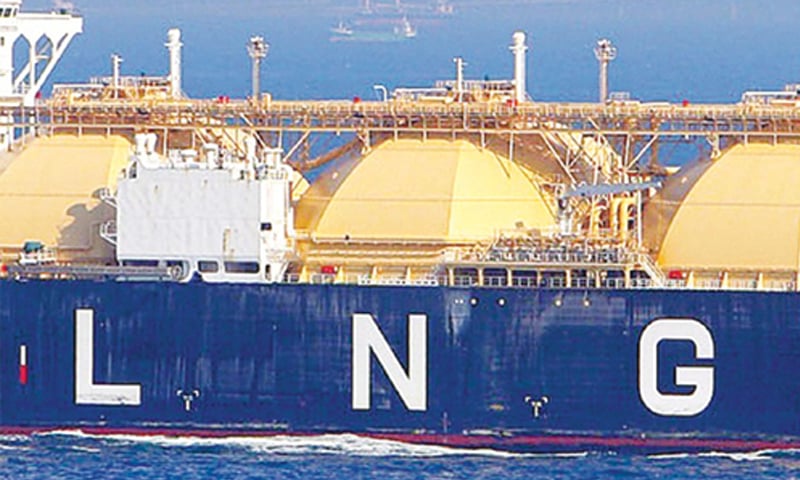
ISLAMABAD: Pakistan on Thursday rejected the two lowest offers for emergency liquefied natural gas cargoes, spurning bids priced at $17.28 per million British thermal units from BP Singapore and $16.98 from TotalEnergies SE for deliveries later this month.
The state-owned importer Pakistan LNG Ltd. received seven bids in total after floating urgent tenders with just 36 hours’ notice on Wednesday. Three offers were for a cargo due May 12-14 and four for May 24-26, as rising temperatures and a widening power shortfall forced authorities to scramble for supplies.
For the earlier window, PetroChina International Co. bid $17.69 per mmBtu, BP Singapore $17.28 and Vitol Bahrain $17.84. The later cargo drew offers from TotalEnergies at $16.98, OQ Trading Ltd. at $18.58, SOCAR Trading at $17.21 and PetroChina International at $17.49.
The tenders were issued in the expectation that the Gulf crisis would ease and the Strait of Hormuz would reopen. LNG imports into Pakistan halted in March after the waterway was closed following US and Israeli attacks on Iran. Tehran’s retaliation included strikes on fuel installations in neighboring countries, including Qatar, Saudi Arabia, the United Arab Emirates and Kuwait. Qatar, Pakistan’s long-term supplier, subsequently declared force majeure on all its global LNG contracts, including those with Pakistan.
Three Qatar cargoes already loaded for Pakistan were forced to turn back from the strait for security reasons, and the Gulf supplier has been reluctant to dispatch further shipments while the route remains blocked.
Pakistan LNG last month rejected two bids for the same delivery windows while accepting one at $18.40 per mmBtu after securing relatively cheaper offers. The company imported no cargoes in April. Its most recent delivery came several months earlier at about $7.65 per mmBtu through an older contract with a private counterparty.
The utility, established almost a decade ago specifically to handle LNG imports, has gone more than a year without securing new supplies despite hefty compensation and perks for its executives and board. Its last tender, issued in December 2023 for January 2024 delivery, was later canceled.
The Power Division, facing criticism over load-shedding even before the peak of summer, last week directed the Petroleum Division to arrange around 400 million cubic feet per day of LNG for electricity generation in the hope that international supply routes would reopen.
Separately, the Oil and Gas Regulatory Authority in April approved a 19-22% increase in the price of regasified LNG sold at the distribution stage by the two Sui gas companies, lifting the rate to $12.50-$14 per mmBtu. The adjustment stemmed mainly from higher terminal charges caused by lower import volumes, along with a modest rise in purchase prices, according to Ogra data.
The March basket price was calculated on just two cargoes, compared with eight each in February and March, after Qatar invoked force majeure. Those two shipments were delivered under long-term contracts between Pakistan State Oil and QatarGas at an average of about $7.68 per mmBtu on a delivered ex-ship basis, versus $7.45 the previous month and $8.90 in March 2025.
SBP Extends Relaxed Oil Import Rules
Meanwhile, the central bank has extended a temporary relaxation allowing importers to buy crude oil and petroleum products on a cost-insurance-freight basis until July 10, giving refiners and oil-marketing companies more time to secure supplies from volatile global markets without shouldering the full transport risk.
The State Bank of Pakistan said in a notification issued Thursday that it had decided to prolong the validity of an earlier circular, EPD Circular Letter No. 04 of March 11, “for import of crude oil/petroleum products on CIF (cost, insurance and freight) basis up to July 10, 2026.” The original 60-day window had been due to expire this week.
The move comes as local insurers continue to balk at covering shipments amid ongoing conflict in the Middle East, which has sharply raised the cost and perceived risk of moving oil through the Strait of Hormuz — the chokepoint that carries roughly 20% of global seaborne petroleum.
An official at the Oil Companies Advisory Council, speaking on condition of anonymity, said the central bank’s initial decision in March was a direct response to local insurance companies refusing to underwrite imports after international reinsurers pulled back. “Importing oil via one ship used to cost somewhere $30-50 million,” the official said.
Under the CIF terms, international suppliers deliver the cargo on their own vessels and arrange insurance through global underwriters, effectively shifting the transit risk away from Pakistani buyers. Previously, local companies chartered ships themselves and insured the shipments through domestic insurers on a free-on-board or cost-and-freight basis, leaving them exposed to any disruption or loss en route.
Najib Balagamwala, an executive in Pakistan’s shipping and trading industry, said the CIF arrangement offered meaningful savings even before the latest escalation. “The import of petroleum products on CIF basis was costing some 3-5% lower compared to through FoB and C&F basis in peaceful days,” he said. International insurance premiums and freight rates secured by global suppliers remain substantially cheaper than those available to local buyers, he added.
The financial strain on Pakistan’s energy imports has grown sharply since the Middle East conflict intensified. Weekly oil-import costs have climbed to about $800 million during the current tensions, compared with roughly $300 million before the latest flare-up began on Feb. 28, according to industry figures.
The extension buys time for Pakistan’s oil sector as it navigates higher global prices, tighter insurance markets and the persistent threat of supply-chain disruption through the Gulf. The country relies almost entirely on imported crude and refined products to meet domestic demand, making the central bank’s continued facilitation of CIF purchases a key plank in efforts to keep fuel flowing without further straining foreign-exchange reserves or local balance sheets.
The State Bank’s notification did not specify whether additional extensions would be considered beyond July 10, nor did it detail any changes to the underlying terms of the relaxation.
Copyright © 2021 Independent Pakistan | All rights reserved