By Staff Reporter
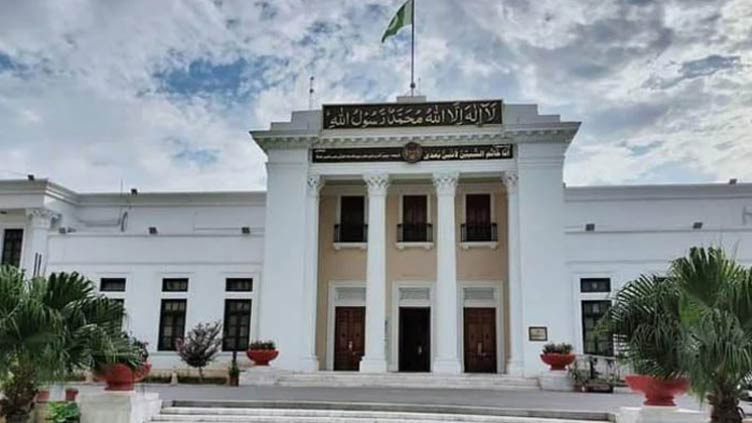
ISLAMABAD: A high court on Thursday lifted a stay order that had blocked the swearing-in of lawmakers on reserved seats in the Khyber Pakhtunkhwa Assembly, significantly bolstering the opposition’s presence in the provincial legislature.
The Peshawar High Court’s decision ends a months-long legal dispute, nearly doubling the opposition’s numbers and reshaping the political balance in a chamber long dominated by the Pakistan Tehreek-e-Insaf (PTI) party of former prime minister Imran Khan.
The ruling overturns a July 1 injunction sought by the Pakistan Tehreek-i-Insaf Parliamentarians (PTI-P), a splinter faction led by former provincial chief minister Pervez Khattak. That order had stalled the oath-taking of lawmakers elected to seats reserved for women and non-Muslims, which are distributed under Pakistan’s proportional representation system based on each party’s share of general seats.
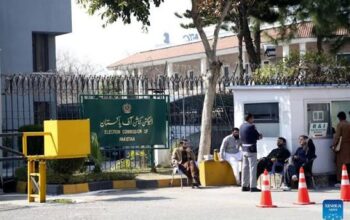
The decision emerged from a heated session before a two-member bench, Justices Syed Arshad Ali and Dr. Khurshid Iqbal, which reviewed petitions from the PTI-P and the Awami National Party (ANP). Both parties contested the Election Commission of Pakistan’s (ECP) March 4 notifications listing candidates for the assembly’s 26 women’s seats and four non-Muslim seats.
The PTI-P and ANP argued they deserved three women’s seats and one non-Muslim seat each, rather than the single women’s seat apiece they were granted.
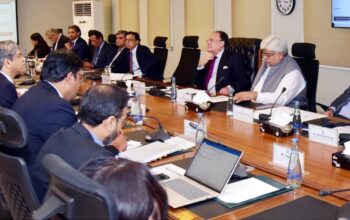
ECP Special Secretary Mohammad Arshad told the court that the PTI-P’s earlier plea on the same issue had been rejected by the commission and was under review in the Islamabad High Court. When pressed by the bench, PTI-P counsel Advocate Sultan Mohammad Khan admitted the overlap, citing confusion by the party’s parliamentary leader, Arbab Mohammad Waseem. After a brief recess, Khan withdrew the petition, prompting the justices to lift the stay.
The ANP, holding two general seats, insisted it was entitled to three women’s seats and one non-Muslim seat. Advocate Babar Khan Yousafzai, representing the party, rooted the claim in the proportional representation framework. But the ECP’s Arshad countered that allocations hinge on general election results, not by-elections.
He noted the ANP’s single seat from the February 8, 2024, vote, with its second won later, warning that factoring in by-elections “would result in complications and disrupt the existing process.” The bench directed the ECP to resolve the ANP’s plea within 10 days.
Thursday’s ruling clears the way for 25 opposition lawmakers, 21 women and four non-Muslims, to join the 120-member assembly, boosting the opposition from 27 to 52 seats. This shift challenges the PTI’s grip on the province it has governed since 2018.
The decision follows a similar ECP move on Wednesday, when reserved seats were distributed in the Punjab and Sindh assemblies, benefiting all major parties except the PTI.
Last year, the ECP allocated the reserved seats as follows: 10 women’s seats to the Jamiat Ulema-e-Islam-Fazl (JUI-F), eight to the Pakistan Muslim League-Nawaz (PML-N), six to the Pakistan Peoples Party (PPP), and one each to the ANP and PTI-P. Non-Muslim seats went two to the JUI-F, and one each to the PML-N and PPP.
The dispute traces back to a Constitutional Bench ruling last month that barred the PTI from claiming reserved seats nationwide, reinstating the ECP’s March notifications and confirming the 25 opposition lawmakers’ elections in Khyber Pakhtunkhwa. With the stay lifted, their swearing-in could amplify criticism of the PTI-led government on issues like governance and the economy.
Copyright © 2021 Independent Pakistan | All rights reserved