Staff Reporter
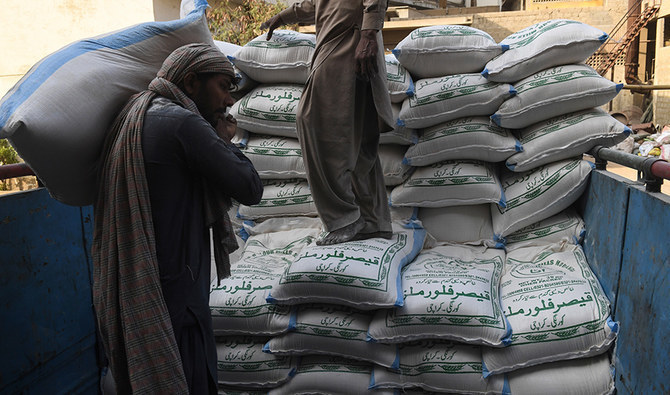
ISLAMABAD: An unannounced restriction on the interprovincial movement of wheat from Punjab, the country’s agricultural heartland, has triggered a flour shortage and sent prices soaring in other provinces, igniting a fierce debate over constitutional rights, market deregulation, and food security.
The move, which Punjab officials describe as a temporary measure to curb “unusual” wheat movement, has drawn sharp condemnation from politicians, flour millers, and market analysts who argue it violates the spirit of a free market and threatens national unity.
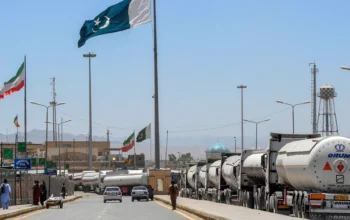
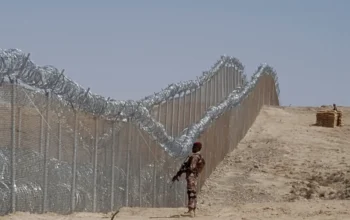
The restrictions, implemented through checkpoints at Punjab’s provincial borders, have disrupted the supply chain to provinces like Khyber Pakhtunkhwa (KP) and Sindh, which rely heavily on Punjab’s abundant wheat production.
The All-Pakistan Flour Mills Association (PFMA) has labeled the policy unconstitutional, citing Article 151 of Pakistan’s Constitution, which guarantees the freedom of trade and commerce across the country.
Riazullah Khan, chairman of the Punjab Flour Mills Association, said the checkpoints are effectively blocking the transport of wheat and flour to other regions. “These actions run counter to the deregulation policy, which promised unrestricted trade and movement of wheat,” Khan said, referring to a recent agreement aimed at fostering a free market for the staple crop.
The impact has been stark. In KP, the price of a 20-kilogram bag of flour has surged to as much as Rs2,800, compared to about Rs1,800 in Punjab, placing a crushing burden on low-income families already grappling with rampant food inflation.
KP Governor Faisal Karim Kundi has publicly condemned the restrictions, calling them a “blatant violation of Article 151” and a “serious breach of national unity.” The KP Assembly echoed this sentiment, passing a unanimous resolution denouncing Punjab’s policy and highlighting a 68 percent hike in flour prices in the province.
The wheat crisis is not new but part of a recurring pattern tied to supply disruptions, often triggered by natural disasters like floods or low production due to inadequate farm inputs such as urea and DAP fertilizers. Similar shortages plagued Pakistan in 2020, 2022, and 2023, exposing the fragility of the country’s wheat market. The current crisis has been exacerbated by Punjab’s shift away from its traditional role of procuring and stocking over 4 million tons of wheat each harvest to stabilize prices and ensure year-round supply.
Under international agreements, Punjab has largely withdrawn from this role, leaving the market to private players. However, the province’s decision to impose restrictions to prevent hoarding and smuggling has backfired, critics say, creating artificial shortages and driving up prices nationwide.
Punjab officials defend the measures, arguing they are necessary to ensure food security within the province. They point to the National Finance Commission award, which assigns each province responsibility for its own food security, and insist that preventing wheat from being diverted to feed mills or sold at inflated prices in other provinces is critical for local consumers.
Millers and market analysts, however, warn that the restrictions are counterproductive. The Pakistan Institute of Development Economics (PIDE) has long advocated for a fully deregulated wheat market, arguing that interprovincial bans foster inefficiency and corruption.
Majid Abdullah, president of the Progressive Flour Millers Group, cautioned that continued administrative interference in the so-called deregulated market could deter private investment in the wheat sector. “If these measures persist, the private sector will be reluctant to invest in the wheat sector next season,” Abdullah said. “This could force the government to import grain at much higher rates than what is available locally.”
He noted the irony of Punjab authorities previously encouraging private investment, even offering bank loans for purchasing large quantities of grain during harvest season, only to impose restrictions that undermine those efforts.
Abdullah also highlighted the lack of legal safeguards for deregulation, warning that without a consistent policy backed by legislation, the process remains vulnerable to reversal by future governments. “Stability of the market needs a consistent, thorough policy protected by a proper piece of legislation,” he said.
The restrictions are also affecting farmers, who face declining incentives to grow wheat. With the government prioritizing stable consumer prices, farmers may opt for other crops in the upcoming sowing season if they cannot secure fair prices for their wheat.
Abdullah warned that such a shift could lead to a significant drop in domestic production, forcing Pakistan to rely on costly imports. “Farmers are already hesitant after failing to get good prices for their produce in the last two seasons,” he said.
Copyright © 2021 Independent Pakistan | All rights reserved