By Staff Reporter
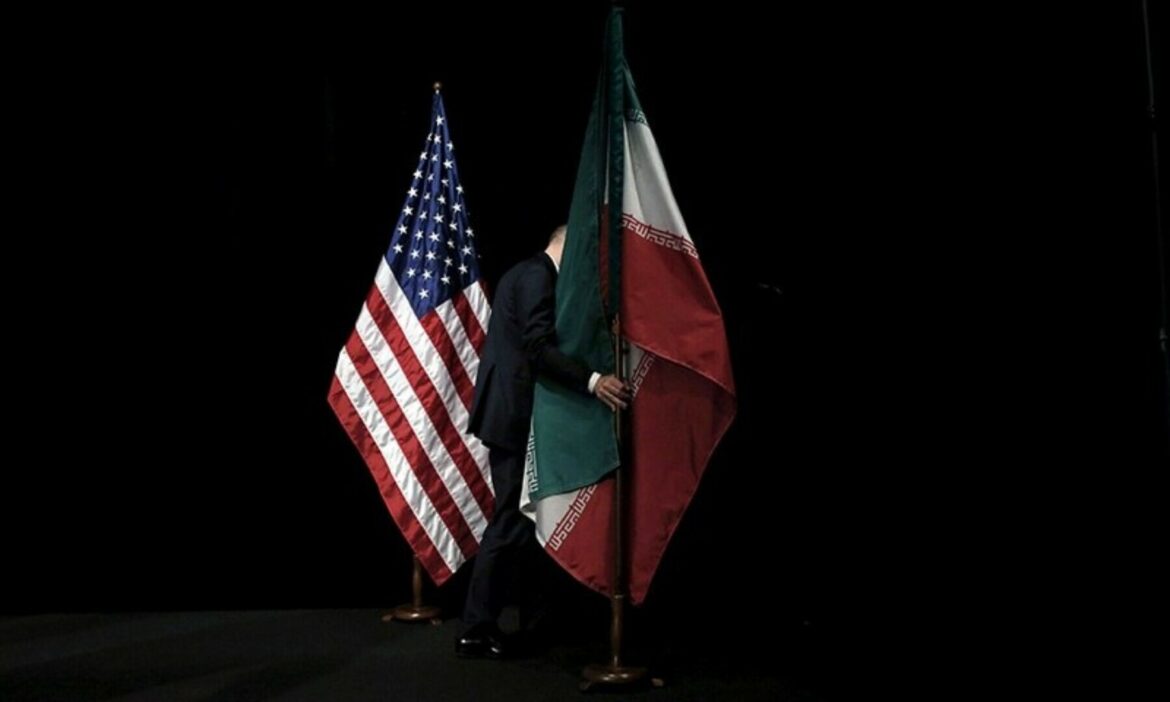
ISLAMABAD: A new round of in-person negotiations between the United States and Iran could be held as early as this week, multiple people familiar with the discussions said Tuesday, days after the highest-level direct talks between the two countries in nearly five decades collapsed without a breakthrough.
The potential resumption comes amid a precarious two-week ceasefire that took effect April 8 and is set to expire April 22. Even as US forces began enforcing a naval blockade barring ships from entering or exiting Iranian ports, both Vice President JD Vance and President Donald Trump signaled Monday that the path to a broader agreement remained open — provided Tehran took what they described as the next decisive step.
The weekend marathon in Islamabad, mediated by Pakistan, marked the most senior face-to-face engagement between Washington and Tehran since the 1979 Islamic Revolution. It stretched more than 20 hours but ended Sunday with no agreement on core disputes, chief among them Iran’s nuclear program and control of the Strait of Hormuz, the narrow waterway through which roughly one-fifth of global oil trade passes.
Opening the strait for unrestricted shipping has emerged as a central impasse. Iran’s nuclear activities represent another. During the talks, the United States pressed Iran to accept a 20-year suspension of uranium enrichment. Tehran countered with an offer of three to five years, a position President Trump has already rejected as insufficient. The US also demanded that Iran remove its stockpile of highly enriched uranium from the country. Iran instead proposed a “monitored process of down-blending,” in which the material is mixed with natural or lower-enriched uranium to reduce its potency.
A US official, speaking to NBC News, described continued engagement and “forward motion” toward an eventual agreement despite the impasse. The White House carries heavy political stakes in the outcome. Public polls have shown growing American fatigue with the conflict as inflation persists and gasoline prices climb. With midterm elections approaching in November, Republican strategists are focused on protecting their narrow majority in the House and their edge in the Senate.
In a Fox News interview on Monday, Vance described the Islamabad sessions as containing “some good conversations” but said Iran had not moved far enough. “The ball really is in their court,” he said, adding that Washington had presented its “final and best offer.” He emphasised two non-negotiable US demands: removal of enriched material from Iran and “conclusive commitment” backed by verification mechanisms to prevent development of a nuclear weapon. “We must have the enriched material out of Iran,” Vance said. “We must have their conclusive commitment to not develop a nuclear weapon.” With the possibility of fresh talks, Vance said, “if the Iranians are willing to meet us there, then this can be a very, very good deal for both countries. If they’re not willing to meet us there, that’s up to them.” Russia has offered to hold Iran’s enriched uranium stockpile as part of any eventual deal, according to Iranian state media.
The International Atomic Energy Agency, the UN nuclear watchdog, estimates that Iran possesses nearly 1,000 pounds of highly enriched uranium — enough, in theory, for roughly 11 nuclear weapons. Iranian authorities maintain that the material remains buried underground following US airstrikes on enrichment facilities last year and insist the program is entirely peaceful.
President Trump, speaking to reporters outside the Oval Office on Monday, struck a more optimistic note. “I can tell you that we’ve been called by the other side,” he said. “They’d like to make a deal. Very badly, very badly.” A day earlier he had professed indifference to whether Iran returned to the table.
Iranian officials have pushed back sharply. In a phone call with French President Emmanuel Macron, Iranian President Masoud Pezeshkian said Tehran would continue talks only “within the framework of international law” and would adhere to the terms of the existing ceasefire. Foreign Minister Abbas Araghchi, in a conversation with his Saudi counterpart, blamed the impasse on “continued excessive demands of the American side.” Iranian officials said that no official confirmation had been received on meeting, but messages continued to flow through Pakistani channels.
Tehran has also condemned the US blockade as “piracy” and warned that any strike on its ports could prompt retaliation against facilities across the Gulf. Despite the rhetoric, the ceasefire itself has so far held, though it is widely viewed as increasingly fragile.
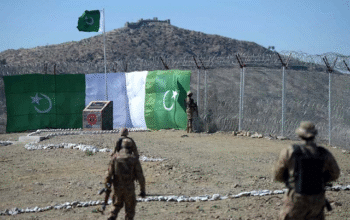
Pakistan, which hosted the first round, moved quickly to keep momentum alive. Prime Minister Shehbaz Sharif told his cabinet on Monday that “full efforts” were underway to resolve remaining issues. Multiple Pakistani officials, speaking to Reuters and AFP, said Islamabad had received positive responses from both sides about a possible second round. Delegations were said to be keeping Friday through Sunday open, though no firm date has been set and logistical preparations — which were extensive before the weekend sessions — have not yet materialised. A Pakistani official familiar with security arrangements noted that the absence of visible planning suggested any new meeting, if it occurs, could be arranged on short notice or might take longer to organise.
Copyright © 2021 Independent Pakistan | All rights reserved