By Staff Reporter
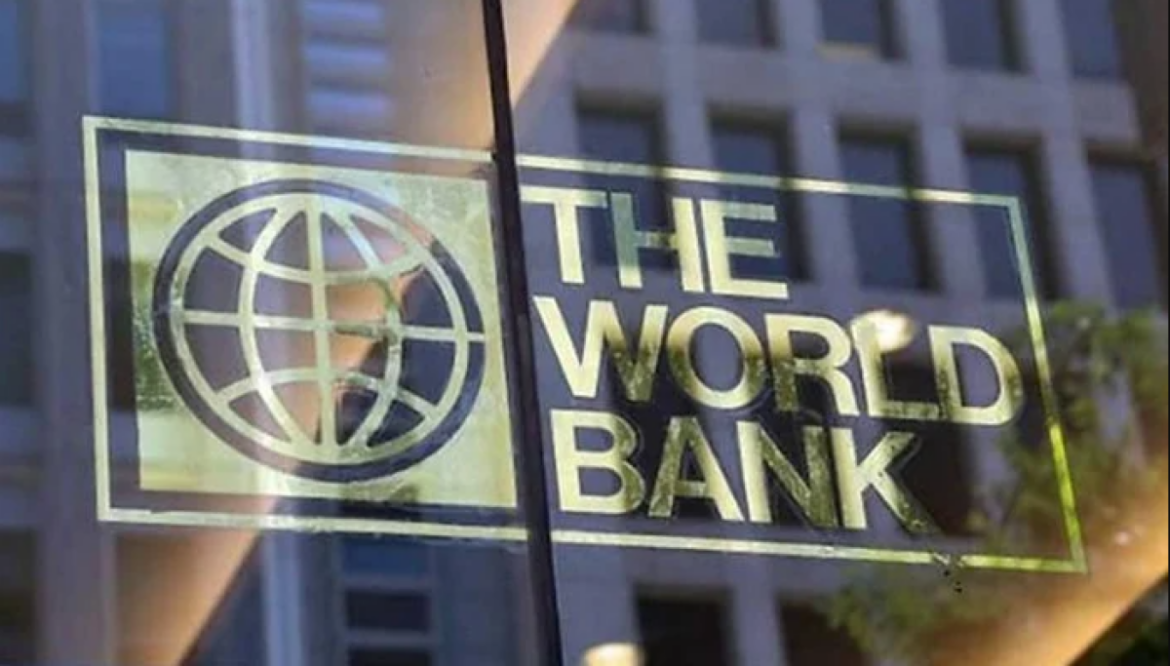
ISLAMABAD: The World Bank has approved $375.9 million in financing to help Pakistan modernise its national power transmission network, the lender said on Friday, the first tranche of a decade-long programme aimed at easing chronic outages and expanding the use of clean energy.
The funding, approved by the bank’s Board of Executive Directors, will support Pakistan’s Grid Stability Enhancement Project, implemented under a broader initiative known as Boosting Energy Security through Transmission in Pakistan, or BEST-PAK, the World Bank said in a statement.
The project marks the first phase of a 10-year programme intended to overhaul the South Asian nation’s transmission infrastructure, cut power outages and channel more renewable energy to homes, businesses and industries, according to the statement.
Pakistan’s power grid has long been hobbled by instability and transmission bottlenecks that curb the delivery of reliable electricity and leave clean energy generation underused, the bank said, adding that the shortfalls have hit millions of Pakistanis through frequent blackouts, elevated electricity costs and lost economic activity.
“Pakistan’s energy challenges are deeply interconnected with its broader economic stability,” World Bank Country Director Bolormaa Amgaabazar said in the statement.
Investment in more resilient transmission infrastructure would help lower electricity costs, bring more renewable power onto the grid, and set the stage for a power sector that better serves households, businesses and the wider economy, she said.
Under the project, advanced equipment will be installed to stabilise the transmission grid and improve electricity flow at key substations, the bank said. The upgrades are expected to unlock 640 megawatts of currently curtailed wind power, allowing full use of 1,840 MW of wind capacity in southern Pakistan by routing electricity to major demand centres.
The improvements will also help integrate roughly 491 MW of planned renewable energy projects led by the private sector, the statement said.
Together, the measures are meant to advance Pakistan’s target of sourcing 60% of its electricity mix from renewable sources by 2030, a commitment made under the Paris Agreement on climate change, the bank said.
Over the project’s lifetime, the initiative is expected to avert around 832,500 tonnes of carbon dioxide emissions a year, or more than 20.8 million tonnes over 25 years, according to the statement.
“A reliable and modern transmission grid is essential for Pakistan’s energy future,” said Waleed Saleh Alsuraih, the World Bank’s lead energy specialist for the BEST-PAK programme in Pakistan.
He said the first phase of the programme would open a pathway to large-scale clean energy deployment, stronger energy security and a more commercially oriented transmission sector, through targeted infrastructure investment and institutional reform, while also laying the groundwork for greater participation by private capital.
The project is also designed to support the government’s ongoing overhaul of the transmission sector, centred on restructuring the state-run National Transmission and Dispatch Company into specialised successor entities, the bank said.
Drawing on international experience adapted to Pakistan’s circumstances, the project would help accelerate reforms aimed at strengthening governance, accountability, operational performance and the long-term sustainability of the power sector, according to the statement.
The World Bank noted that Pakistan ranks among the countries most exposed to climate-related risks, including river and urban flooding and extreme heat. The project’s design takes those risks into account, requiring all new installations to meet climate-resilient specifications, including elevated platforms to limit flood exposure and equipment built to withstand temperatures of up to 55 degrees Celsius, the bank said.
Those measures are intended to help ensure reliable performance during monsoon seasons and heatwaves, according to the statement.
Copyright © 2021 Independent Pakistan | All rights reserved