By Staff Reporter
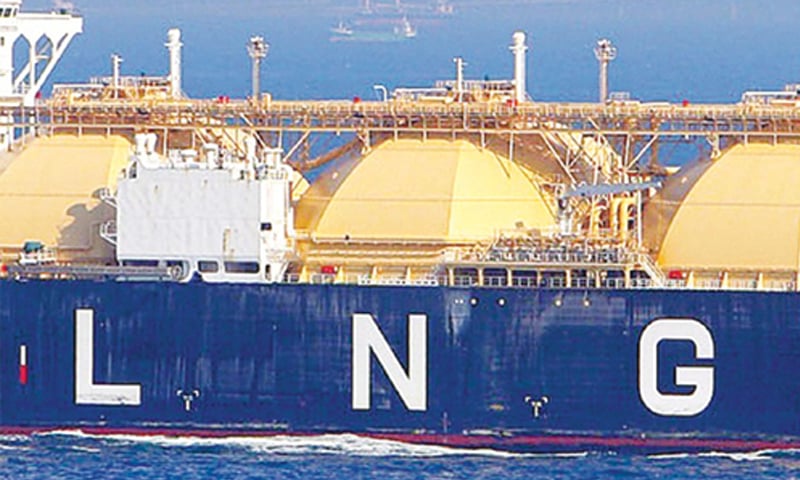
ISLAMABAD: Pakistan is exploring offshore storage options for excess liquefied natural gas (LNG) cargoes as a gas supply glut threatens domestic producers with $378 million in annual losses, Reuters reported on Tuesday.
The country is grappling with at least three surplus LNG cargoes imported from Qatar, its top supplier, with no immediate domestic demand, forcing steep discounts on natural gas sales and production cuts by local firms.
The oversupply stems from a sharp decline in gas-fired power generation, historically a cornerstone of Pakistan’s energy mix, which has fallen for three consecutive years through 2024.
Data from energy think-tank Ember highlights a surge in cheaper solar power, eroding the dominance of gas-fired plants. This shift has left Pakistan with more LNG than it can use, pushing state-owned Oil and Gas Development Co. Ltd. (OGDCL) to consider transferring cargoes to rented tankers for offshore storage and eventual resale, according to a May 29 presentation by the company.
“Excess LNG in the gas network has resulted in significant production operations impact for local exploration and production companies over the last 18 months,” OGDCL said in the presentation, noting that the glut has forced curtailment of domestic supply.
At current rates, the domestic industry faces potential losses of $378 million over the next 12 months, the document warned.
A government official confirmed that Pakistan is selling gas at steep discounts locally, exacerbating the pressure on producers already scaling back output.
The OGDCL proposed renting tankers to store cargoes offshore for later resale. However, it’s uncertain whether Pakistan’s long-term LNG contracts with QatarEnergy permit resale of cargoes. Qatar typically includes destination clauses in such agreements, restricting where the fuel can be sold. A second government official said the country is still exploring its options.
Pakistan has already deferred five contracted cargoes from 2025 to 2026 without penalty, buying time to address the surplus.
Petroleum Minister Ali Pervaiz Malik described renegotiating the Qatar contracts as a “complex” process that could take at least a year, with no decision yet on whether to proceed. “While the existing contract with Qatar allows Pakistan to decline vessels, doing so incurs penalties and other complications,” Malik told Reuters. He declined to comment directly on the OGDCL presentation but noted that the glut reflects a broader shift in energy dynamics.
The surplus has been driven by the idling of several gas-fired power plants, previously operated under must-run contracts that guaranteed their use.
Malik pointed to this as a key factor, while OGDCL highlighted an unexpected trend. “It was expected that summer season will create extraordinary demand but the trend indicates the opposite,” the presentation stated. Lower-than-anticipated demand has compounded the oversupply, leaving Pakistan’s gas infrastructure under strain.
The proposal to store LNG offshore is untested approach for Pakistan to managing the crisis. OGDCL’s plan depends on securing tankers and navigating contractual limits, a process that could be challenging for Pakistan to handle its energy surplus.
Copyright © 2021 Independent Pakistan | All rights reserved