By Staff Reporter
ISLAMABAD: Pakistan is set to issue its first-ever Panda bond next month, aiming to raise the equivalent of $250 million as part of a broader $1 billion program, as the cash-strapped South Asian nation seeks to diversify its funding sources and reduce reliance on dollar-denominated debt.
The yuan-denominated instrument, to be sold in China’s onshore market, would mark Islamabad’s debut in the world’s second-largest bond arena and comes amid improving investor confidence in the country’s economic reforms under a $7 billion International Monetary Fund bailout.
Finance Minister Muhammad Aurangzeb chaired a review meeting on Friday on the planned issuance, where officials from the Debt Management Office briefed him on approvals, investor engagement and regulatory processes, according to a ministry statement. “The Panda Bond program is being pursued as a structured and programmatic financing strategy, aligned with prudent debt management objectives,” the statement said.
Approvals from multilateral partners have been secured, and final clearances from Chinese regulators are expected by early January, paving the way for the inaugural tranche. Documentation and guarantees are in place, with preparatory work already underway for subsequent issuances under a second phase dubbed “Panda Series II.”
Engagement with Chinese institutional investors has been constructive so far, the ministry said, adding that prevailing market conditions remain supportive with orderly functioning. “Investor sentiment has been strong, with broad-based interest and encouraging early feedback from a diversified investor base,” the statement said. “This reflects strengthening confidence in Pakistan’s macroeconomic stabilisation, an improved policy and reform framework, and a positive medium-term outlook.” Pricing for the bond will be finalised closer to the launch once all regulatory requirements are met.
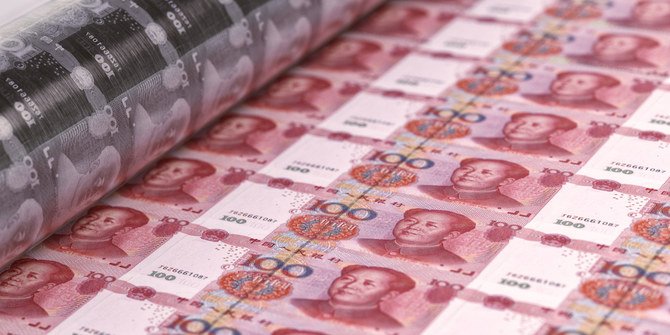
Panda bonds are renminbi-denominated instruments issued by foreign governments or companies in mainland China’s domestic market, allowing issuers to access the country’s vast investor base while supporting Beijing’s push for yuan internationalisation. They also help borrowers hedge against foreign-exchange volatility. Pakistan has long leaned on bilateral and multilateral financing, including short-term funding from Middle Eastern banks, but has faced elevated borrowing costs in international markets in recent years. The move into China’s onshore bond market is part of a push to broaden its investor base and explore market-based channels.
The country is operating under a 37-month IMF program that demands fiscal consolidation, stronger tax collection and structural reforms in energy, state-owned enterprises and the investment climate. Credit-rating agencies have taken note of the progress. Moody’s Investors Service raised Pakistan’s long-term foreign-currency issuer rating to Caa1 with a stable outlook in August, citing an improving external position backed by reforms and IMF support. S&P Global Ratings upgraded the nation to B- with a stable outlook in July.
Aurangzeb expressed satisfaction with the progress and reaffirmed the government’s commitment to prudent, market-based financing. He noted that the inaugural Panda bond will further support Pakistan’s medium-term debt sustainability and diversification of funding sources.
Copyright © 2021 Independent Pakistan | All rights reserved