By Staff Reporter
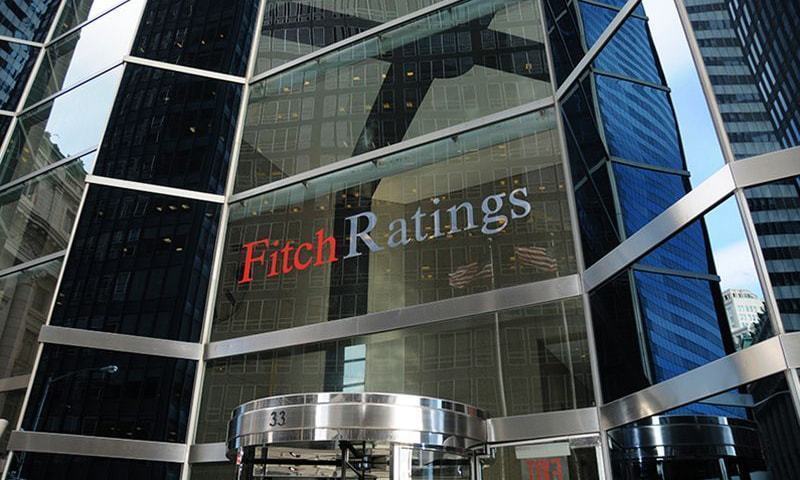
KARACHI: Pakistan’s credit rating was affirmed at CCC by Fitch Ratings on Wednesday, a level that indicates a substantial risk of default, as the country grapples with high external funding pressures and policy challenges ahead of a general election in February.
“The CCC rating reflects high external funding risks amid high medium-term financing requirements, despite some stabilisation and Pakistan’s strong performance on its current Stand-by Arrangement (SBA) with the IMF,” Fitch said in a statement.
The rating agency does not assign outlooks to sovereigns with a rating of CCC’ or below.
The rating agency said Pakistan’s large financing needs and its dependence on an International Monetary Fund program that is set to expire in March 2024 were the main factors behind the rating, which has not changed since 2019.
The country also faces difficulties in implementing structural reforms and maintaining policy stability, especially as the election could disrupt the reform momentum and trigger social unrest, Fitch said in a statement.
Fitch said it expects Pakistan to hold general elections as scheduled in February and to negotiate a follow-up IMF programme quickly after the SBA ends in March 2024.
“… but there is still the risk of delays and uncertainty around Pakistan’s ability to do this. The elections could endanger the durability of recent reforms and leave room for renewed political volatility.” Pakistan and the IMF reached staff-level agreement on the first review of the country’s nine-month SBA in November, paving the way for the disbursement of $700 million after the Fund’s January board meeting.
Fitch said the successful programme review reflects Pakistan’s continued fiscal consolidation, energy price reforms and moves towards a more market-determined exchange rate regime.
The caretaker government, which took office in August, has also taken new measures, including sharp hikes to natural gas and electricity prices and a crackdown on the black market, to narrow the gap between the parallel and interbank exchange rates and bring more foreign exchange into the banking system.
Fitch said Pakistan faces significant policy implementation risks, as parties across the political spectrum have a history of failing to implement or reversing reforms agreed with the IMF. “We see a risk that the current consensus within Pakistan on the measures necessary to ensure continued funding could dissipate quickly once economic and external conditions improve, although Pakistan now has fewer financing options than in the past.”
It said any follow-up IMF programme would likely require Pakistan to undertake sweeping structural reforms in opposition to entrenched vested interests.
Fitch said Pakistan has received some external funding from bilateral and multilateral sources, including $2 billion in new deposits from Saudi Arabia and $1 billion from the UAE, as well as over $500 million in project and commodity financing in the first quarter of the fiscal year ending June 2024.
It said a further $1.1 billion in programme loans and over $500 million in project loans appear likely in the remainder of 2023.
However, Fitch said Pakistan’s overall funding targets are ambitious, as the authorities expect total gross new external financing of $18 billion in FY24, against nearly $9 billion in government debt maturities.
The maturing debt includes a $1 billion bond due in April and $3.8 billion to multilateral creditors, but excludes routine rollovers of bilateral deposits.
Copyright © 2021 Independent Pakistan | All rights reserved