By Staff Reporter
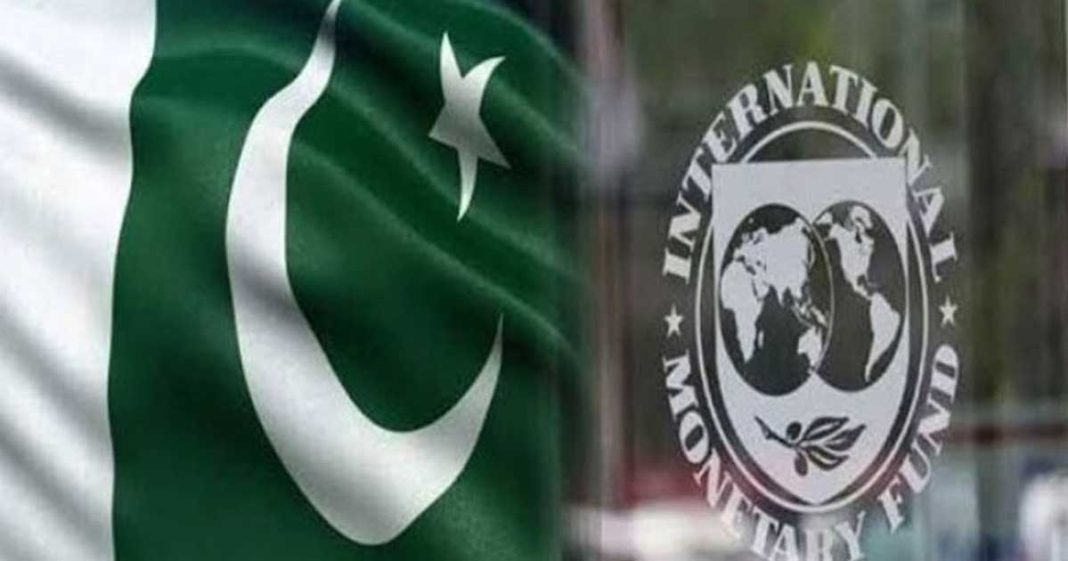
ISLAMABAD: The International Monetary Fund (IMF) is working closely with Pakistan to address its currency market situation and resolve other critical issues ahead of the resumption of its $6.7 billion bailout program, which is set to conclude in June.
The IMF mission chief for Pakistan Nathan Porter said that authorities are currently prioritizing the restoration of proper functioning in the foreign exchange market, the passage of a fiscal year 2024 budget aligned with program objectives, and securing adequate financing.
Pakistan has been in negotiations with the IMF to resume its bailout program since November. Approximately $2.7 billion remains to be disbursed from the original $6.7 billion program. Furthermore, $900 million in financing from the World Bank and Asian Infrastructure Investment Bank has been withheld due to protracted discussions with the IMF.
The country has intensified its efforts to secure funding as it grapples with the looming possibility of a sovereign default. According to Columbia Threadneedle Investments, the South Asian nation faces approximately $22 billion in external debt service for the fiscal year 2024, commencing in July, which is nearly five times its reserves.
Finance ministry officials said the IMF has asked Pakistan to eliminate the dual exchange rate system and share a revised budgetary framework for the outgoing financial year as well as the upcoming 2023-24 budget. These steps are crucial in moving towards a staff-level agreement with the IMF.
The IMF has projected that the budget deficit could reach an unprecedented level of 8-9 percent of GDP if the status quo persists. Consequently, the government is required to provide a revised budgetary framework for the current and upcoming financial years.
The Ministry of Finance has been tasked with revising and formulating a macroeconomic and fiscal framework that aligns with the IMF’s requirements for the next budget cycle (2023-24) to meet the Fund’s expectations.
Prime Minister Shehbaz Sharif recently engaged in an hour-long telephonic conversation with the Kristalina Georgieva, Managing Director of the IMF. Officials said Georgieva raised concerns about the widening gap between the interbank and free market exchange rates.
The rupee has depreciated by more than 20 percent this year since the central bank loosened its control over the currency in January to facilitate the acquisition of the IMF loan. As a result, a gap of nearly 10 percent has emerged between the official and money changer rates.
According to currency dealers, the open market rate for the rupee against the dollar ranged between 313 and 316. Some money changers were selling the US currency at 318 rupees.
Inconsistencies between the official and parallel market rates encourage transactions outside the formal banking system. The disparity in currency rates between the interbank and open markets has now reached 26.65 rupees. This growing difference is putting pressure on the central bank to devalue the currency further and enticing Pakistani expatriates to use alternative means, such as hawala, to send money back home.
Arsalan Siddiqui, the head of research at Optimus Capital Management Pvt said “the IMF comments on the exchange rate suggest that another devaluation is possible.”
Copyright © 2021 Independent Pakistan | All rights reserved