By Staff Reporter
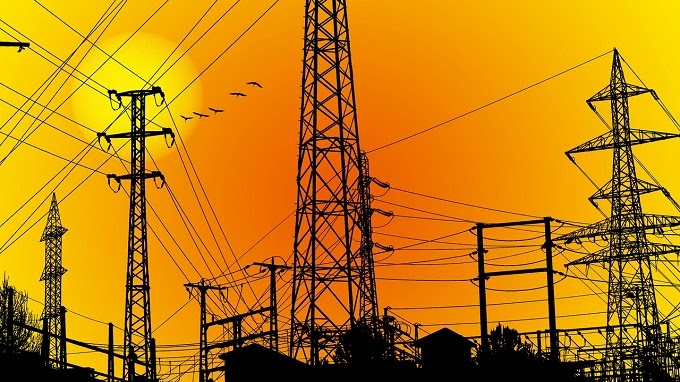
ISLAMABAD: Pakistan has secured International Monetary Fund (IMF) approval for a modest Re1 per unit cut in electricity prices, but the meager relief hinges on a contentious levy on industrial gas users—a condition now mired in legal disputes.
The government had sought to cut Rs8 per unit in power tariff; however, as of now, it has failed to obtain the mandatory clearance from the IMF under the current bailout programme.
The IMF-backed approval relies on a Rs791 per unit levy on gas used by captive power plants (CPPs) to generate Rs110-120 billion annually. Introduced on March 7, the levy is designed to lower tariffs by 1.5 percent for all consumers.
“The programme allows some explicit tariff differential subsidy, and revenue from CPP firms can be used for reducing the Rs1 per kWh electricity price,” the IMF’s Pakistan representative, Mahir Binici, told reporters. “The benefit of the reduction in prices will go to everyone.”
However, businesses have pushed back against the plan, arguing that the levy would increase their gas costs by 23 percent to Rs4,291 per million British thermal units (mmBtu).
The Islamabad High Court halted the levy for five weeks after 20 textile and chemical firms called it illegal and unconstitutional, alleging double taxation and questioning its enactment by ordinance. A hearing is set for April 30, 2025.
The court, in its March 26 ruling, observed that the submissions made by businesses were worth considering. “Let notices be issued to the respondents for 30-04-2025 at the expense of the petitioners. The notification of March 7 shall remain suspended until the next date of hearing.”
The court’s decision may delay implementation of the government’s plan for tariff cuts, which secured a staff-level deal on the Extended Fund Facility’s first review, unlocking a $1 billion loan pending board approval and a new $1.3 billion Resilience and Sustainability Facility (RSF).
Pakistan had requested $1 billion from the IMF’s Resilience and Sustainability Trust (RSF) in October. An IMF team, led by Nathan Porter, concluded talks with Pakistani officials in Karachi, Islamabad, and virtually from February 24 to March 14.
The government projects Rs110-120 billion from the levy to fund the cut, although Prime Minister Shehbaz Sharif targets a steeper Rs6-8 per unit drop—a goal the Power Division struggles to meet under IMF terms.
Gas prices for CPPs are slated to climb further: 10 percent in July 2025, 15 percent in February 2026, and 20 percent by August 2026, potentially hitting Rs6,000 per mmBtu. The IMF rejected a Petroleum Division request to ease the burden with a Rs250-300 per mmBtu cut, insisting that higher costs will drive grid reliance. Pakistan also pitched using Rs180 billion from a recent petroleum levy hike, plus tax and tariff tweaks, to slash power prices.
Copyright © 2021 Independent Pakistan | All rights reserved