By Staff Reporter
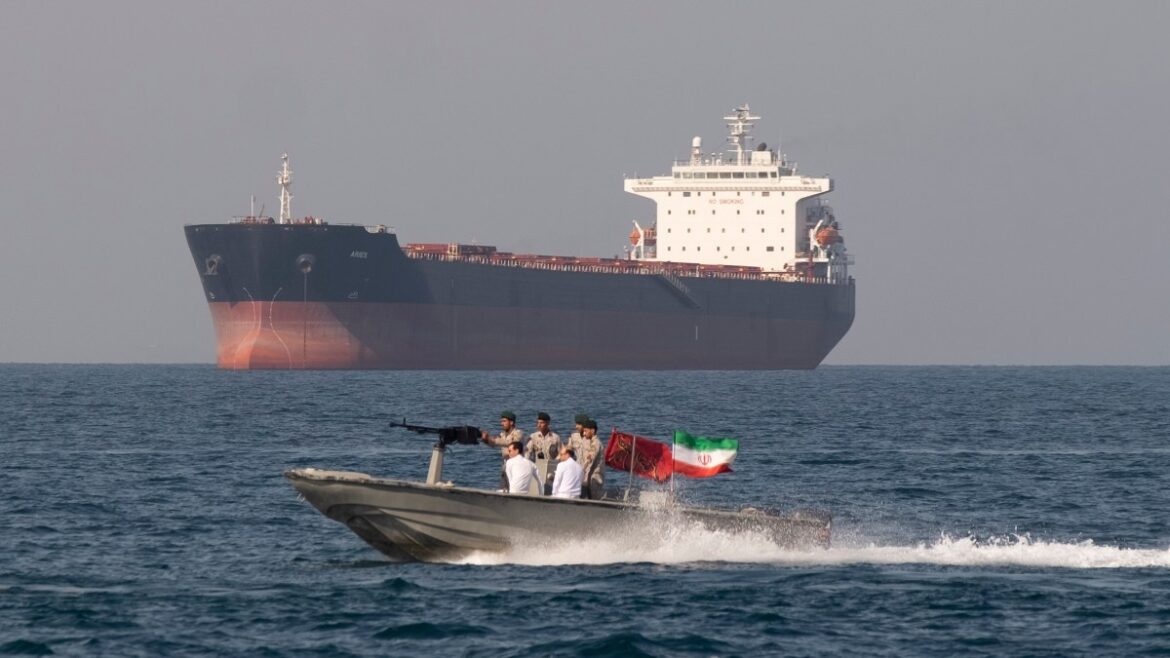
KARACHI: Iraq and Pakistan have reached bilateral agreements with Iran to secure the safe transit of crude oil and liquefied natural gas through the Strait of Hormuz, Reuters reported on Tuesday, highlighting Tehran’s tightening control over one of the world’s most vital energy arteries amid the US-Israeli war.
The conflict has slashed exports from the Persian Gulf region, which normally accounts for about 20% of global crude oil and LNG shipments. In recent weeks, the US has imposed a blockade on Iranian ports. Iran initially moved to halt all traffic through the narrow waterway but has since pivoted to a policy of selective access, Claudio Steuer, a senior research fellow at the Oxford Institute for Energy Studies, said in an interview to Reuters.
“Iran has shifted from blocking Hormuz to controlling access to it,” Steuer said. “Hormuz is no longer a neutral transit route, it is a controlled corridor.” Iraq, whose crude exports have historically relied almost entirely on the strait, was among the hardest hit by the disruption. Pakistan, which has positioned itself as a mediator in the conflict, depends heavily on Gulf energy imports and has faced sharply higher fuel costs as supplies tightened.
In a previously unreported agreement between Baghdad and Tehran, Iraq obtained approval for two very large crude carriers — each loaded with about 2 million barrels — to pass through the strait on Sunday. Iraqi officials are now negotiating for additional transits, according to one senior Iraqi oil ministry official familiar with both the initial deal and the ongoing talks. The government is seeking to protect oil revenue, which funds about 95% of its national budget. “Iraq is a close ally of Iran, and any deterioration in Iraq’s economy would also damage Iran’s economic interests in the country,” the official said, asking not to be identified because the discussions are private. A second Iraqi oil ministry official and a person in the shipping industry confirmed the talks with Tehran. An Iraqi government spokesperson did not immediately respond to a request for comment.
Separately, two tankers carrying Qatari LNG are en route to Pakistan under a distinct bilateral understanding between Islamabad and Tehran, according to two people in the energy industry with direct knowledge of the matter. Pakistan imported roughly 10 LNG cargoes a month before the war and now faces peak summer electricity demand for air conditioning and cooling. Neither Iraq nor Pakistan has made direct payments to Iran or its Islamic Revolutionary Guard Corps in connection with the transits, the people familiar with the deals said.
Qatar was not a direct party to the bilateral agreements but notified the US in advance of the shipments to Pakistan, the industry sources said. The arrangements come as other governments in Asia and beyond explore similar understandings with Iran to mitigate rising energy costs and supply shortfalls, according to people familiar with those discussions. The moves risk entrenching Tehran’s authority over the strait on a longer-term basis. “As more governments become willing to cut deals with Iran for passage, it risks normalising the idea that Iran will control the Strait of Hormuz on a more permanent basis,” said Saul Kavonic, head of research at the energy consultancy MST Marquee.
Copyright © 2021 Independent Pakistan | All rights reserved