By Staff Reporter
ISLAMABAD: Pakistan has postponed the unveiling of its federal budget for fiscal year 2026-27 by five days to June 10, as Prime Minister Shehbaz Sharif’s administration grapples with mounting pressure from fractious coalition allies and unfinished negotiations with the International Monetary Fund over the spending plan’s architecture.
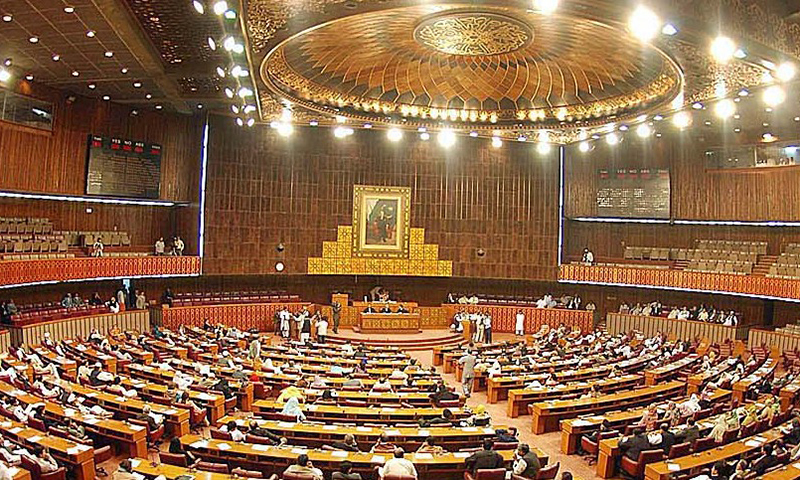
Tahira Aurangzeb, a senior lawmaker from the ruling Pakistan Muslim League-Nawaz, confirmed on Tuesday that the budget presentation — originally set for June 5 — had been rescheduled to June 10, with the National Assembly session convened for that purpose pushed back accordingly. She declined to specify the reasons for the delay.
The postponement reflects the complexity confronting Islamabad as it tries to stitch together a budget that can satisfy the fiscal demands of an IMF program, appease restive coalition partners with their own political asks, and still project growth ambitions to a market still wary of Pakistan’s long history of fiscal slippage.
NEC Meeting Shelved
A cabinet division notice on Tuesday confirmed that the National Economic Council — the constitutional body chaired by the prime minister that must formally approve macroeconomic targets and endorse the Public Sector Development Programme before any budget can be presented — had postponed its meeting scheduled for Wednesday. No new date was given.
The NEC’s role makes its delay particularly consequential. Without its approval of growth targets, inflation projections and development spending ceilings, the government cannot legally present the budget to parliament. The body also coordinates fiscal planning between the federal government and the country’s four provinces — a function that has historically been a flashpoint in budget negotiations.
A Rs3 Trillion Development Gap
At the heart of the NEC’s postponement is a sprawling disagreement over the size of the public development program. Planning Minister Ahsan Iqbal said on Monday that the Finance Ministry had allocated Rs1.126 trillion for the PSDP in 2026-27, against total project requirements of Rs4.097 trillion — leaving a funding gap of nearly Rs3 trillion. Coalition partners and provincial governments, sources said, have been pressing for higher allocations despite IMF-mandated constraints on the fiscal deficit.
IMF Alignment Takes Priority
Beyond the internal coalition arithmetic, Islamabad is also waiting on Breead from Washington. Pakistan remains in active consultations with the IMF over revenue targets, expenditure rationalisation and fiscal consolidation measures — and officials have made clear they want broad alignment with the Fund before formally locking in tax measures and spending commitments.
“The government wants to avoid last-minute changes after the budget announcement,” said a person involved in the discussions, who asked not to be identified given the sensitivity of the talks. “Taking the IMF on board on key numbers is being treated as essential.”
Pakistan is targeting GDP growth of 4% in the coming fiscal year, modestly above the pace of the current one, while projecting average inflation of 8.2% — a sharp deceleration from the double-digit readings that hammered households in recent years. The outlook, however, is shadowed by the potential fallout from a crude price shock linked to the conflict in the Middle East, which could complicate both the inflation and fiscal deficit projections that the IMF will scrutinize.
Coalition Politics Cloud the Picture
Separate from the IMF dimension, parliamentary sources say the government is also trying to push through key legislation before the budget session opens — legislation that would have direct implications for next year’s fiscal framework. That effort has run into resistance from the Pakistan Peoples Party, a critical coalition partner whose support the government needs to pass any bills.
PPP Chairman Bilawal Bhutto-Zardari has publicly signaled his party’s opposition to the proposed amendments, including in a speech delivered recently while campaigning in Gilgit Baltistan’s Shigar Valley. Sources said senior figures had been tasked with persuading the PPP leadership to come on board, but no resolution had been reached as of Tuesday.
A second coalition partner, the Muttahida Qaumi Movement-Pakistan, has added its own conditions. MQM-P leader Farooq Sattar last week linked the party’s support for the budget to the reappointment of Kamran Tessori as governor of Sindh, parliamentary sources said — a political demand that injects yet another variable into an already crowded negotiation.
If the legislation fails to pass before the budget session, sources said, several of the measures the government intends to introduce for fiscal year 2026-27 would not be legally viable.
Tight Fiscal Margins
The budget arrives at a delicate moment for an economy that has only recently stepped back from the brink. Pakistan secured a $7 billion Extended Fund Facility from the IMF in mid-2024 after a near-sovereign default the prior year, and has since been under strict program conditionality covering revenue mobilisation, energy sector reform and the elimination of untargeted subsidies. Maintaining the program — and its associated external financing — requires Islamabad to demonstrate credible fiscal consolidation in the budget it is now scrambling to finalise.
The five-day delay is unlikely to affect the substance of the budget materially, but the political turbulence surrounding it underscores how constrained Sharif’s coalition government remains — squeezed between the Fund’s demands for austerity and partners whose loyalty has a price.
Copyright © 2021 Independent Pakistan | All rights reserved