By Staff Reporter
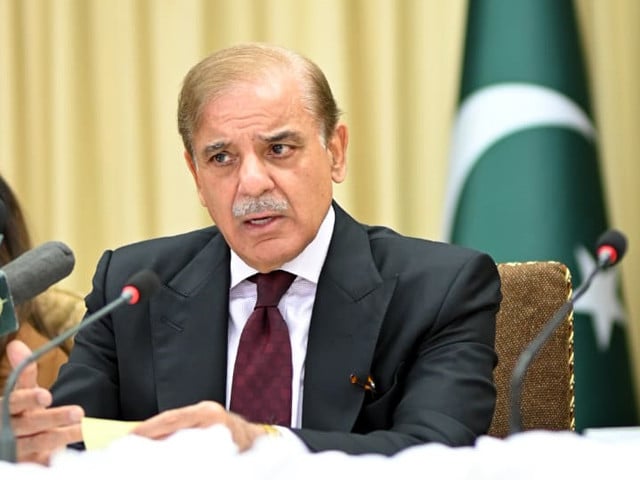
ISLAMABAD: Prime Minister Shehbaz Sharif on Monday ordered an extension of Pakistan’s stringent nationwide austerity program until June 13, prolonging a series of fuel-conservation and spending cuts imposed in March to shield the import-dependent economy from the fallout of soaring global oil prices.
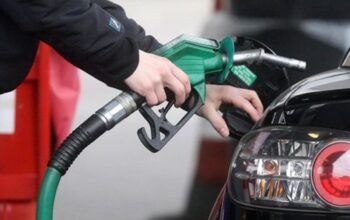
The decision, announced by the Cabinet Division, comes as the government continues to wrestle with the economic repercussions of the Middle East conflict that began Feb. 28 with US-Israeli strikes on Iran. Those hostilities have disrupted energy markets worldwide, driving up crude prices and raising fears of supply interruptions through the Strait of Hormuz. Pakistan, which imports the vast majority of its oil and petroleum products, has already increased petrol prices three times since the fighting erupted — a cumulative 56 percent surge that ranks as the second-highest in the world, according to global fuel-price trackers.
A notification issued by the Cabinet Division said Sharif approved the extension after receiving recommendations from a high-level committee charged with monitoring fuel conservation and additional austerity steps. The measures, first announced March 9, were designed to reduce government energy consumption, lower the cost of electricity generation and protect lower-income Pakistanis from the full brunt of higher fuel costs. “The prime minister, on consideration of the recommendations of the committee for monitoring and implementation of fuel conservation and additional austerity measures, has been pleased to extend the applicability of the following additional austerity measures up till 13th June, 2026 with immediate effect,” the notification stated.
Among the steps now prolonged are a 50 percent reduction in fuel allowances for official vehicles, with exemptions only for operational fleets such as ambulances and public buses. Sixty percent of government vehicles have been ordered off the road. A blanket ban on foreign travel by ministers and other officials remains in place, except for trips deemed essential to national interests. Departments have been told to cut overall expenses by 20 percent and are prohibited from buying new vehicles, furniture, air conditioners or other non-essential equipment.
A four-day workweek — Monday through Thursday — for all government offices, introduced as part of the original package, will continue. The shortened schedule does not apply to banks, the agriculture or industrial sectors, or essential services including hospitals and ambulance operations. Higher-education classes have been shifted online, and the government has established an austerity fund to channel savings from the program.
The notification also made clear that any previously announced austerity and fuel-conservation measures without a specified end date would remain in force until further orders. “Other additional austerity and fuel conservation measures, as notified from time to time … shall continue to remain in force over the periods specified in the respective notifications,” it said.
The austerity drive is paired with limited targeted relief. On April 30, Sharif extended fuel subsidies for motorcyclists, public transport and goods carriers by an additional month to cushion the impact on bikers, farmers and transporters — groups the government identified as particularly vulnerable to the oil-price shock. To ensure compliance, Sharif has directed the Intelligence Bureau to conduct a third-party audit of how the measures are being implemented across federal and provincial departments.
The restrictions have also reached the private sector. Under the plan, shops, markets and malls must close by 8 p.m., while restaurants and marriage halls are permitted to remain open until 10 p.m. Pakistan’s economy, already strained by high inflation and a heavy debt burden, has been particularly exposed to the global energy turmoil. Successive petrol-price hikes have rippled through transportation costs, food prices and manufacturing expenses. The government has framed the austerity program as a necessary, if painful, bridge until international oil markets stabilize — a prospect that remains uncertain given the stalled peace talks between the United States and Iran.
Copyright © 2021 Independent Pakistan | All rights reserved