By Staff Reporter
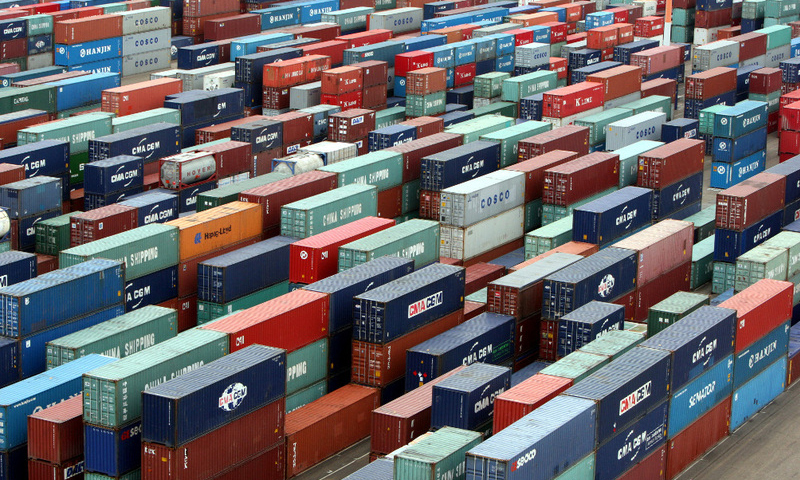
ISLAMABAD: Pakistan has allowed Afghan importers to re-export more than 6,500 containers of transit cargo stranded at its Karachi ports, offering relief from mounting demurrage charges amid a prolonged border closure with Afghanistan that has crippled trade.
The decision comes as tensions between the two neighbors show no signs of easing, with the border shut since Oct. 11, 2025, following clashes and a breakdown in talks over the banned Tehreek-i-Taliban Pakistan militant group. Afghanistan suspended trade ties after Pakistan declared negotiations effectively over on Nov. 7, exacerbating the halt in bilateral commerce and the movement of goods under the Afghan Transit Trade agreement.
Importers have been pressing the Ministry of Commerce for a one-time exemption to ship the cargo elsewhere, according to officials. “Yes, we have issued letters to individual importers who are approaching the ministry to re-export their cargo,” a Ministry of Commerce official told Dawn newspaper. The official added that the commerce minister holds the authority to approve such waivers. The ministry hasn’t made a formal announcement but is handling requests on a case-by-case basis, issuing permissions directly to applicants.
The bulk of the containers—about 3,000—are from Malaysia and loaded with palm oil for edible use in Afghanistan. “We have already issued letters to most palm oil importers to re-export their containers,” the official said, declining to provide the precise number approved. Much of the stranded cargo originates from China and Vietnam, with envoys from those countries lobbying Islamabad for clearance, the official said. That outreach helped prompt the government to extend the option to all affected importers, enabling them to reroute shipments via alternative ports or paths to reach Afghan markets.
While fewer containers—between 600 and 700—are backed up at the Chaman and Torkham border crossings, the ports in Karachi bear the brunt of the logjam, a customs official said. The re-export approvals aim to stem financial losses for Afghan businesses, which have faced escalating storage fees. The border impasse has already hammered trade volumes. Afghan imports transiting through Pakistan plummeted to $2.4 billion in fiscal 2024 from $6.7 billion the prior year, and further to $1.01 billion in fiscal 2025. Industry estimates suggest the figure could dip below $1 billion this fiscal year if the suspension drags on, accelerating Afghanistan’s pivot to other import routes and suppliers.
In a partial thaw, Islamabad on Dec. 3 permitted the transit of humanitarian consignments. That initial batch included 143 containers: 67 from the World Food Programme, 74 with Unicef supplies for children, and two with healthcare and family aid from another United Nations agency. Yet none have crossed into Afghanistan over the past three months, as the Taliban administration has blocked their entry, the customs official said.
Copyright © 2021 Independent Pakistan | All rights reserved