By Staff Reporter
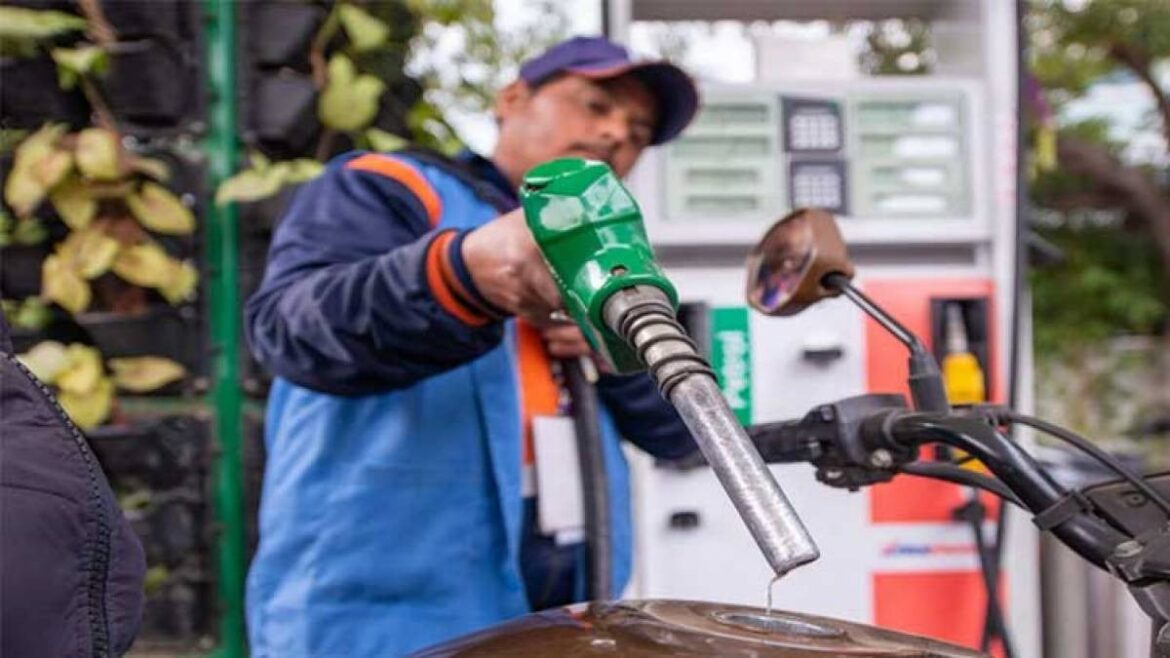
ISLAMABAD: Pakistan sharply increased petrol and high-speed diesel prices on Thursday, reflecting record global oil costs triggered by the escalating conflict in the Middle East, while introducing targeted subsidies to cushion the impact on two-wheelers, small farmers and key transport sectors.
Petrol rose Rs137.24 a liter to Rs458.40, and high-speed diesel climbed Rs184.49 to Rs520.35, the government said. Kerosene prices increased Rs34.08 to Rs457.80 a liter. The new rates take effect Friday.
Petroleum Minister Ali Pervaiz Malik announced the adjustments at a press conference alongside Finance Minister Muhammad Aurangzeb. The energy ministry promptly issued a formal notification confirming the changes.
The revisions come as crude oil prices in the Dubai and Oman markets — which supply about 80% of Pakistan’s imports — have surged to historic highs, exceeding $250 a barrel for both crude and diesel. In the past week alone, international petrol prices rose 6.5% to $136.40 a barrel while high-speed diesel jumped 20% to $285, officials said.
Malik described the increases as “difficult and responsible” decisions made necessary by forces beyond Pakistan’s control. “Energy prices had skyrocketed in the international market due to the ongoing Middle East war,” he said. “It has not just engulfed the entire region but the entire world as well.” The minister stressed the need for national discipline and unity, noting that Pakistan had played no role in the conflict and calling for diplomatic efforts toward de-escalation.
The war has disrupted supply routes, particularly through the Strait of Hormuz, forcing arrangements for alternative energy lines. Malik said Prime Minister Shehbaz Sharif had attempted to shield consumers through austerity measures and cuts in development budgets. The government has already spent Rs129 billion since March 1 “to protect the people,” he added. “We tried to handle this matter in a better manner by means of austerity measures and through diplomacy.” Even wealthier countries have struggled under the same pressures, he noted, while acknowledging that the price hikes would still create difficulties for ordinary Pakistanis.
Pakistan faces fiscal constraints and obligations under international agreements that limit its ability to maintain broad subsidies. A meeting held Thursday involving Sharif and military leadership concluded that support must be sharpened rather than spread across a blanket cover.
Aurangzeb outlined the new targeted subsidy program, shifting away from universal relief. “We are announcing a targeted subsidy program… it should not be blanket relief, it should reach those levels that are really worthy of it,” he said. Under the plan, motorbike owners will receive Rs100 a liter subsidy, capped at 20 liters per month, for the next three months. Small farmers will get a one-time payment of Rs1,500 per acre to help offset higher diesel costs during the harvesting season. Agriculture accounts for about 24% of gross domestic product and is central to the country’s food security.
For the transport sector, which heavily influences inflation, the government will provide Rs100 a liter subsidy on high-speed diesel used for inter-city and goods movement, with the level to be reviewed every month. Trucks responsible for 80-85% of food-item deliveries will receive Rs70,000 in direct monthly support. Larger transport vehicles will get Rs80,000 a month, while inter-city passenger and public-service buses will receive Rs100,000 monthly to help keep fares stable. The government will also extend subsidy support to Pakistan Railways to maintain affordable fares for low-income travelers. Aurangzeb added that revised market opening timings would be advised next week following consultations with the provinces.
The latest adjustments mark the second significant fuel-price increase in less than a month. In March, both petrol and diesel rose Rs55 a liter after initial supply-chain disruptions from the outbreak of hostilities involving Iran. Cumulative rises now stand at roughly 63% for petrol and 75% for diesel since then.
The government has been absorbing part of the global cost shock in recent weeks but has limited fiscal space. It was unable to secure additional subsidy flexibility from the International Monetary Fund, which had capped maximum fuel subsidies at Rs152 billion. Last June the IMF had directed Pakistan to set aside about Rs390 billion in contingency funds for events such as wars or natural disasters; those resources were not tapped for the current crisis.
Officials said the decisions were taken to avoid any disruption in fuel supplies while preserving economic stability. Diesel prices in particular are watched closely because of their direct effect on agriculture, freight costs and broader inflation. The price changes were announced a day ahead of the usual schedule to discourage hoarding at pumps.
Copyright © 2021 Independent Pakistan | All rights reserved