By Staff Reporter
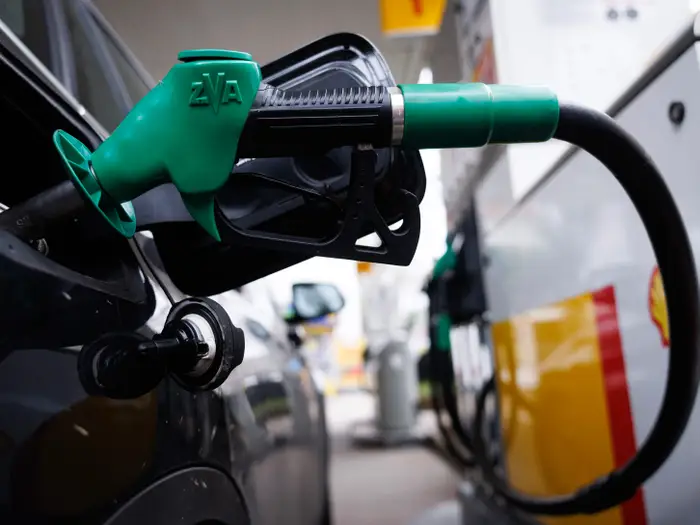
ISLAMABAD: The government cut retail prices of petrol and high-speed diesel by Rs22 a liter each on Friday, the third reduction in recent weeks, handing relief to consumers on the third day of Eid al-Adha as millions of travelers prepare to head home over the weekend.
The move trims petrol to Rs381.78 a liter from Rs403.78 and high-speed diesel to Rs380.78 from Rs402.78, according to notifications from the Prime Minister’s Office and the Petroleum Division. The new rates take effect Saturday, May 30, and will apply for the coming week.
Prime Minister Shehbaz Sharif’s office said the decision was a fulfillment of a pledge to pass on any available relief “as soon as some space was created for it.” The statement called the cut an Eid gift to the public and quoted the premier saying, “Providing relief to the people is my top priority.”
It was the latest adjustment in a shift to weekly price revisions — a departure from the traditional fortnightly schedule — prompted by volatility that began with the outbreak of the US-Iran conflict in late February. Authorities first raised prices after the fighting disrupted shipping through the Strait of Hormuz, then began trimming them as international benchmarks eased.
Last week alone, petrol fell Rs6 a liter to Rs403.78 and diesel Rs6.80 to Rs402.78. The government has also maintained subsidies for public and goods transport operators as well as commuters on motorcycles and rickshaws, even while navigating difficult economic conditions. Petrol, used mainly in private cars, small vehicles, rickshaws and two-wheelers, directly hits household budgets for the middle and lower-middle classes. Diesel powers heavy trucking, large generators and much of the commercial fleet, feeding through to freight costs, electricity generation and broader inflation.
The government has continued to highlight that supplies remained uninterrupted despite regional tensions, in contrast to reported queues and shortages elsewhere. “At a time when people in other countries of the region were standing in queues to obtain petrol, timely actions by the Prime Minister ensured that petrol and diesel remained available,” the PMO statement said. It also noted that during the height of the global oil crisis the government absorbed subsidies exceeding Rs130 a liter to shield domestic prices.
The reduction comes as oil futures extended losses on optimism around a potential extension of a US-Iran peace agreement. Brent crude for July delivery dropped $1.89, or 2%, to $91.82 a barrel by 1309 GMT, while the more active August contract fell to $90.81. West Texas Intermediate was down $1.70, or 1.9%, at $87.20. Both benchmarks posted their steepest weekly declines in months — Brent about 11%, WTI nearly 10% — and touched their lowest levels since mid-April.
Pakistan, almost entirely reliant on imported fuel, remains exposed to swings in global crude and to disruptions along key maritime routes such as the Strait of Hormuz, which carries roughly one-fifth of the world’s oil and LNG. Fuel costs are watched especially closely because they ripple quickly into transportation, power tariffs and the prices of everyday goods and services.
Copyright © 2021 Independent Pakistan | All rights reserved