By Staff Reporter
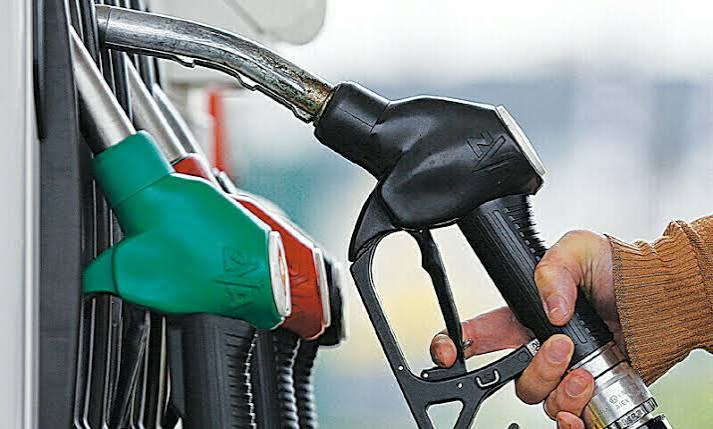
ISLAMABAD: The government cut petrol and diesel prices on Thursday, trimming petrol by Rs3.19 a litre and high-speed diesel by Rs1.50, under a daily pricing mechanism adopted last month to keep pump prices in step with volatile international oil markets.
The Petroleum Division said in a notification that the new rates take effect Friday, August 7. Petrol will retail at Rs329.82 a litre and diesel at Rs382.36. Government levies remain unchanged at Rs110 a litre on petrol and Rs96 a litre on diesel, taxes that have stayed largely fixed even as the underlying price of both fuels has swung sharply since late February.
Thursday’s cut extends a decline from the peaks both fuels hit on April 3, when diesel reached Rs520.35 a litre and petrol touched Rs458.41. Diesel had been selling for just Rs281 a litre before that runup began; petrol was at Rs266 in the first week of March. The roughly 85% surge in diesel prices and 72% jump in petrol between early March and early April tracked the shock to global energy markets that followed the outbreak of hostilities between the United States and Iran on February 28, when Tehran moved to shut the Strait of Hormuz, the passage that had carried close to a fifth of the world’s energy supplies.
Petroleum Minister Ali Pervaiz Malik has said the shift to daily price reviews — which replaced a weekly system introduced after the February attacks, itself a replacement for the fortnightly reviews Pakistan used previously — was approved by the cabinet and the prime minister to let pump prices track international benchmarks more closely as Middle East tensions flared again. The Oil and Gas Regulatory Authority now calculates and publishes rates daily, using a seven-day rolling average of global prices that Malik has said brings Pakistan’s mechanism closer to international practice.
The latest cut follows the collapse of a fragile truce between Tehran and Washington reached in June, which briefly eased market pressure before tensions resurfaced and revived concern over a wider conflict and renewed disruption to energy flows through the Strait.
Petrol and diesel make up the bulk of Pakistan’s fuel tax base, with combined monthly sales of roughly 700,000 to 800,000 tonnes against kerosene demand of about 10,000 tonnes a month. The two fuels also reach different parts of the economy: petrol price moves are felt most directly by owners of motorcycles, rickshaws and small private vehicles, the transport of choice for much of Pakistan’s middle and lower-middle classes, while diesel costs ripple more widely through freight transport, power generation and industry, feeding into prices well beyond the pump.
Copyright © 2021 Independent Pakistan | All rights reserved