By Staff Reporter
KARACHI: The central bank is poised to keep its key interest rate unchanged at 11 percent when it announces its decision on Monday, according to a Reuters poll of analysts, as devastating floods and border disruptions with Afghanistan continue to fuel food price surges and constrain options for further monetary easing.
All 10 analysts surveyed in the poll anticipated that the State Bank of Pakistan would extend its pause on rate adjustments, citing the lingering effects of recent natural disasters and a low base effect from last year that is likely to amplify upcoming inflation readings.
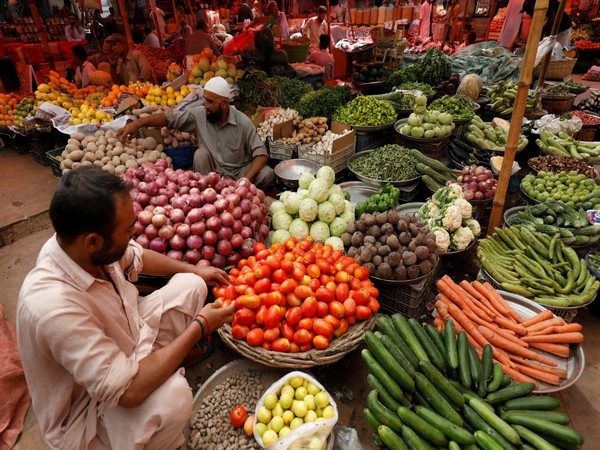
Floods in August inundated vast swaths of farmland and industrial areas in Punjab Province, killing more than 1,000 people, displacing 2.5 million others and inflicting widespread damage on crops and factories. Since October 11, clashes along the border with Afghanistan have led to closures that have disrupted trade routes, exacerbating shortages and driving up prices for staples like tomatoes and apples.
“An elevated inflation reading in September, incorporating the impact of the recent floods, is likely to incline the MPC to keep the policy rate at the same level,” said Fawad Basir, head of research at KTrade, referring to the bank’s monetary policy committee. He added that the next rate cut was likely in the last quarter of the fiscal year 2026, which begins in July 2026.
Pakistan’s headline inflation rate accelerated to 5.6 percent on a year-on-year basis in September, marking a 2 percentage point increase from the previous month. The central bank, which last held rates steady in September, has warned that the floods could push inflation beyond its target range of 5 percent to 7 percent.
Analysts noted that while real interest rates remain comfortably positive following an easing of inflation earlier this year, other factors are weighing on the outlook. “While receding flood risks and lower global oil prices have improved the near-term inflation outlook, last year’s low base is expected to push monthly readings higher,” said Amreen Soorani of Al Meezan Investments. “Given the central bank’s preference to keep a real interest margin of around 300 basis points, there is little room for a rate cut,” she added.
The State Bank of Pakistan has been navigating a delicate balance in its monetary policy. It has lowered rates by a cumulative 1,100 basis points since June 2024, when they stood at a peak of 22 percent amid inflation that had approached 40 percent the previous year. The most recent reduction, of 100 basis points, occurred in May, followed by holds in June, July and September as uncertainties over energy and food prices persisted. The floods and border issues have deepened food shortages, intensifying inflationary pressures and underscoring the challenges facing Pakistan’s economy, which is still recovering from earlier shocks.
Copyright © 2021 Independent Pakistan | All rights reserved