By Staff Reporter
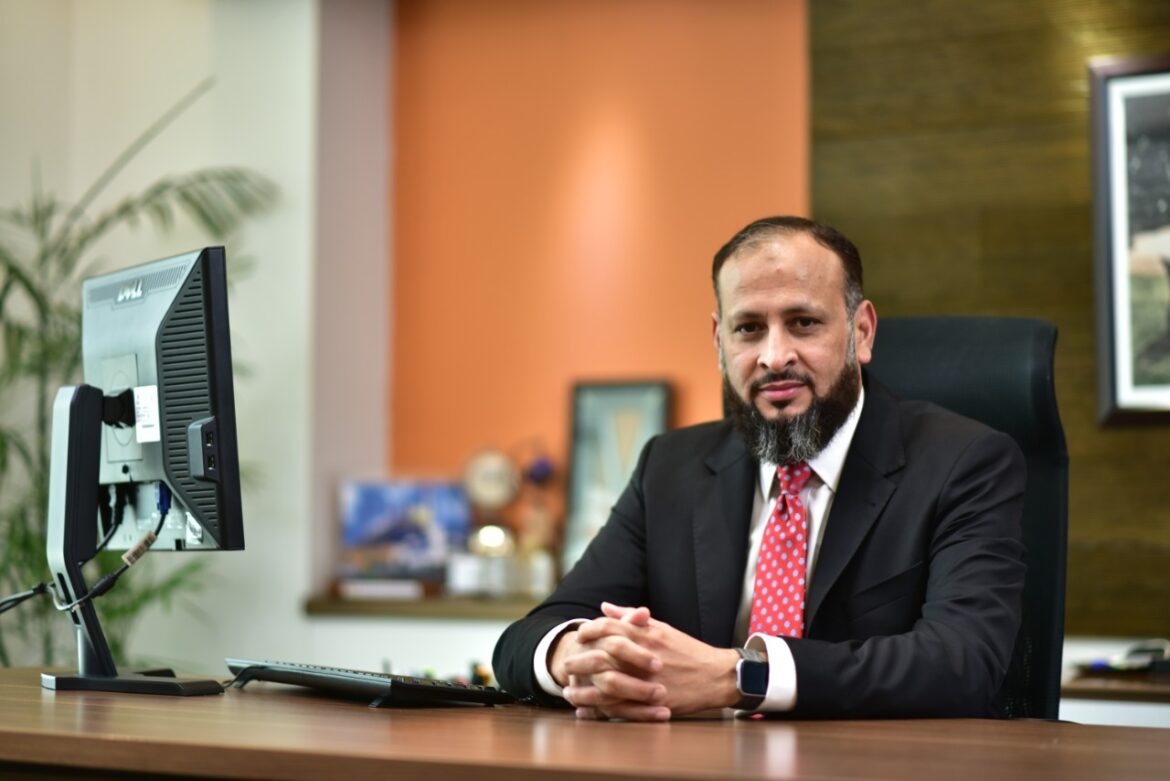
KARACHI: A provincial ombudsman on Thursday ordered the immediate removal of Moonis Alvi, the chief executive officer of K-Electric, the nation’s largest power utility, after ruling him guilty of workplace harassment.
The decision, coupled with a Rs2.5 million fine to be paid as compensation to the complainant, Mahreen Aziz Khan, the company’s former chief marketing and communication officer, marks a significant enforcement of Pakistan’s laws aimed at safeguarding women in professional settings.
The ruling stems from a complaint filed by Khan, who accused Alvi and three other senior K-Electric officials, Chief People Officer Rizwan Dallia, Chief of Security Col (R) Wahid Asghar, and Member of the Board of Directors and Chairman Board HR Committee Khalid Rafi, of “causing harassment, intimidation and mental agony.”
Justice (R) Shahnawaz Tariq, the ombudsman, concluded that Alvi had “committed harassment, created a hostile environment and caused mental agony at the workplace to [Khan] and her team.” Under Section 4(4)(ii)(c) of the Protection against Harassment of Women at the Workplace Act, 2010, Alvi was ordered removed from his post with immediate effect and directed to pay the fine within 30 days.
The order carries severe consequences for non-compliance. Should Alvi fail to pay the fine, authorities are instructed to recover it as land revenue under the Land Revenue Act, 1967, targeting his movable and immovable properties, including bank accounts, through the relevant deputy commissioner.
Additionally, his national identity card and passport will be blocked via the National Database and Registration Authority (NADRA) and the Ministry of Interior until the penalty is settled. The directive is self-executing, and any failure to adhere could trigger contempt proceedings under Section 10(1)(vi) of the act. Alvi retains the right to appeal the decision in the high court.
The Protection against Harassment of Women at the Workplace Act, enacted in 2010, stands as a cornerstone of Pakistan’s efforts to ensure safer working environments for women. By empowering the ombudsman to investigate and penalize offenders, the law seeks to dismantle barriers that have long silenced victims of workplace misconduct. Thursday’s ruling underscores its potency, demonstrating that even top-tier executives are not beyond its reach.
Alvi, in a series of posts on X, voiced his anguish over the verdict. “I have always upheld the values of integrity and dignity in professional interactions, and I deeply believe in fostering safe and inclusive workplaces for all,” he wrote. “The recent verdict is deeply distressing to me.” Insisting that the findings misrepresent his experience, he added, “While I respect the legal process and the institutions that uphold it, I must, in good conscience, state that the findings do not reflect the truth of the situation as I experienced it.”
Calling the ordeal “a painful journey — not just professionally, but personally,” Alvi confirmed he is consulting with legal counsel and intends to appeal. “It is for anyone who feels wronged to be heard,” he said. “I remain committed to ensuring that the truth is fully brought to light, through all lawful means available.”
Khan’s legal adviser, Barrister Talal Wasif Qavi, hailed the decision as a watershed moment. In a statement released on her behalf, he declared, “This judgment affirms that no one who disrespects the daughters of this nation deserves to hold any office, public or private. It is a clear message that power cannot shield misconduct.”
Highlighting the pervasive challenges faced by women in Pakistan’s workforce, the statement continued, “Across Pakistan, working women face harassment in silence. This case proves they no longer need to be afraid. Justice is possible.” It concluded with a rallying cry:
“This decision serves as a beacon of hope for every working woman who has been forced into silence. We stand with all women who speak out, and will continue to fight until dignity and safety are guaranteed in every workplace.”
The ombudsman’s order absolved the three other accused, Dallia, Asghar, and Rafi, citing “no direct evidence” of their involvement in the harassment, effectively discharging them from the allegations.
Alvi’s tenure at K-Electric has not been without controversy. Reappointed as CEO by the company’s board of directors on July 7, he had previously faced scrutiny in 2020 when he and other senior officials were booked following the electrocution death of a Karachi citizen.
The incident, tied to the utility’s faltering service during the monsoon season, prompted the government to form a special committee to overhaul K-Electric’s operations and spurred calls for the removal of its leadership. Sources familiar with the matter said government-appointed board members had advocated replacing Alvi and the distribution head with professionals better equipped to manage crises and deliver reliable service.
Copyright © 2021 Independent Pakistan | All rights reserved