By Staff Reporter
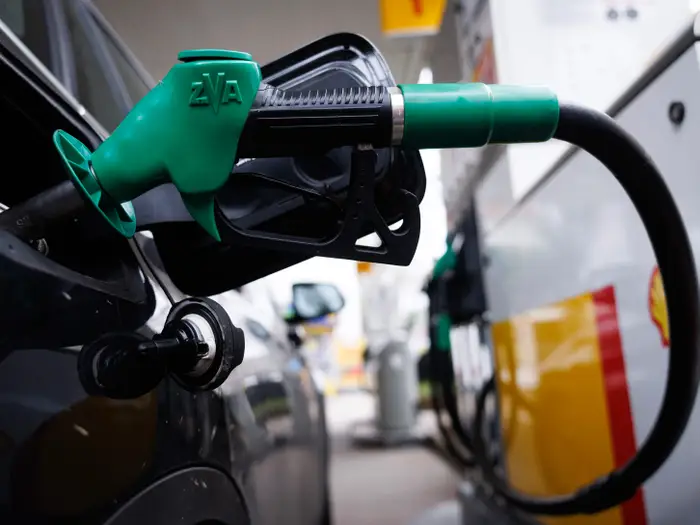
ISLAMABAD: Pakistan raised petrol and diesel prices for Thursday, the latest in a string of newly installed daily pricing mechanism the government rolled out this week to keep pump rates in step with volatile global crude markets amid conflict in the Persian Gulf.
The Petroleum Division said petrol will rise by 6.39 rupees to 327.12 rupees a liter, while high-speed diesel climbs 7.83 rupees to 375.04 rupees, effective Thursday.
The increase comes a day after the government narrowly averted a nationwide strike by fuel retailers. The All Pakistan Petroleum Pump Owners Association called off the walkout for two weeks following talks with Petroleum Minister Ali Pervaiz Malik, after an earlier round of negotiations over the shift to daily pricing had broken down. Not all retailers are on board: the All Pakistan Dealers Association has rejected the daily pricing framework and said it’s weighing protest action this week, setting up a potential second flashpoint even as the pump owners stood down.
A Mechanism Still Settling In
Thursday’s move is the latest test of a system Islamabad has been refining in stages since fighting between Israel, the US and Iran erupted February 28 — a conflict that prompted Tehran to close the Strait of Hormuz, the passage that had carried roughly a fifth of the world’s energy supply. The government initially moved from fortnightly to weekly price reviews to keep pace with the volatility, before a fragile June truce between Tehran and Washington broke down, reviving fears of a wider war and renewed disruption to Gulf energy exports. That collapse pushed the cabinet to authorize daily pricing, with the new mechanism taking effect in the field this week even as pump owners and dealers continue to contest parts of it.
Malik has said the cabinet and prime minister’s office decided to hand daily pricing authority to the Oil and Gas Regulatory Authority, letting the regulator set ex-depot rates without seeking prior sign-off from the prime minister or federal government. Rates are calculated from a seven-day rolling average of international benchmark prices — a method the minister has said brings Pakistan in line with global norms. Ogra began publishing daily Platts reference prices from July 1, 2026, according to an official document. Prices set on Fridays hold through the weekend before the next adjustment.
The document also caps the petroleum levy at the level approved by the federal cabinet, with any change to that rate requiring separate sign-off from the Finance Division.
Prices Off Their Peak
Even with Thursday’s increase, both fuels remain well below the highs reached earlier this year. Diesel peaked at 520.35 rupees on April 3 after climbing from 281 rupees in early March, in the immediate aftermath of the February 28 outbreak of hostilities. Petrol followed a similar path, topping out at 458.41 rupees on April 3 after starting its climb from 266 rupees in the first week of March. The federal government layered targeted relief measures on top of the weekly pricing system in April, aimed at cushioning consumers as prices surged.
Import Rules Tightened
The cabinet-approved framework also rewrites import arrangements for the 2026-27 fiscal year. Imports of high-speed diesel will now run exclusively through state-run Pakistan State Oil, while oil marketing companies will import petrol in proportion to their market shares. Companies that fall short of import or upliftment obligations face a nine-month freeze on new import permissions. Kerosene and light diesel oil prices will also move to daily-setting under the same mechanism, the document said, directing authorities to implement the new pricing structure without delay.
Petrol and diesel are Pakistan’s two largest fuel revenue sources, with combined monthly sales running between 700,000 and 800,000 tonnes — dwarfing the roughly 10,000 tonnes of monthly kerosene demand. Petrol pricing weighs most heavily on private transport, motorcycles and rickshaws, hitting middle- and lower-income households directly, while diesel costs ripple through heavy freight, power generation and industrial users, giving it broader economy-wide reach.
Copyright © 2021 Independent Pakistan | All rights reserved