
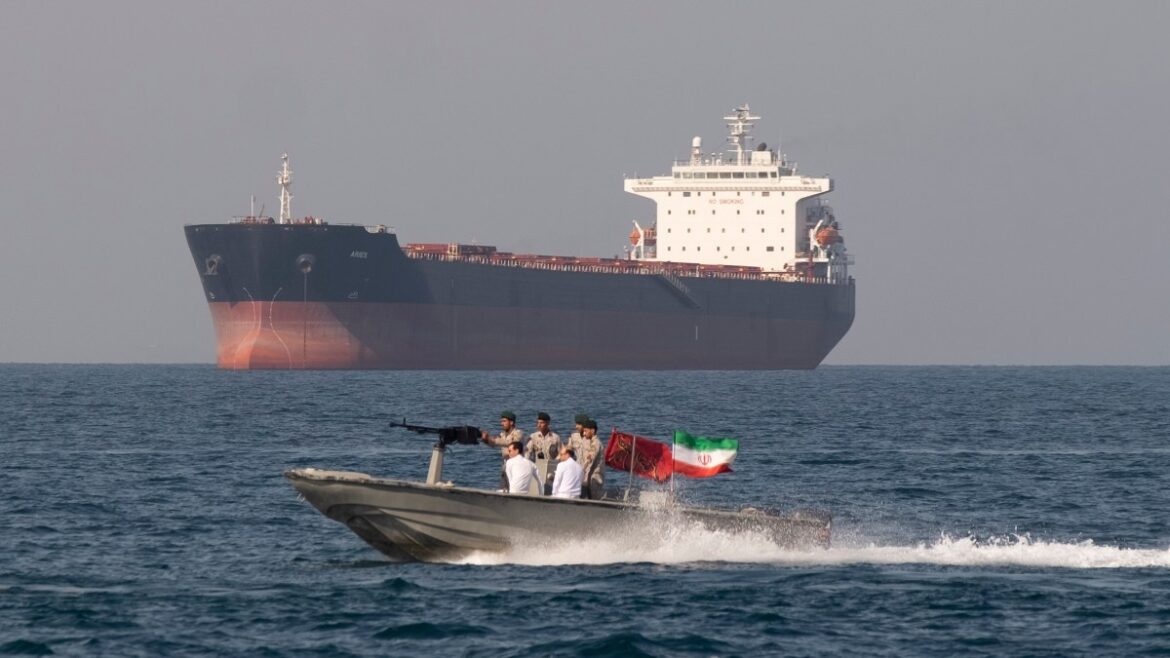
The collapse of talks in Islamabad on Sunday was not a surprise. What followed was. Within hours of Vice President JD Vance boarding his plane home from Pakistan — after the highest-level direct negotiations between the United States and Iran since the 1979 revolution — President Donald Trump announced that the United States Navy would begin blockading Iranian ports and enforcing restrictions on the Strait of Hormuz. The fragile two-week ceasefire that had paused a war begun by American and Israeli strikes in late February now hangs by a thread. Oil prices leapt more than 8 percent on Monday, with both Brent and West Texas Intermediate crossing the $100-a-barrel threshold. Tankers turned back. Markets priced in the possibility of a deeper energy shock than anything the world has seen since the 1970s. This is not the way great-power crises are supposed to end. It is the way they spiral.
Independent Pakistan – I know what I believe I know
Latest News
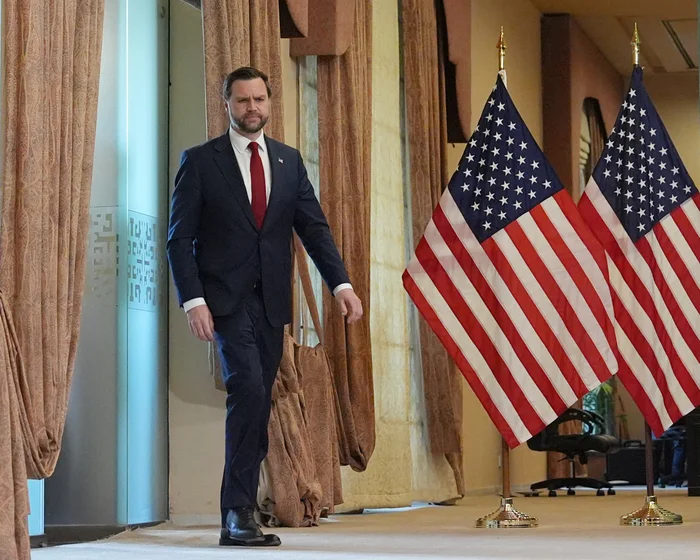
Why the US-Iran Talks Collapsed — and Why They Must Resume
The marathon negotiations in Islamabad ended much as they began: with both sides talking past each other across a chasm of mistrust that four decades of estrangement had only widened. After 21 hours of direct, face-to-face talks — the highest-level contact between American and Iranian officials since the 1979 Islamic Revolution — Vice President JD Vance stepped to the microphone in Pakistan’s capital and delivered a verdict that was polite in tone but blunt in substance. Iran had rejected Washington’s “final and best offer.” Tehran, for its part, accused the United States of making “excessive demands” and “unreasonable” requests on everything from the Strait of Hormuz to its nuclear program. No agreement was reached. No date was set for the next round. The two-week ceasefire that Pakistan had brokered on April 8 now hangs by a thread.
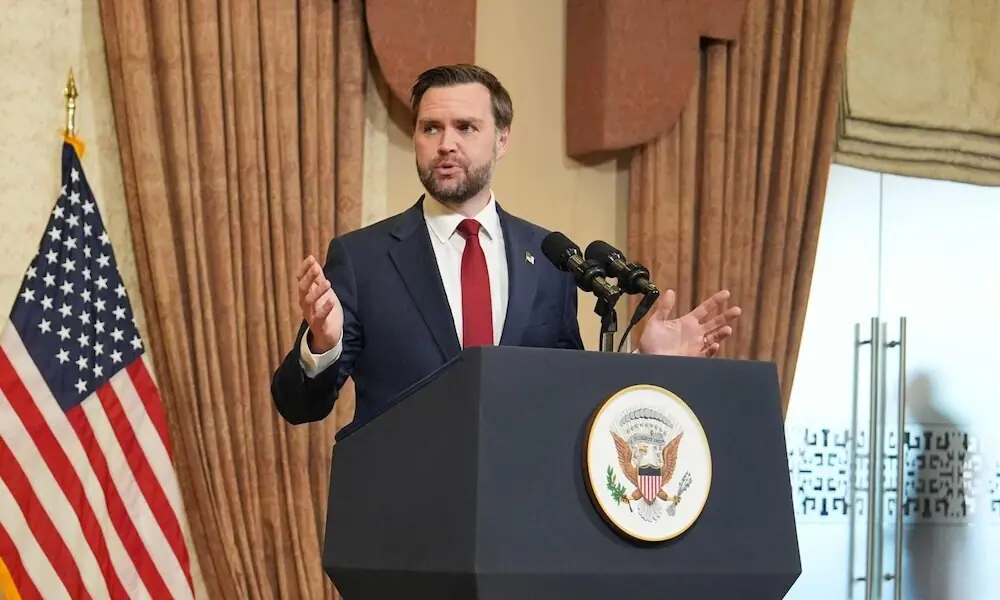
UPDATED: US-Iran talks collapse in Islamabad after marathon 21-hour session, Tehran rejects Washington’s core demands over nuclear program
ISLAMABAD: Vice President JD Vance said on Sunday the United States and Iran had failed to reach any agreement after more than 21 hours of direct, high-stakes negotiations here, the first face-to-face talks between senior officials of the two nations in more than four decades and the highest-level contact since the 1979 Islamic Revolution.
US and Iran fail to reach agreement after 21 hours of direct talks in Islamabad
ISLAMABAD: Vice President JD Vance said on Sunday the United States and Iran had made no breakthrough after 21 hours of substantive, face-to-face negotiations in Pakistan’s capital, the first direct talks between senior officials from the two countries since the 1979 Islamic Revolution.
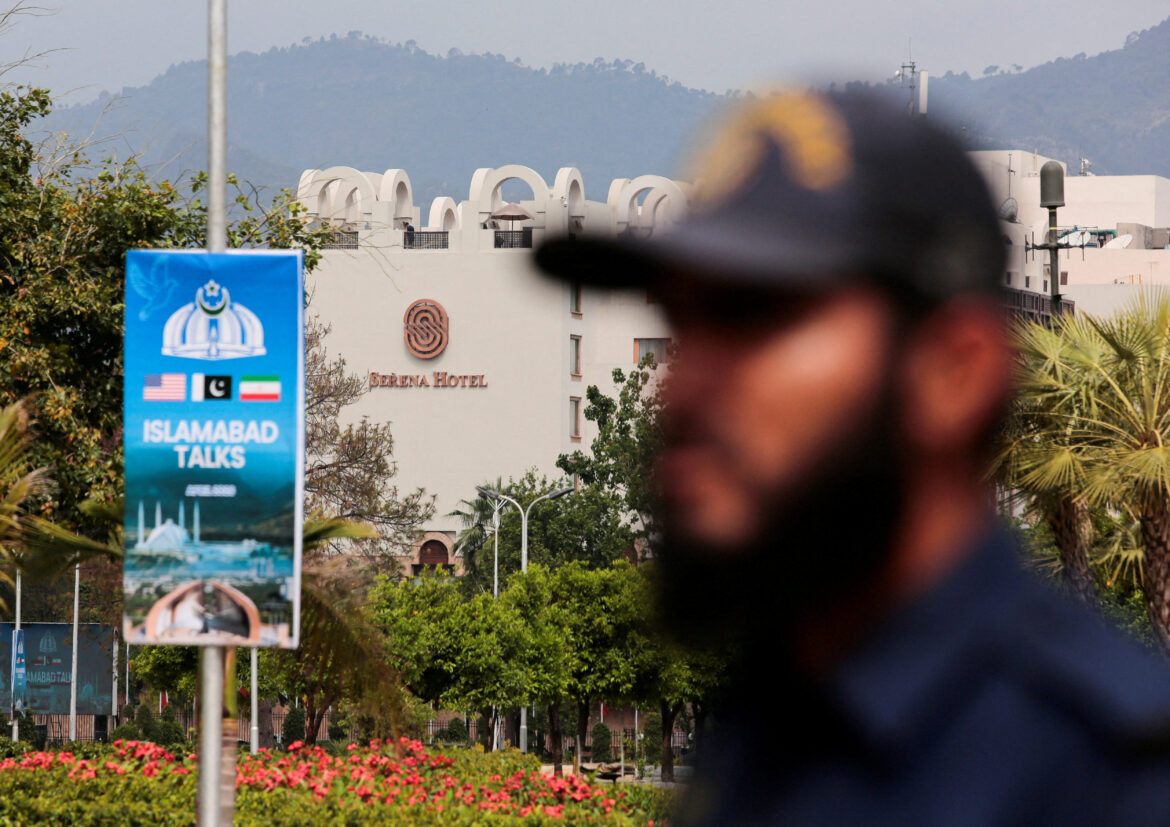
UPDATED: US and Iran meet face to face after decades, testing a fragile path out of war
ISLAMABAD: Direct talks between the United States and Iran, mediated by Pakistan, stretched into a third round on Sunday as teams of experts from both sides pored over one another’s demands in an effort to convert a two-week-old ceasefire into a permanent end to six weeks of devastating conflict.
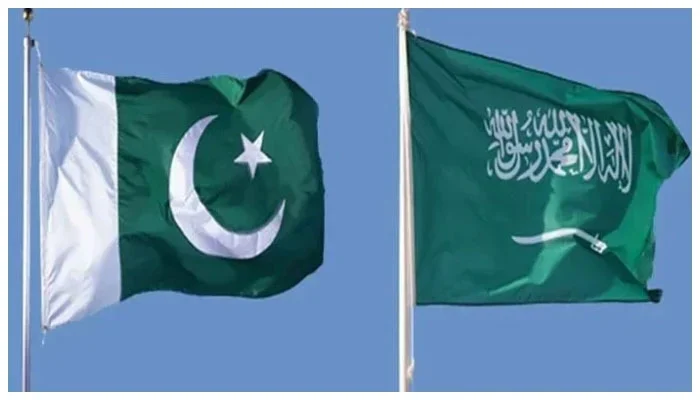
Pakistan dispatches fighter jets to Saudi Arabia under defence pact – reports
ISLAMABAD: Pakistan has dispatched fighter jets and support aircraft to Saudi Arabia, the Saudi defense ministry announced on Saturday, in the latest sign of deepening military ties between the two longtime allies as Islamabad works to broker an end to the conflict with Iran.
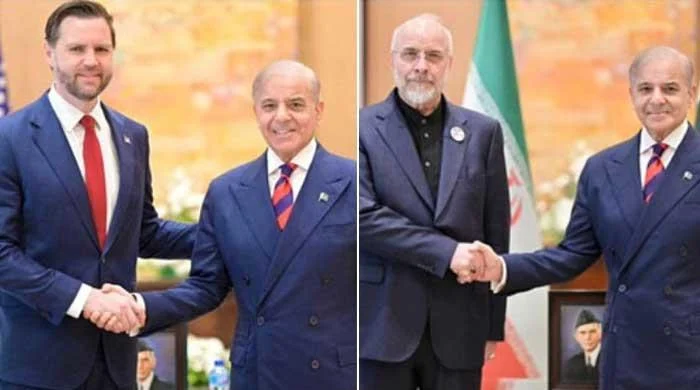
UPDATED: Historic direct US Iran talks begin in Islamabad
By Staff Reporter ISLAMABAD: United States Vice President JD Vance and the Iranian delegation led by Parliament Speaker Mohammad Bagher Ghalibaf began direct face-to-face negotiations
UPDATED: Sharif pushes durable peace as Vance and Ghalibaf converge in Islamabad
ISLAMABAD: Prime Minister Shehbaz Sharif held separate meetings on Saturday with the top American and Iranian delegations as high-stakes negotiations opened here to transform a fragile two-week ceasefire into a lasting end to the six-week Middle East war that has killed thousands, disrupted global energy supplies and shaken the world economy.
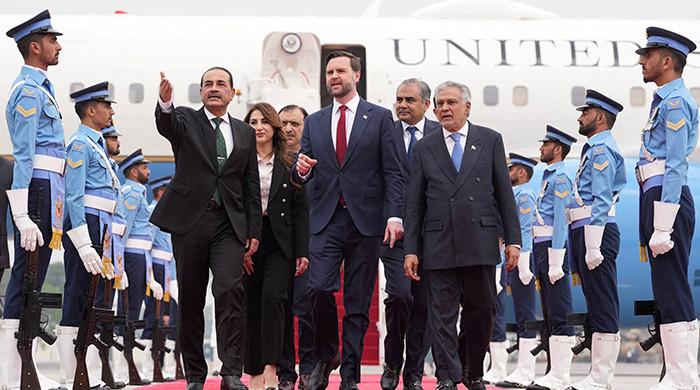
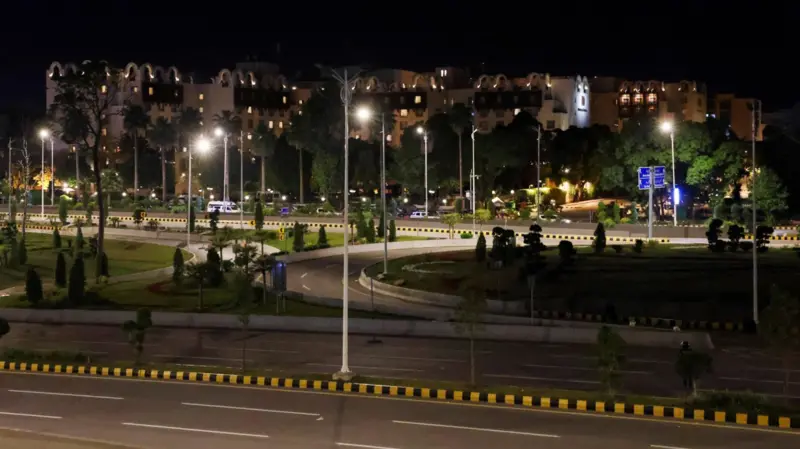
UPDATED – Islamabad braces for historic US-Iran face off
ISLAMABAD: United States Vice President JD Vance and his delegation arrived in Islamabad on Saturday morning for the first direct high-level negotiations between Washington and Tehran since the 1979 Islamic Revolution, as Pakistan seeks to transform a fragile two-week ceasefire into a durable end to six weeks of war.