By Staff Reporter
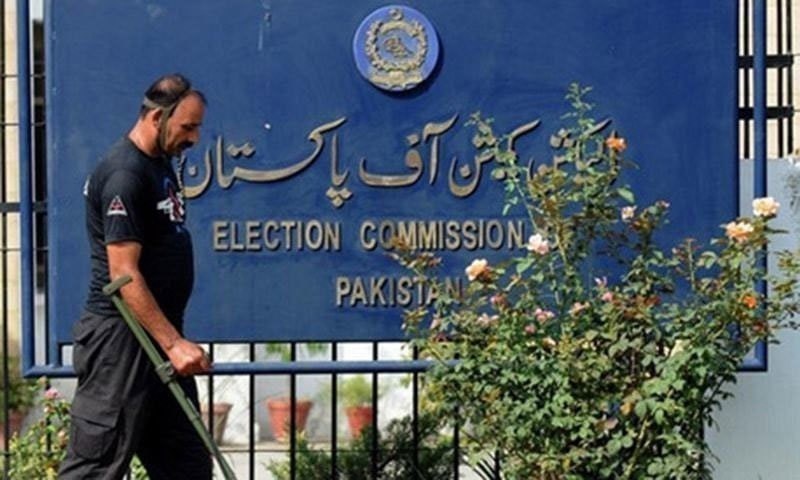
ISLAMABAD: The Election Commission of Pakistan (ECP) said on Thursday 446 lawmakers, including 125 members of the National Assembly, had failed to submit required statements detailing their assets and liabilities by a Dec. 31 deadline, setting up a potential wave of suspensions that could disrupt legislative proceedings across the country.
The commission, in a statement, extended the deadline to Jan. 15 and warned that those who did not comply would face suspension the following day, as mandated by law. The move underscores ongoing efforts to enforce transparency among elected officials in a nation where corruption allegations have long shadowed politics.
Under Section 137 of the Elections Act of 2017, every member of parliament and provincial assemblies must annually submit a statement of assets and liabilities, including those of their spouses and dependent children, based on their holdings as of June 30 of the preceding year. The commission’s statement emphasized that “as many as 446 lawmakers failed to submit their statements of assets and liabilities” by the original cutoff.
The breakdown of noncompliant lawmakers spans the federal and provincial levels: 26 senators, 159 members of the Punjab Assembly, 62 from the Sindh Assembly, 48 from the Khyber Pakhtunkhwa Assembly and 26 from the Balochistan Assembly.
Officials directed them to file the documents during office hours by the new deadline. Failure to meet the extended date will trigger suspensions under Section 137(3) of the act, barring affected lawmakers from participating in their respective bodies until they rectify the lapse. The commission has wielded this authority before; last year, it suspended 139 lawmakers for the same infraction, including two senators from Balochistan — Muhammad Qasim of the Balochistan National Party and Abdul Quddus of the Pakistan Peoples Party.
Among those suspended in 2024 were 16 National Assembly members, 68 from Punjab, 33 from Khyber Pakhtunkhwa, 15 from Sindh and five from Balochistan. They were prohibited from attending sessions, a penalty that highlighted the commission’s commitment to the transparency rules enacted after years of political upheaval and demands for accountability.
Pakistan’s political landscape, marked by frequent shifts in power and accusations of graft, has seen such disclosures become a flashpoint. The requirement aims to prevent conflicts of interest and provide public insight into officials’ finances, though enforcement has varied. The current notice arrives amid broader scrutiny of the government, with opposition parties often citing asset declarations in their critiques of rivals.
Copyright © 2021 Independent Pakistan | All rights reserved