Buy Staff Reporter
ISLAMABAD: Prime Minister Shehbaz Sharif said on Saturday that the government has started disbursing relief funds directly into digital wallets for operators of public transport buses, wagons and freight vehicles, part of a rapid response to cushion the impact of sharply higher petroleum prices.
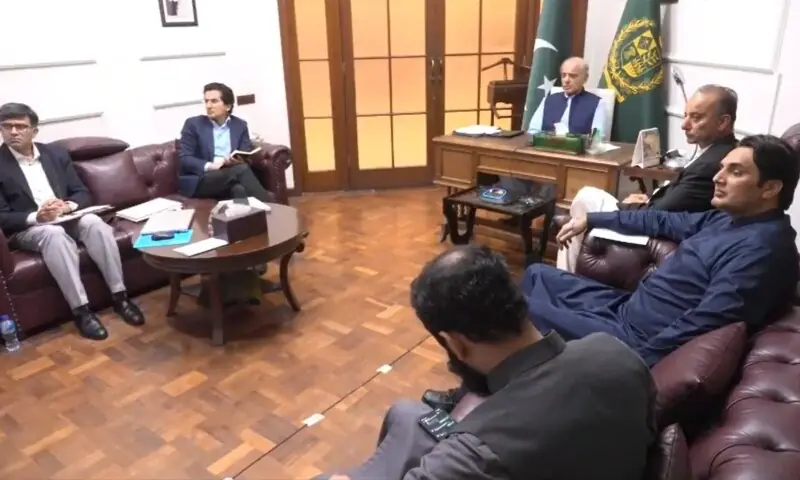
The Prime Minister’s Office announced the development in a post on X, saying Sharif had chaired a high-level meeting to review the country’s petroleum reserves and the implementation of relief measures for citizens hit by the price shock. “The prime minister said that the disbursement of relief funds to individuals operating public transport and freight vehicles had begun through digital wallets,” the PMO said.
Subsidies are now being transferred digitally to public transport buses and wagons as well as goods-transport trucks and freight vehicles under what the government described as an efficient and transparent system, Sharif was quoted as saying. The prime minister added that the government was working to ensure relief reaches economically vulnerable groups as quickly as possible.“We will not abandon our people during difficult times,” Sharif was quoted as saying. “The government’s top priority is providing relief to the people during challenging circumstances. The money saved through government austerity measures will be spent on the public.”
The briefing to Sharif covered the progress of measures introduced after fuel prices were raised in response to higher international oil costs linked to the US-Israeli war on Iran. Officials told the prime minister that adequate reserves of petroleum products are available to meet domestic requirements, according to the PMO.
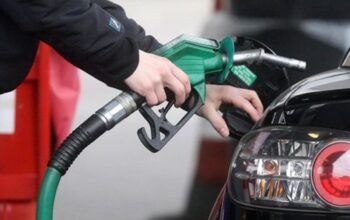
The latest steps follow a turbulent week for fuel policy. The government first increased petrol and diesel prices by 55 rupees a liter on March 6 and announced sweeping austerity measures three days later. Sharif had previously rejected advice to raise prices despite rising global costs on three separate occasions, the PMO has said.
On Thursday the government announced a further steep rise — 43 percent for petrol and 55 percent for high-speed diesel — citing international market pressures. At the same time it unveiled targeted relief: a subsidy of 100 rupees a liter for diesel used in inter-city and goods transport, with prices to be reviewed monthly. Trucks carrying 80-85 percent of food items will receive direct monthly support of 70,000 rupees. Larger transport vehicles will get 80,000 rupees a month, while inter-city public-service vehicles will receive 100,000 rupees a month to help stabilize fares.
Just a day later, Sharif moved to blunt the impact. In a late-night address to the nation, he announced a cut of 80 rupees a liter in the petroleum levy, lowering the price of petrol to 378 rupees a liter. He also said all federal cabinet members would forgo their salaries for the next six months as part of the austerity drive.
The combination of price hikes, targeted subsidies and direct digital transfers marks one of the most aggressive attempts by the Sharif government to manage the fallout from volatile global energy markets while protecting the most exposed parts of the economy.
Copyright © 2021 Independent Pakistan | All rights reserved