By Staff Reporter
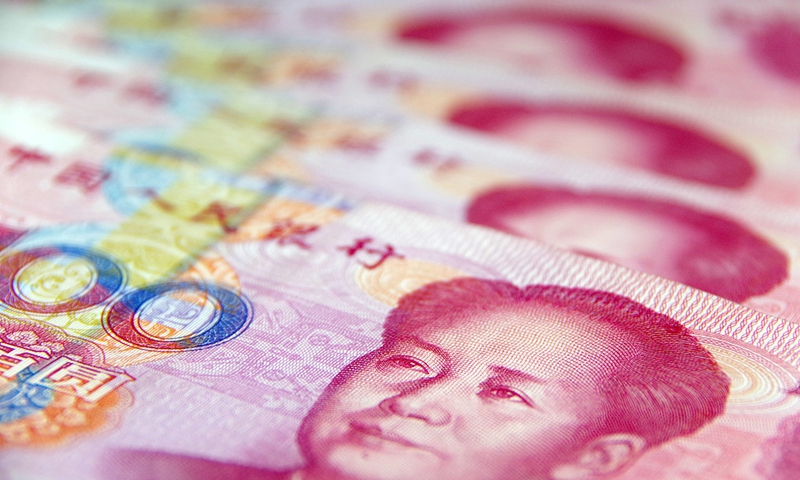
ISLAMABAD: Pakistan is poised to tap Chinese capital markets for the first time with a yuan-denominated bond issue next week, Finance Minister Muhammad Aurangzeb said, as the government moves to strengthen foreign-exchange reserves and broaden its sources of external financing.
“God willing, next week you will hear good news that for the first time, we will be accessing Chinese capital markets through Panda bond,” Aurangzeb told a press conference in Islamabad alongside Petroleum Minister Ali Pervaiz Malik.
The initial $250 million tranche forms part of a broader $1 billion program and will carry guarantees from the Asian Development Bank and the Asian Infrastructure Investment Bank, according to the minister. The move marks Islamabad’s first foray into China’s onshore debt market and comes as Pakistan seeks alternatives to traditional dollar funding amid lingering balance-of-payments pressures.
The South Asian nation has relied heavily on support from friendly countries and multilateral institutions since teetering on the edge of default in 2023. It remains under an International Monetary Fund program that requires economic reforms and tighter fiscal policy. Reuters has previously reported that Pakistani officials have been exploring fresh borrowing avenues in both Chinese and Gulf markets.
Aurangzeb struck an upbeat note on the economy, pointing to recovering exports and remittances even as regional tensions — including the conflict in Iran and disruptions around the Strait of Hormuz — weigh on the country’s energy-import bill. Pakistan depends heavily on imported fuel and liquefied natural gas, leaving it exposed to supply shocks and price swings.
Large-scale manufacturing grew 11% year-on-year in April and posted cumulative expansion of 6.5% in the first nine months of the fiscal year, the minister said. The government now projects gross domestic product growth of about 4% for the full fiscal year, up from 3.1% a year earlier.
Exports rose 9% month-on-month and 14% year-on-year, with gains spread across value-added textiles, information technology and other sectors, Aurangzeb said. Remittances, a key source of foreign exchange, totaled $3.5 billion in April after climbing to $3.8 billion in March during Ramadan, he added. The inflows reflect sustained confidence from overseas Pakistanis despite global economic uncertainty.
Inflows through the Roshan Digital Account — aimed at the diaspora — jumped to $320 million in April, the highest monthly figure since the scheme’s launch. “This is an investment-led discussion,” Aurangzeb said. “Overseas Pakistanis are investing in New Pakistan Certificates, real estate and the stock market.”
The minister’s comments followed the IMF’s release of about $1.32 billion in fresh disbursements under two existing lending programs, providing a timely lift to reserves. Pakistan is also weighing Eurobond issuance, commercial borrowing and additional support from allied nations to replace a $3.5 billion facility from the United Arab Emirates. The government is awaiting $3 billion in further assistance from Saudi Arabia to help close a multi-billion-dollar financing gap and stabilize reserves through the rest of the year.
Copyright © 2021 Independent Pakistan | All rights reserved