By Staff Reporter
ISLAMABAD: The government lowered the retail price of petrol and sharply raised diesel rates on Monday, the latest in a string of adjustments triggered by swings in global oil markets since fighting resumed between Iran and the US earlier this year.
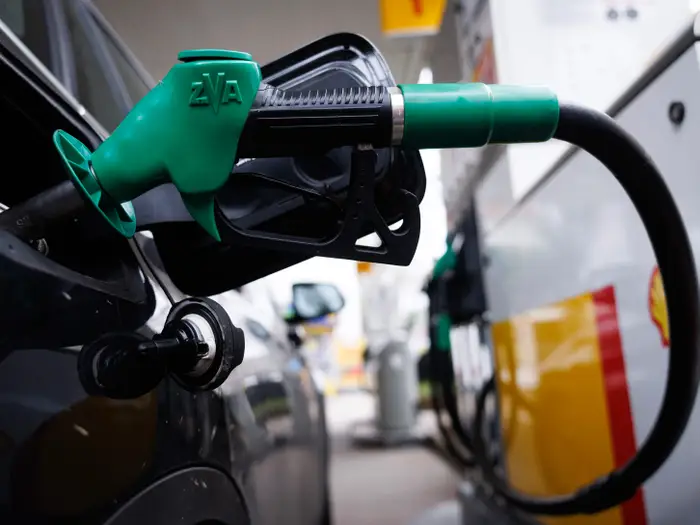
The Petroleum Division cut petrol by 0.35 rupees a litre and lifted high-speed diesel by 5.71 rupees, according to a notification effective Tuesday. Petrol will now sell at 315.80 rupees a litre, while diesel climbs to 360.06 rupees.
The moves mark a partial retreat from the price spikes that followed the outbreak of hostilities on Feb. 28. Diesel, which traded at 281 rupees a litre before the conflict began, surged to a peak of 520.35 rupees on April 3 before easing over subsequent months. Petrol followed a similar arc, rising from 266 rupees in early March to a high of 458.41 rupees on the same April date.
The government has moved to overhaul how it sets fuel prices in response to the volatility. Petroleum Minister Ali Pervaiz Malik said the cabinet and prime minister had agreed to hand daily pricing authority to the Oil and Gas Regulatory Authority, shifting from the weekly revisions that had been in place since early March. Malik cited continued fluctuations in international crude prices tied to the regional conflict as the reason for the change.
Islamabad had already taken steps earlier in the year to cushion the impact on consumers, rolling out fuel-conservation measures alongside the weekly price revisions as it braced for possible supply disruptions from the Middle East fighting. In April, the federal government introduced targeted subsidies aimed at shielding vulnerable segments of the population from the worst of the price swings.
The shift to daily pricing has drawn pushback from fuel retailers. The All Pakistan Dealers Association rejected the change and said it was weighing a protest campaign in the coming week, though it has not detailed what that action would involve.
The price adjustments carry outsized weight for Pakistani households and businesses. Petrol is the fuel of choice for private cars, motorcycles and rickshaws, making it a direct cost pressure on middle- and lower-income consumers. Diesel, by contrast, powers the country’s freight and transport networks as well as power plants and industrial generators, giving its price swings a broader ripple effect across the economy.
Together, petrol and diesel are the backbone of Pakistan’s fuel tax revenue, with combined monthly sales running between 700,000 and 800,000 tonnes. That dwarfs the roughly 10,000 tonnes of kerosene sold each month, underscoring how central the two fuels are to both government revenue and everyday economic activity.
Copyright © 2021 Independent Pakistan | All rights reserved