By Staff Reporter
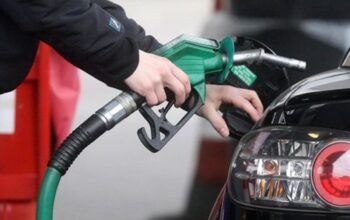
ISLAMABAD: Pakistan is actively considering unfreezing retail prices of petrol and high-speed diesel to bring them in line with global benchmarks, while preparing targeted subsidies for two- and three-wheelers, as jet fuel and kerosene prices have rocketed amid Middle East turmoil.
The move follows an unannounced but sharp escalation in aviation turbine fuel (JP-1) and kerosene rates that has already pushed up domestic airfares and cargo costs, while the government has so far shielded motorists from further increases by absorbing billions of rupees in subsidies.
Officials familiar with the deliberations told Dawn newspaper that the price freeze on petrol and diesel cannot be sustained indefinitely, particularly with two International Monetary Fund program reviews now in abeyance for more than two weeks. “You cannot postpone inflation artificially for long; the more you delay price adjustments, the greater pain you build for the future,” one official said.
Jet fuel prices were raised by Rs84 a liter, or 21.65%, to Rs472 from Rs388 effective March 21, according to official rates reviewed by local media. Since the start of March, JP-1 has climbed nearly 150% from Rs190 a liter. Kerosene prices jumped Rs71 a liter, or about 20%, to Rs429 from Rs358 within a single week and have surged 127% since early March. The increases reflect global energy market volatility triggered by the US-Israel war on Iran.
Petrol and high-speed diesel, by contrast, have been held steady in recent weeks after an initial Rs55-a-liter hike on both fuels. The government has allocated about Rs69 billion in subsidies to cover subsequent cost increases, diverting funds from development projects and emergency reserves earmarked for natural disasters. Authorities are currently absorbing roughly Rs175 a liter on diesel and Rs75 a liter on petrol, while still meeting their petroleum levy revenue targets.
A special cabinet committee formed by the prime minister to monitor petroleum prices and the energy supply situation met this week and reviewed the widening gap between international and domestic prices. The panel, chaired by Finance Minister Muhammad Aurangzeb, also examined a proposal to replace blanket price caps with targeted fuel subsidies directed at two- and three-wheelers. “The government is actively evaluating price divergence between international and domestic markets to support balanced and timely policy calibration,” the committee said in a statement after the meeting.
Petroleum inventories remain comfortable, officials said, supported by secured imports and steady refinery output. March and April shipments are largely in place, with additional cargoes planned to bolster reserves. Refineries are running at normal throughput, and supply chains across the country are functioning without disruption, according to the committee’s assessment of national stocks and global benchmarks.
Airfares Climb as Fuel Costs Bite
The surge in jet fuel — which typically accounts for 30-40% of airline operating expenses — is already feeding through to ticket prices on both domestic and international routes. Aviation industry executives said carriers have raised fares by 20-30% in recent weeks, with further increases likely if global oil prices keep climbing. Domestic ticket prices have increased by Rs10,000 to Rs15,000, while international fares have gone up by Rs30,000 to Rs40,000, an aviation official told local reporters. Routes to Europe have been hit particularly hard because of restricted airspace and the need to reroute through the Gulf region.
Travel agents reported sharp spikes on specific itineraries. A Lahore-to-Denmark ticket via Dubai that previously cost Rs400,000 was selling last week for Rs1 million via Turkey because of the air-traffic chaos over Gulf countries, according to the owner of one agency.
Flying schools and pilot-training centers are also facing mounting costs. “How can Pakistani airlines avoid passing on additional costs to passengers for long?” one aviation expert said. “The training cost of pilots has significantly increased due to the surge in jet fuel prices.”
Pakistan International Airlines and other carriers have canceled around 325 flights since the Middle East conflict began, including about 200 operated by the national flag carrier, a PIA spokesperson said. Services to Kuwait, Qatar, Dubai and Bahrain remain suspended, while flights to Fujairah, Al-Ain and Saudi Arabia continue as scheduled. Base airfares have not been raised, but fuel surcharges ranging from $10 to $100 have been introduced.
Passenger traffic from Saudi Arabia and the UAE remains strong, the spokesperson said, but flows from Pakistan to the Gulf have declined. Traffic to Europe has held up despite higher costs caused by longer detours around troubled airspace.
Cargo Pain for Exporters
Exporters are also feeling the pinch. The Pakistan Fruit and Vegetable Exporters Association said ground-handling companies have imposed an additional Rs50 per kilogram charge on air shipments. The levy is already disrupting fruit and vegetable exports and will cause financial losses, the association warned. The finance minister directed authorities at this week’s meeting to maintain close monitoring of international markets, domestic stock levels and supply chains. A detailed presentation on global price signals and their potential transmission to Pakistan’s economy underscored the committee’s focus on operational readiness across the energy sector.
Any decision to lift the petrol and diesel freeze would mark a significant policy shift for the cash-strapped government, which has been trying to balance consumer protection during the holy month of Ramazan with fiscal discipline demanded by the IMF. Officials said the review of the two IMF programs remains on hold while the cabinet weighs its next steps.
Copyright © 2021 Independent Pakistan | All rights reserved