By Staff Reporter
KARACHI: Pakistan’s economy is facing mounting losses from a nationwide transporters’ strike now in its 10th day, with industrialists warning of up to $1 billion in damage and threats to macroeconomic stability as negotiations with government officials stretch late into the night.
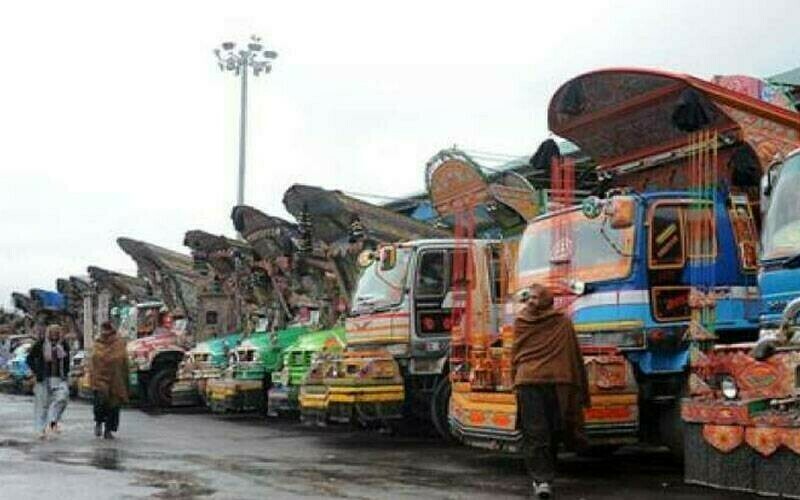
The walkout, triggered by stricter axle-load limits, higher toll taxes and aggressive highway policing, has paralysed freight movement, stranding thousands of containers at ports and disrupting supply chains for exports, imports and essential goods. Trucking handles the bulk of the nation’s logistics, ferrying everything from textiles to medicines across industrial hubs and markets.
“We are expecting a tremendous impact of the ongoing transportation strike,” said Ahsan Mehanti, chief executive officer of Arif Habib Commodities. “I believe that the major impact could be to the tune of $1 billion. And the reason behind that is primarily Karachi being a business hub will be most impacted with the ongoing strike.”
Talks involving transporters and representatives from the federal and Punjab governments, along with the ministries of ports and shipping and communications, the motorway police, the National Highway Authority and senior officials from the Federal Board of Revenue and Customs, were continuing as of late Tuesday.
Transporters claimed the governments had acknowledged their demands as justified, which include designated parking for goods carriers near Karachi Port Trust and issues tied to licensing and operating 25- to 30-year-old vehicles.
Earlier, the Transporters’ Goods Association told a Sindh government committee in Karachi that the shutdown would persist until their charter of demands was met. While the All Pakistan Goods Transport Association ended its participation after talks with Punjab authorities last Friday, other groups have pledged to keep up the disruption.
The halt has hammered exporters, particularly in textiles, which account for the lion’s share of Pakistan’s foreign earnings. Daily export losses stand at about $92 million, with the sector alone losing $52 million a day, according to Muhammad Jawed Bilwani, chief coordinator of the Pakistan Hosiery Manufacturers and Exporters Association. Monthly exports average $2.849 billion overall, with textiles at $1.617 billion.
Bilwani called the port standstill “economic sabotage,” saying it had pushed the national supply chain toward collapse, forcing exporters to eye expensive air shipments to avoid missing deadlines. “Heavy and irreparable” economic damage loomed without swift action, he added, noting thousands of containers were stuck onshore while hundreds more floated at sea awaiting berths.
Kamran Arshad, chairman of the All Pakistan Textile Mills Association, pegged daily industry losses at more than $60 million, totaling $540 million over nine days, plus demurrage and detention fees of up to $300 per container. Raw materials were trapped at ports, preventing delivery to factories, while finished goods piled up in mills and depots, building backlogs. “Containers are stuck at mills, ports and depots and inventories are building up,” Arshad said. “And backlogs are growing by the day.”
Khurram Mukhtar, patron-in-chief of the Pakistan Textile Exporters Association, estimated $400 million in export losses from an eight-day shutdown, compounded by supply disruptions. Beyond finances, the strike inflicted “serious reputational damage” on traders, risking order cancellations and lost buyers, Arshad warned. “Once a buyer is lost, it is extremely difficult to regain their confidence.”
Atif Ikram Sheikh, president of the Federation of Pakistan Chambers of Commerce and Industry, highlighted severe freight bottlenecks at ports, with imports idled and exports delayed. Muhammad Ikram Rajput, president of the Korangi Association of Trade and Industry, said the impasse had become “unbearable” amid existing pressures from high energy costs, elevated interest rates and soft demand.
Nadeem Bukhari, chairman of the Pakistan Leather Garments Manufacturers and Exporters Association, acknowledged the value of road safety reforms but decried the abrupt freight chaos for export industries.
The fallout extended to healthcare, with medicine supplies faltering nationwide. Shortages hit cities and towns as products from Karachi and Lahore failed to reach pharmacies and facilities, raising alarms for chronic patients amid a flu surge.
Tauqeerul Haq of the Pakistan Pharmaceutical Manufacturers Association reported low stocks of drugs for diabetes, hypertension, cardiovascular issues and mental health, with production slowing as warehouses overflowed and raw materials stalled. Abdul Samad Budhani, chairman of the Pakistan Chemists and Druggists Association, noted delivery failures prompting patient complaints. Balochistan suffered most, with 80% of its medicines sourced from Karachi, leading to deficits in Quetta and beyond, said Malik Roohullah Kakar, president of the province’s Medicines Traders Association.
Rehan Hanif, president of the Karachi Chamber of Commerce and Industry, said exports were “going to take a big hit,” urging immediate dialogue on transporters’ “genuine” demands to clear port backlogs. Daily losses ran into billions of rupees, he added, warning of space shortages if the strike lingered.
The strike compounds Pakistan’s trade woes. Exports dropped 15% to $2.4 billion in November, per the Pakistan Bureau of Statistics, with July-November shipments down 6% to $12.8 billion against a 13% import jump to $28.3 billion, swelling the deficit 37% to $15.5 billion. Inflation climbed 6.1% last month, on track for the central bank’s 5%-7% target this fiscal year ending June. October’s current account swung to a $112 million deficit from September’s $83 million surplus.
Copyright © 2021 Independent Pakistan | All rights reserved