
ISLAMABAD: Pakistan has made meaningful progress toward decentralising fiscal power to its provinces since 2010 but continues to deviate from international norms in critical areas, including the formula used to divide tax revenue between the federal government and the provinces, the World Bank said in a report published on Tuesday.
Economy
Govt borrowing exceeds last year’s full-year total in 11 months – SBP
KARACHI: The government borrowed more from commercial banks in the first eleven months and change of the current fiscal year than it did in the whole of FY25, with State Bank data released on Tuesday showing a fresh burst of borrowing in the week before the fiscal year-end.
FBR tops revised tax target with record Rs13 trillion in FY26 collections
ISLAMABAD: The tax authority collected more than 13 trillion rupees ($46 billion) in the fiscal year that ended on Tuesday, surpassing a downwardly revised target and clearing a benchmark set by the International Monetary Fund, the Federal Board of Revenue said.
Pakistan sees inflation relief in FY27 as Hormuz reopening eases price pressures
ISLAMABAD: Pakistan expects inflationary pressure to ease in the 2026-27 fiscal year after peaking near 12% in June, as the reopening of the Strait of Hormuz and a broader de-escalation in the Middle East help bring down global oil prices, the finance ministry said.
Pakistan sets Jan 2028 deadline for interest-free banking shift, outlines transition roadmap
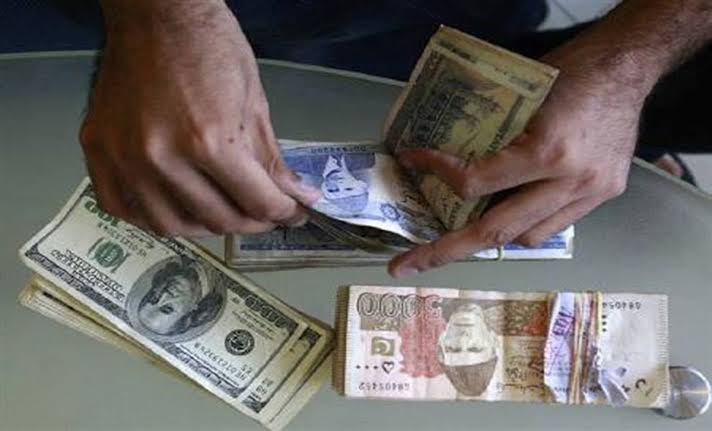
ISLAMABAD: The Ministry of Finance has finalised a strategy to steer the country’s financial system away from interest-based transactions, mandating that all new loans and financial contracts be structured on a Shariah-compliant basis starting Jan. 1, 2028, according to a policy paper.
Inflation seen easing in June as oil prices retreat, core pressures persist
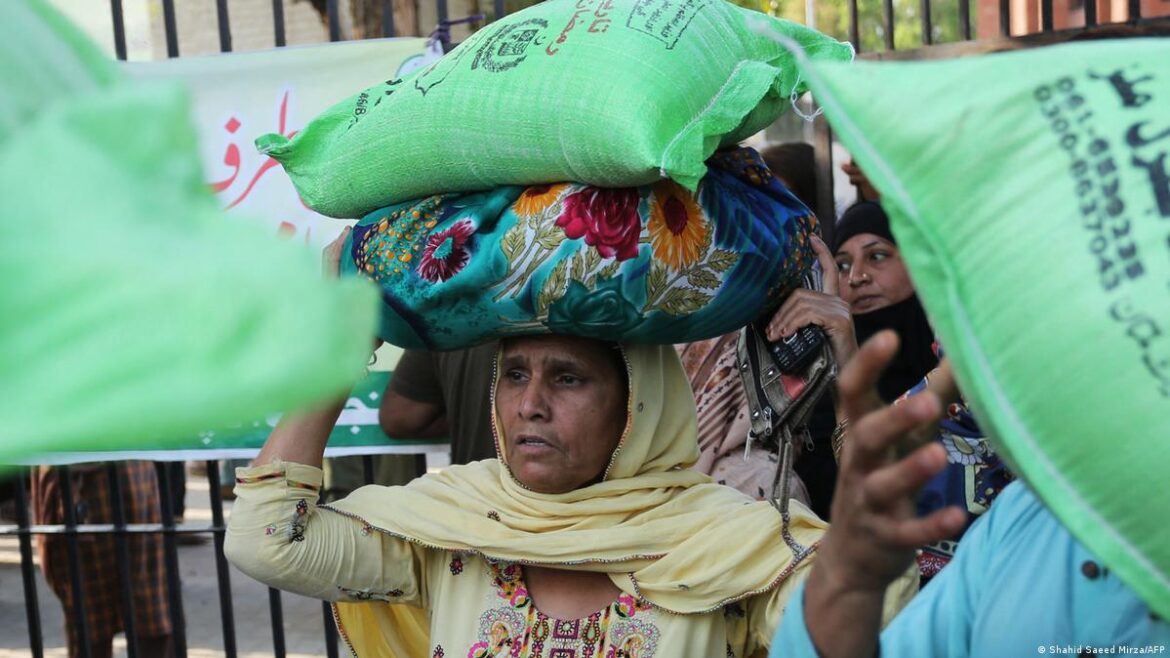
KARACHI: Pakistan’s annual inflation rate is expected to moderate slightly in June, as falling global oil prices following a partial reopening of the Strait of Hormuz offset persistent increases in food costs, according to forecasts from two of the country’s leading brokerages released this week.
Behind a frozen Indus Waters Treaty, Pakistan warns the world of what comes next
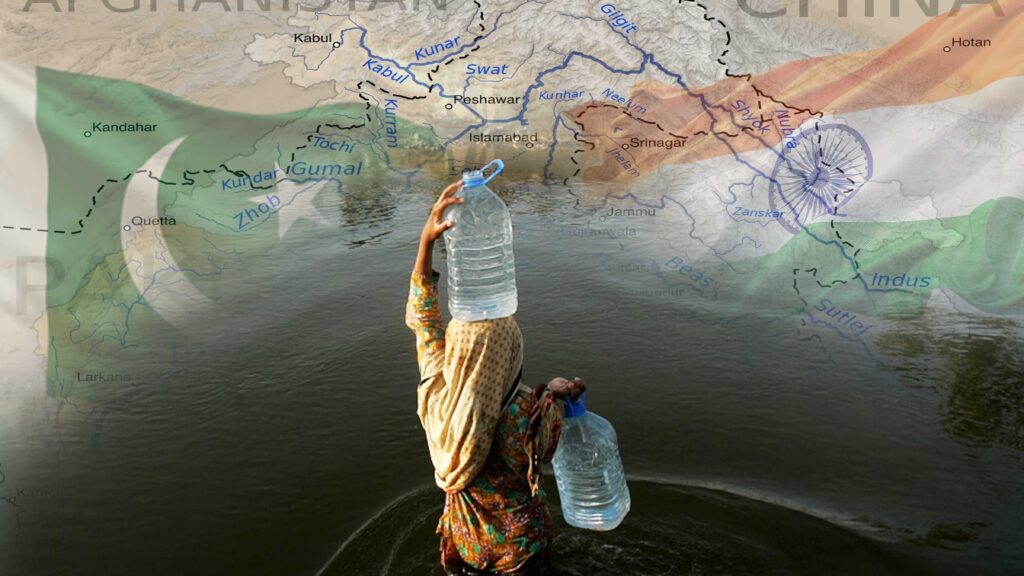
ISLAMABAD: The Indus Waters Treaty has long stood as proof that two nuclear-armed rivals, locked for generations in dispute over Kashmir, could still manage to share a river. On Tuesday, in a packed hall at the Jinnah Convention Centre, a parade of Pakistan’s most senior officials argued that the 1960 agreement is now in genuine jeopardy, and asked the world to take notice before the damage spreads beyond South Asia.

Pakistan sets up petroleum stabilisation fund after Iran war price shock
ISLAMABAD: The finance ministry has notified a new government account to anchor a price stabilisation fund for petroleum products, formalising a mechanism the cabinet approved earlier this month to soften the impact of volatile global oil prices on consumers.
Pakistan unveils draft policy declaring government data a national asset, opens public consultation
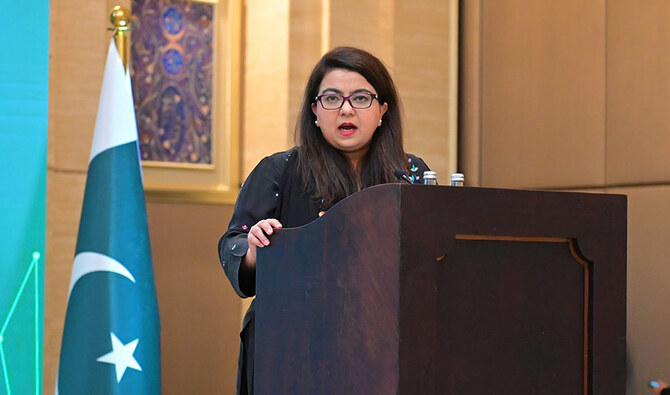
ISLAMABAD: The Ministry of Information Technology and Telecommunication has published a draft Data Governance Policy for 2026, opening it to public comment and casting government-held data as a strategic national asset that must be managed in trust for citizens rather than treated as the property of the agencies that hold it.
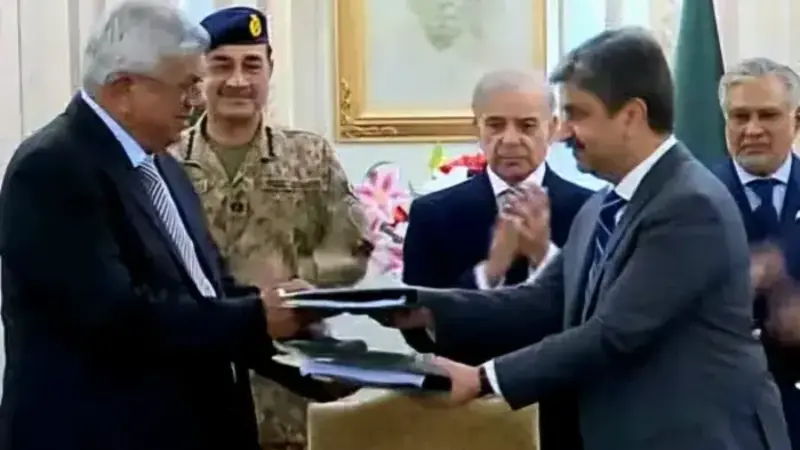
Pakistan hands PIA management to Arif Habib-led consortium in landmark privatization
ISLAMABAD: Pakistan formally handed over management control of its loss-making national carrier to a private consortium on Monday, marking the most significant privatisation in the country’s history and ending years of attempts to offload the debt-laden airline.