
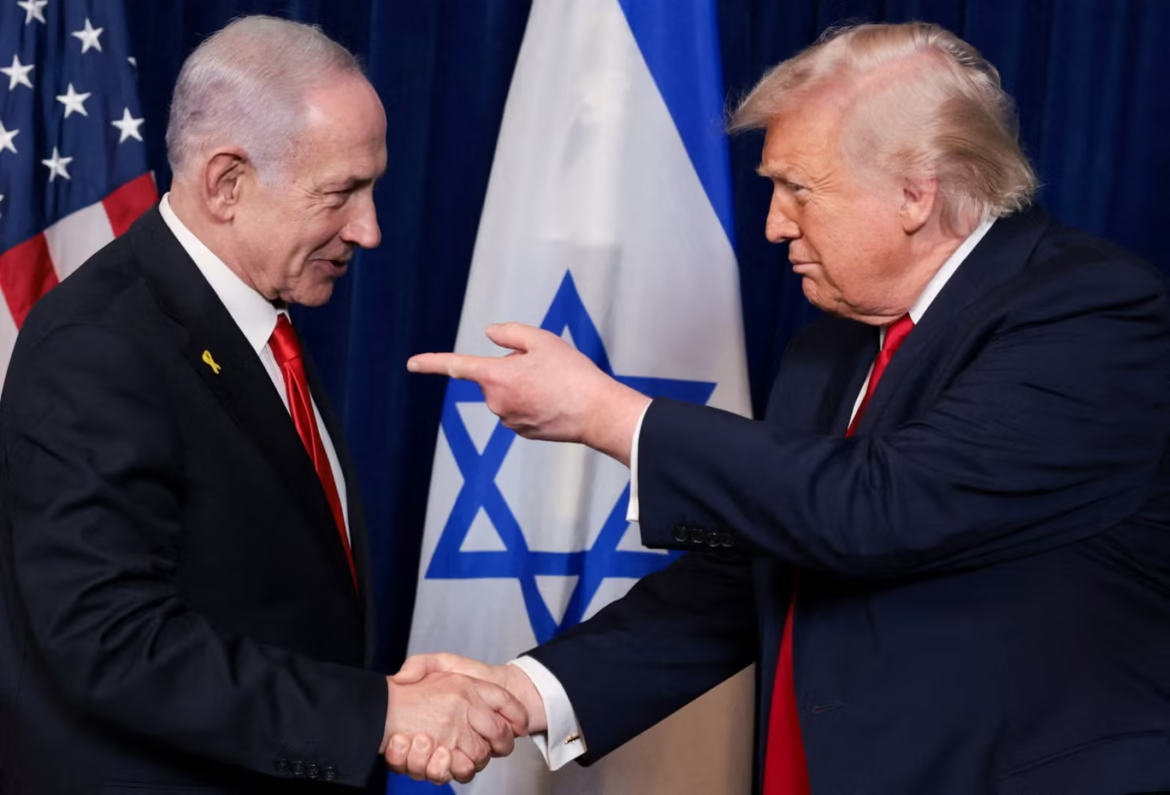
Three months after launching a war he couldn’t win, Donald Trump is trying to reframe catastrophic strategic failure as the dawn of a new Middle East. The silence from Muslim leaders on that Saturday phone call told us everything we need to know
Op-Ed
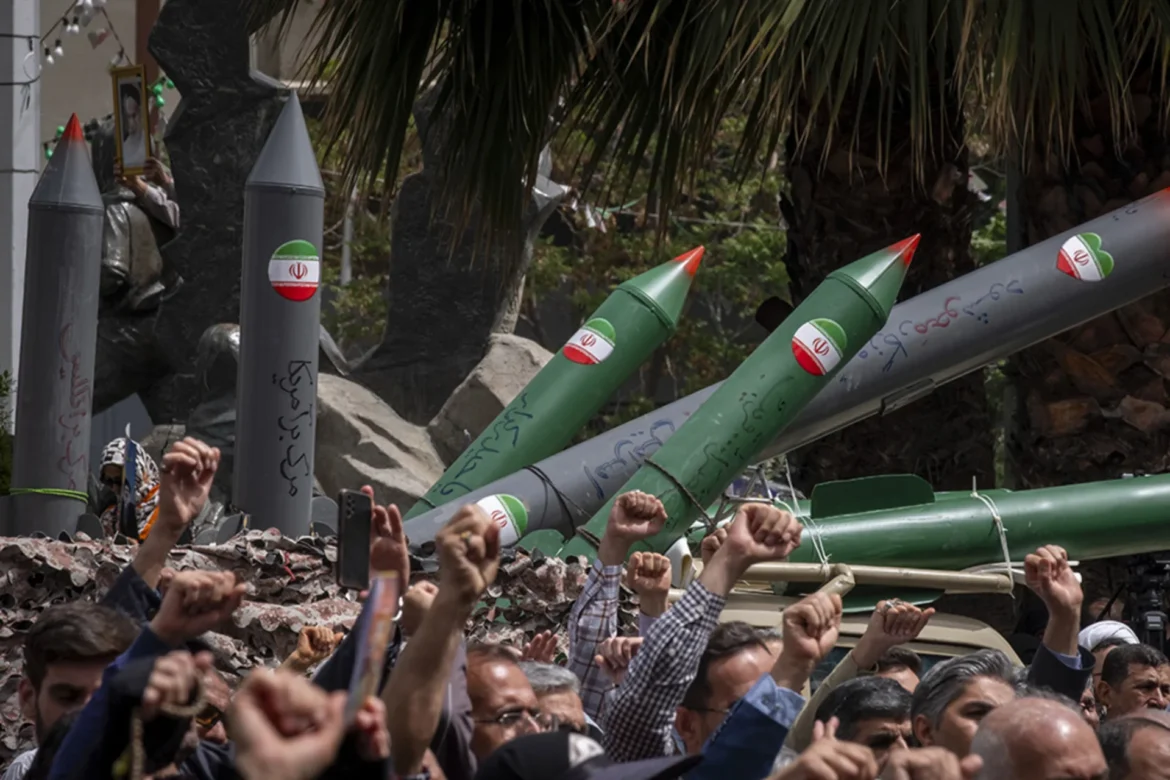
The Deal Trump Couldn’t Make — and Now Can’t Afford to Lose
On Saturday, Donald Trump announced, with his characteristic fanfare and his characteristic imprecision, that a peace deal with Iran had been “largely negotiated.” The Strait of Hormuz would reopen. A memorandum of understanding was being finalised. Details would come “shortly.” The president, it appeared, was on the cusp of something historic.

Fifty-Six Days of Ceasefire, Zero Days of Clarity
There is a particular cruelty to diplomatic purgatory — that uncertain space between war and peace where the bombs have temporarily stopped falling but nothing has actually been resolved, where envoys shuttle between capitals under the weight of catastrophe that neither side quite has the nerve to either prevent or complete. That is precisely where the United States finds itself today, fifty-six days into a ceasefire that is not really a ceasefire, negotiating a peace that neither party appears structurally capable of making.
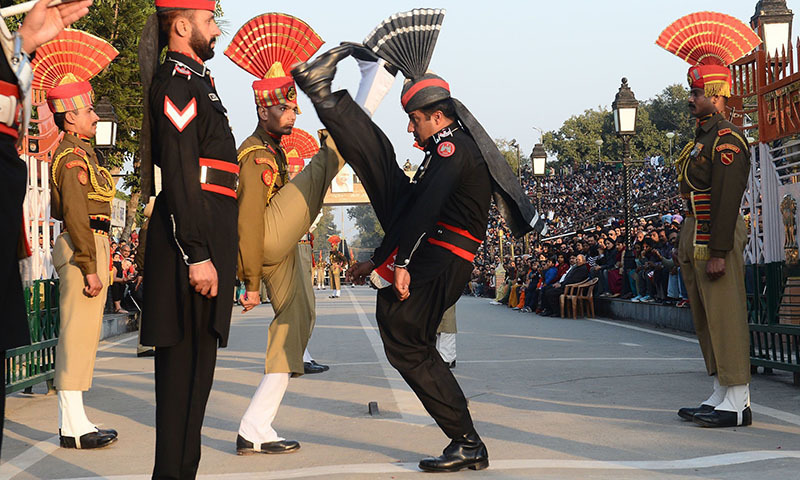
A year of fragile truce: both sides learned exactly the wrong lessons from May 2025 war
A year ago this week, missiles and drones lit up the night skies over Punjab and Kashmir, and for four days the world held its breath. Two nuclear-armed neighbours, locked in the oldest and most dangerous rivalry on the planet, traded blows in a conflict that was neither quite war nor quite peace. India called its operation Sindoor; Pakistan answered with Bunyanum Marsoos. More than 70 people died. Then, on 10 May 2025, a ceasefire was announced – brokered, with characteristic self-congratulation, by Donald Trump. The guns fell silent. The underlying grievances did not.
An Unwinnable War
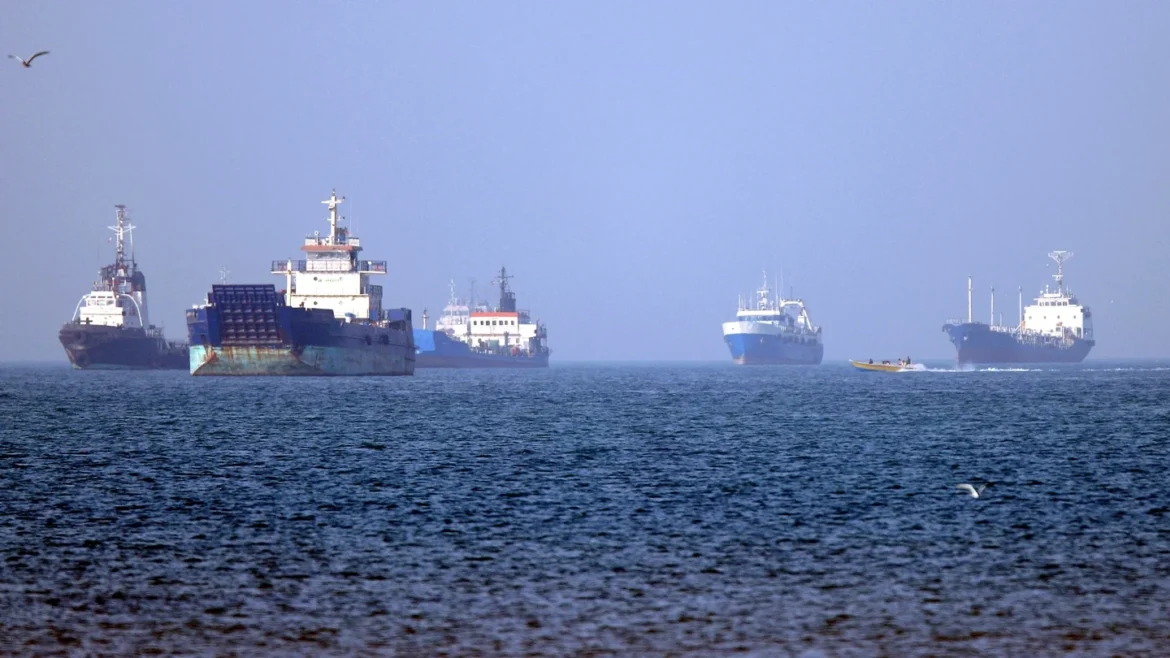
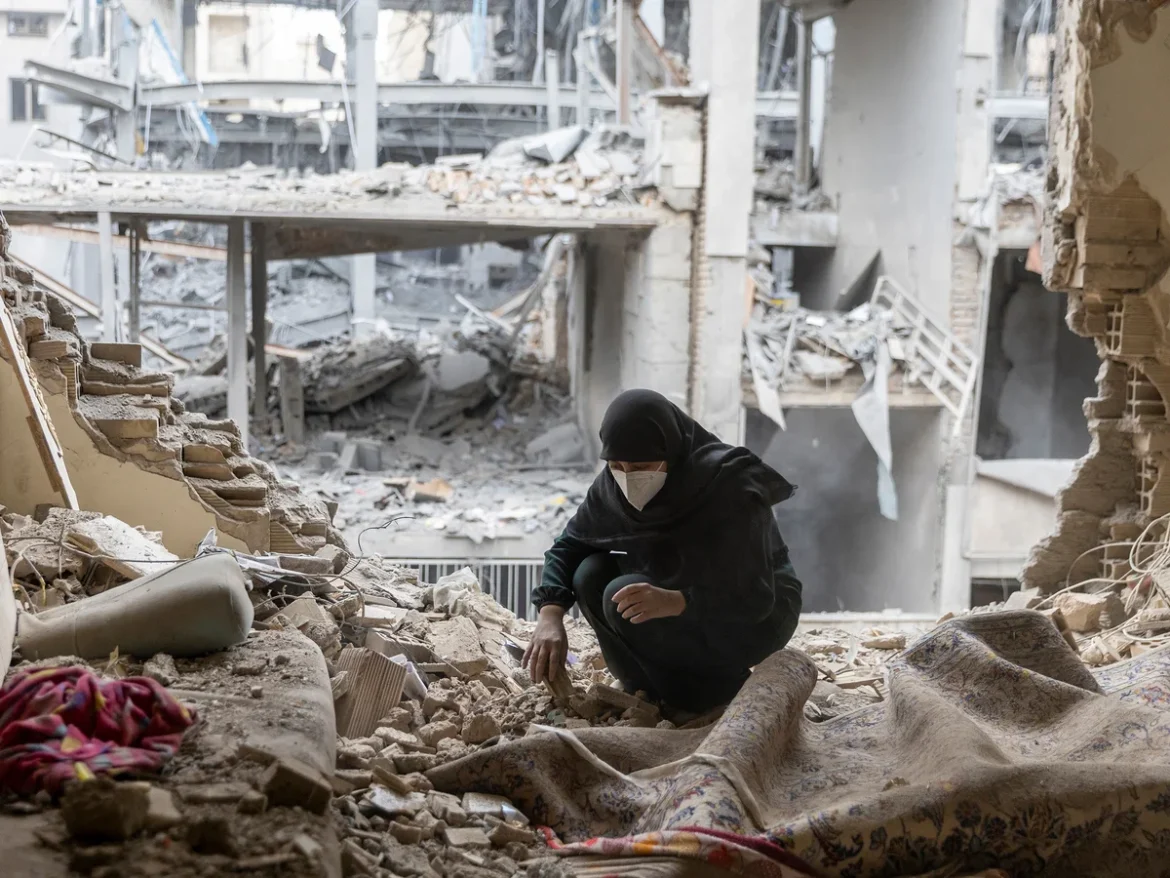
President Donald Trump’s announcement on Tuesday evening that the United States would suspend “Project Freedom” — the naval escort operation launched only days earlier to reopen the Strait of Hormuz — came wrapped in the usual language of strength. “Great progress” had been made, he said. Toward a deal, Pakistan had asked, “tremendous military success.” The blockade of Iranian ports would remain. And the decision directly contradicted the message his own senior officials had spent the day delivering: that the ceasefire held, that Iranian actions remained below the threshold for renewed fighting, and that the operation was both limited and necessary to free 20,000 stranded sailors and restore the flow of one-fifth of the world’s oil. This is not the decisive leadership the administration projected when it joined Israel in Operation Epic Fury in late February. A superpower that helped kill a supreme leader and promised generational destruction of Iran’s capabilities has now blinked after one day of real pushback in the Strait. It is the acknowledgment, however reluctant, that military pressure has run into the hard limits of geography, economics, and politics. The Strait of Hormuz still carries one-fifth of the world’s oil and liquefied natural gas. Iran’s threat to mine it, patrol it with fast boats, and harass shipping has turned that waterway into the single most effective lever Tehran possesses. The United States, for all its air power and naval presence, has been unable to break that grip without risking the very global economic disruption it set out to prevent.
The Dangerous Stalemate in the Gulf
Two months after American and Israeli forces first struck Iranian targets, the conflict has settled into a tense and unstable pause. A ceasefire reached on April 7 has been held, with no exchanges of fire since. But the Strait of Hormuz remains closed to most shipping, the United States Navy continues its blockade of Iranian oil ports, and global energy markets are on edge. Oil prices have climbed above $120 a barrel at times, gasoline costs in the United States are rising, and the United Nations secretary-general has warned that a prolonged chokehold on this vital waterway will drag down global growth, fuel inflation, and push tens of millions more people into poverty and hunger.
Washington and Tehran Need an Off-Ramp Before It’s Too Late
The United States and Iran are locked in a dangerous limbo. A two-month war that began with joint US-Israeli strikes on Feb. 28 has killed thousands, shattered economies across the Gulf, and sent global energy prices soaring. A ceasefire brokered by Pakistan on April 8 has held, but barely. Now President Donald Trump has ordered his national security team to prepare a prolonged naval blockade of Iranian ports, a decision reached in recent Situation Room meetings and confirmed by US officials to The Wall Street Journal. At the same time, Tehran has floated a proposal to reopen the Strait of Hormuz in exchange for lifting that very blockade, while postponing any immediate reckoning over its nuclear program.
The Clock Is Ticking
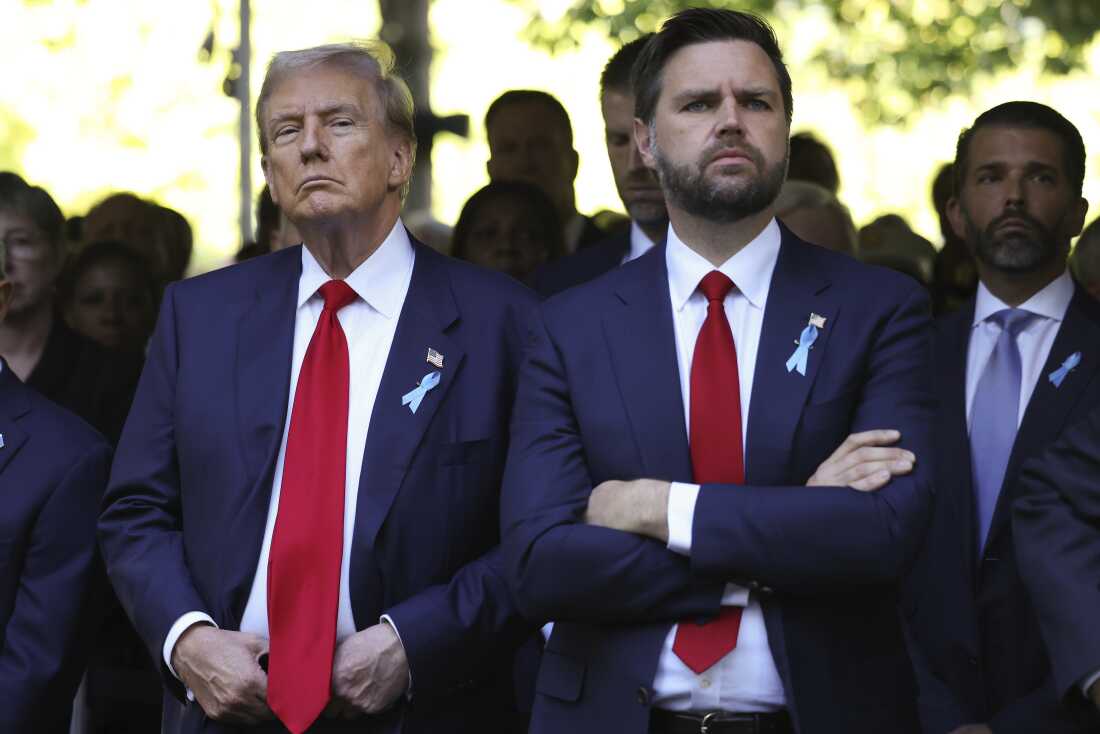
As May 1 approaches, the United States finds itself at a constitutional crossroads of its own making. Two months ago President Donald Trump notified Congress that American forces had entered hostilities with Iran. Under the 1973 War Powers Resolution, that notification started a 60-day clock. When it expires this Thursday, the law is unambiguous: absent congressional authorization, the president must end the operations. The fragile ceasefire does not change that. The naval blockade of Iranian ports keeps US ships and sailors legally in a state of hostilities. Trump has made clear he has no intention of complying.
Endgame Without End
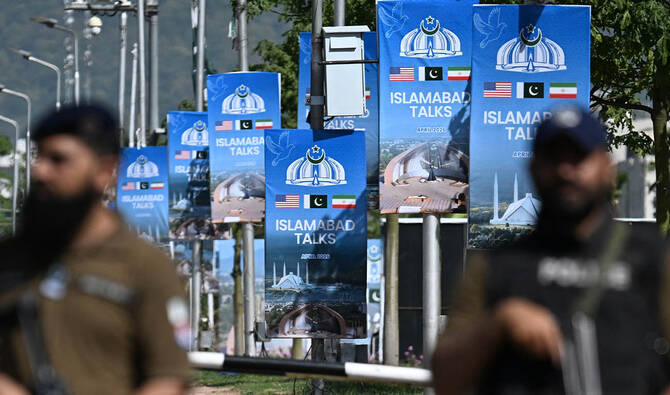
Eight weeks after the United States and Israel launched their war against Iran on February 28, the conflict has settled into precisely the kind of grinding, expensive impasse that Donald Trump once boasted he would never tolerate. American aircraft carriers patrol the Persian Gulf. Iranian ports are under naval blockade. The Strait of Hormuz — the narrow throat through which one-fifth of the world’s oil and liquefied natural gas once moved — is contested by both sides. Oil prices remain roughly 40 percent above prewar levels. Supply chains for fertilizer, petrochemicals, plastics, and agricultural goods are snarled from Asia to Europe. And this weekend, in the Pakistani capital of Islamabad, the two governments are once again circling each other through intermediaries, each insisting it is negotiating from strength while privately acknowledging that neither can prevail on the battlefield or in the marketplace.
A New Gulf Order?
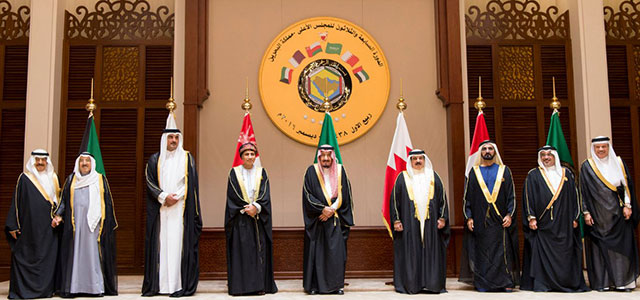
The war the United States and Israel launched against Iran in February was sold as a limited operation to degrade a nuclear threat. It has become something far more consequential: a wrecking ball swung through the fragile security architecture of the Persian Gulf. For the six monarchies of the Gulf Cooperation Council, the conflict did not simply interrupt their carefully calibrated balancing act between Washington, Tehran, and their own divergent interests. It exposed the act itself as unsustainable. The economic damage is already staggering and grotesquely uneven. Iran’s closure of the Strait of Hormuz — the conduit for roughly one-fifth of global oil and liquefied natural gas — produced what the International Energy Agency called the largest supply shock in the history of the energy market. More than 12 million barrels a day were shut in. Some 40 energy facilities were damaged or forced offline. Brent crude jumped 60 percent in March, the largest monthly increase on record. But the windfall did not flow evenly. Iran’s oil revenues rose 37 percent. Oman’s climbed 26 percent. Saudi Arabia eked out a 4.3 percent gain, thanks to the 1,200-kilometer East-West pipeline constructed during the Iran-Iraq War, now running at full 5-million-barrel-a-day capacity to the Red Sea port of Yanbu. The United Arab Emirates found partial shelter in its Habshan-Fujairah bypass. Iraq and Kuwait, with no viable alternatives, watched export revenues collapse by roughly three-quarters. Qatar’s Ras Laffan complex, a cornerstone of global LNG supply, suffered strikes that could require years of repairs. Non-oil sectors — aviation, tourism, logistics, even the desalination plants that turn seawater into drinking water — were hit directly. Food imports that normally move through the strait were thrown into crisis. The International Monetary Fund has now slashed its growth forecast for the Gulf Cooperation Council to 2 percent this year, down from 4.3 percent before the fighting began. For the broader Middle East and North Africa, the outlook is even grimmer: 1.1 percent growth, 2.8 percentage points below prewar projections. IMF Middle East director Jihad Azour noted that the shock extends beyond crude: fertilizer exports, specialty chemicals, and the region’s role as a logistics and aviation hub have all been disrupted. These are not temporary price spikes. They are structural scars on economies that have spent years trying to reduce their dependence on oil.