

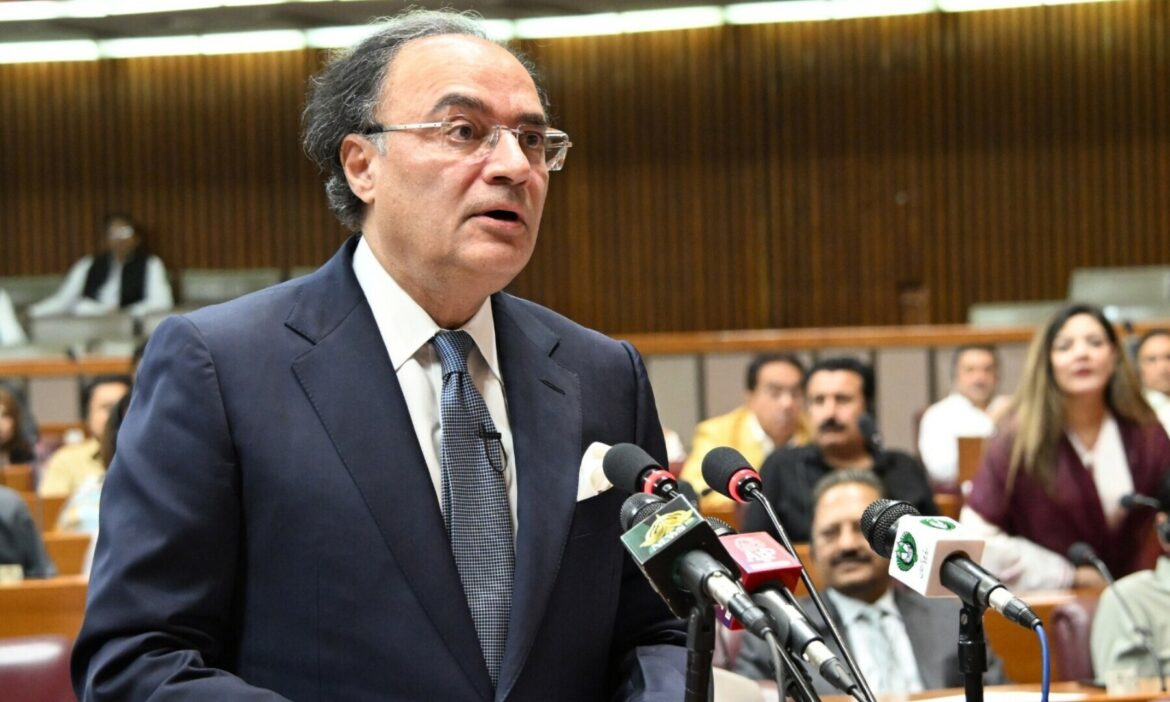
Finance Minister Muhammad Aurangzeb has presented his government’s third consecutive IMF-compliant budget, and the central fact about it is the simplest one: nothing in its design points toward growth. The deficit target of 3.6 per cent of GDP and the 4 per cent growth projection sit comfortably within the Fund’s parameters, as they were always going to. That is not a criticism of the finance ministry’s competence. It is a description of what an IMF programme is for. The Fund’s mandate is external balance, not expansion. A government operating under it can manage a crisis. It cannot, by the terms of the arrangement, choose to grow faster than the programme allows.
Op-Ed
Budget delivers what the IMF wants, not what the people need
Pakistan’s budget today will be framed as the dividend of two years’ hard stabilisation work. A day earlier, the economic survey supported that framing: GDP grew 3.7 percent, the economy reached a record Rs126.87tn ($452.1bn), inflation fell from 23.4 percent to single digits, and the fiscal deficit narrowed to levels the finance ministry calls the best in decades. By the standard measures of macroeconomic management, Pakistan has had a good year, and the finance ministry is not wrong to say so.

Pakistan’s Stability Trap
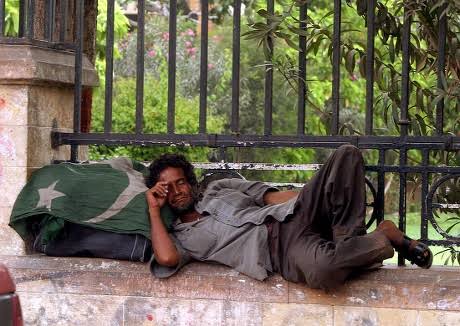
There is a particular kind of economic failure that is hardest to fix: not the dramatic kind, with a collapsing currency and queues at the central bank, but the quiet kind, where just enough has been done to remove the urgency for doing more. Pakistan has arrived, with some effort and genuine sacrifice, at exactly that dangerous place.
A protection racket
Sometime in the next few days, the finance minister will stand before the parliament and deliver a budget speech that will include, as it has every year for at least two decades, a solemn commitment to broaden the tax base. There will be new mechanisms announced, fresh enforcement pledges made, perhaps a digital initiative or two. The FBR will be modernised again. The informal economy will be brought in from the cold, again. And next year, the same speech will be delivered again.
Five trillion rupees, and the roads still have potholes
There is a particular dishonesty embedded in the way Pakistan discusses its finances each budget season. The conversation is almost entirely about the intake side — tax-to-GDP ratios, the informal economy, FBR targets, provincial revenue shortfalls. Focusing on revenue is politically safe. It points the finger outward, at taxpayers who evade, at sectors that resist documentation, at the IMF for demanding more. What it carefully avoids is the other side of the ledger: what the state costs, who benefits from that cost, and why the people in a position to reduce it have every personal incentive not to.
Pakistan’s Budget of Borrowed Time
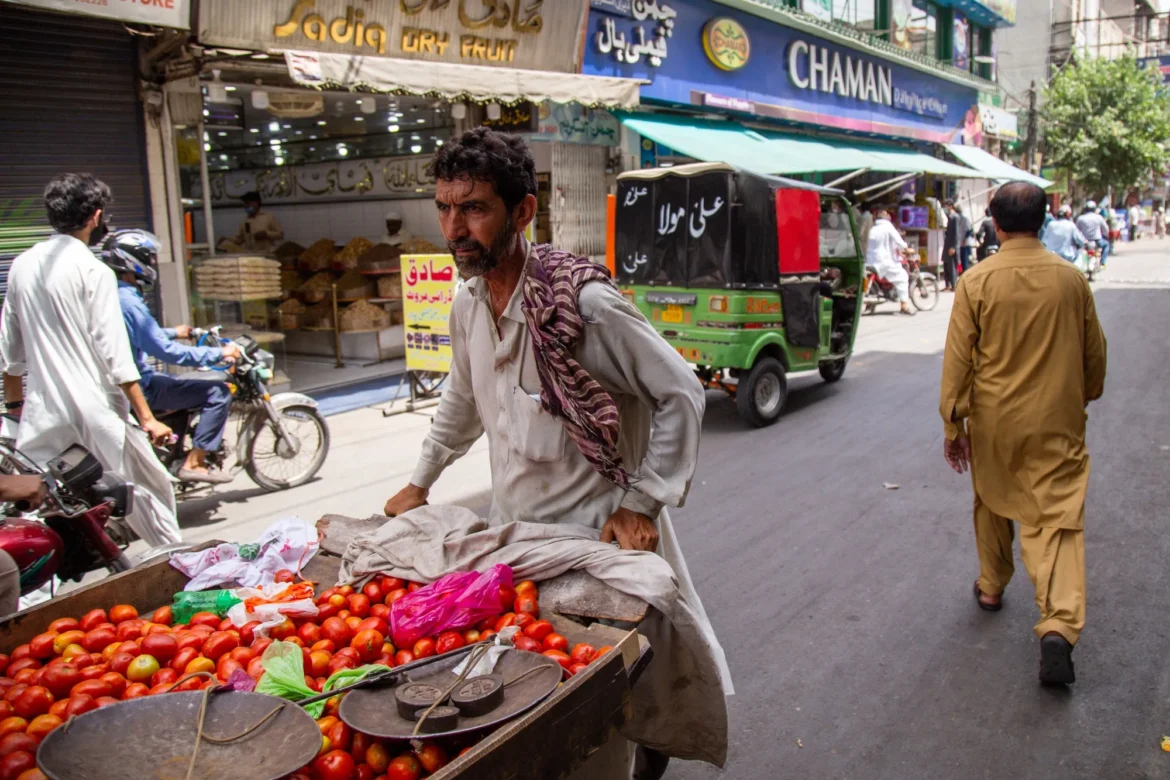
There is a ritual quality to Pakistan’s annual budget exercise that has grown almost theatrical in its predictability. The finance minister rises. Revenue targets are announced with conviction. Tax-base broadening is pledged. The IMF nods approvingly from Washington. The press covers it for two days. Then the lobbyists who were in Islamabad the week before the budget speech collect their exemptions, the salaried class discovers its withholding has increased, and the country proceeds to do exactly what it did the year before — borrow to survive, reform to perform, and grow barely enough to matter.
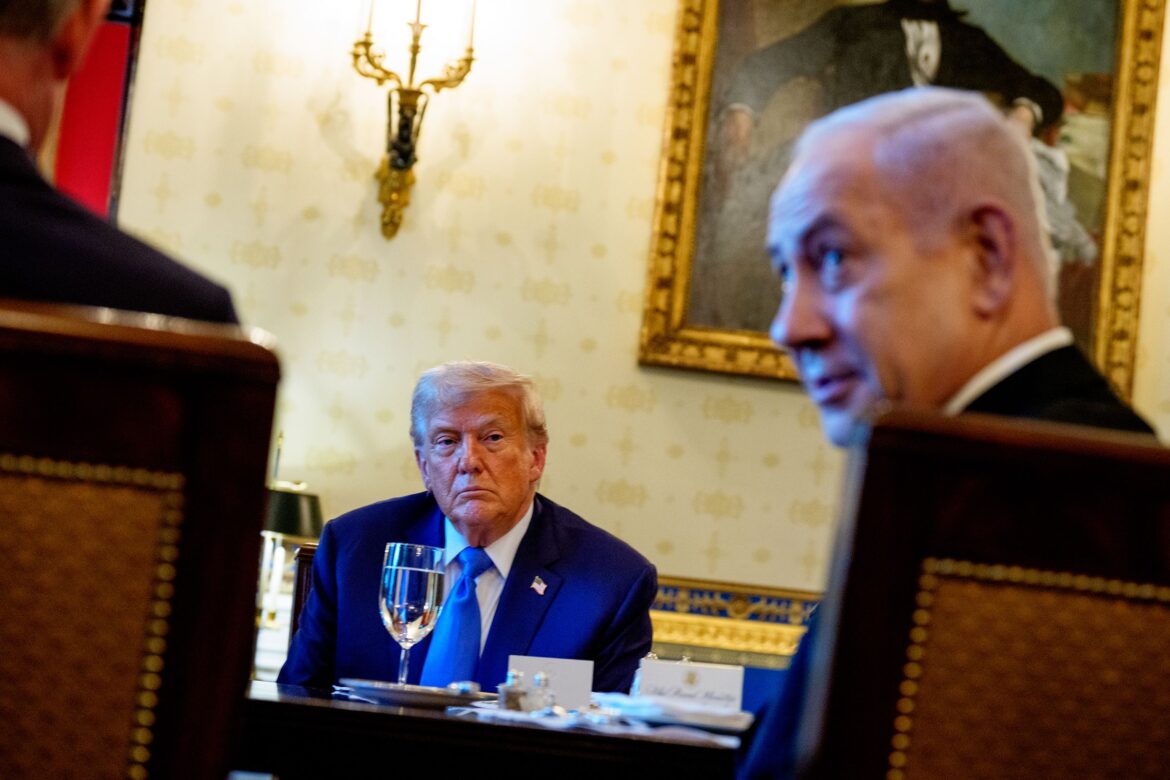
From ‘effing crazy’ to ‘great friend’: The theatre of Trump’s Middle East and why it should terrify us all
There is a particular kind of presidential humiliation that arrives not with a single catastrophic event but in the accumulated weight of contradictions — the triumphant declaration that quietly curdles into farce. Donald Trump is living inside one of those moments now, and the remarkable thing is that he seems barely to have noticed.
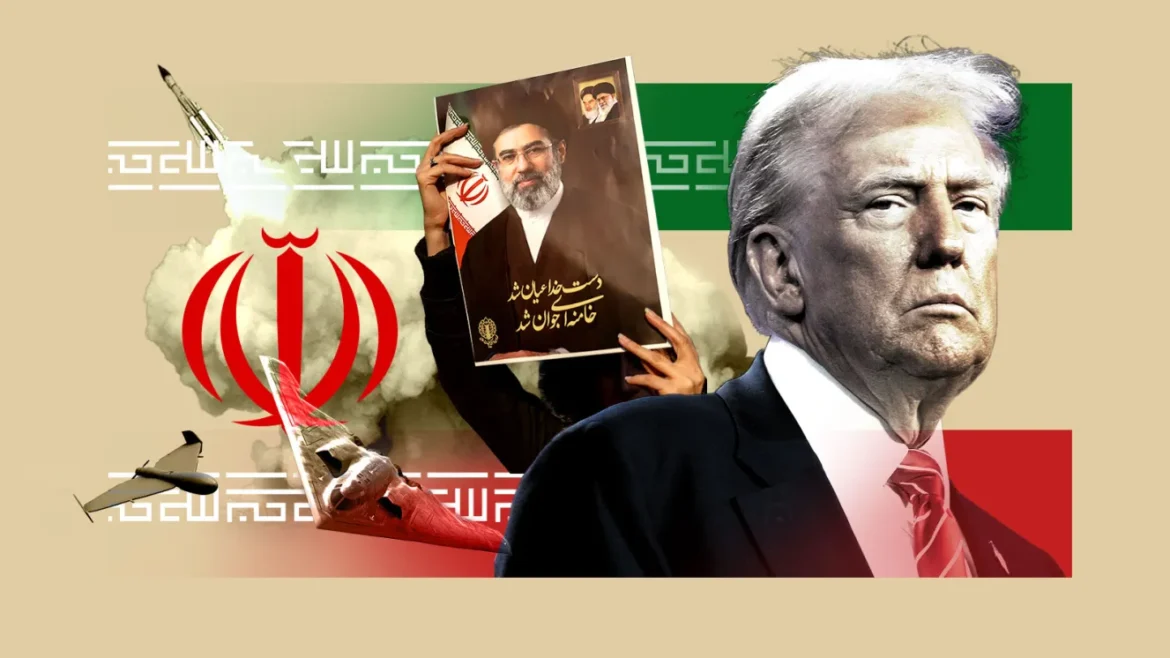
The Art of the Climbdown
How Donald Trump launched a war he couldn’t win, handed Iran a new weapon, and now finds himself negotiating a deal that looks remarkably like the one he blew up seven years ago
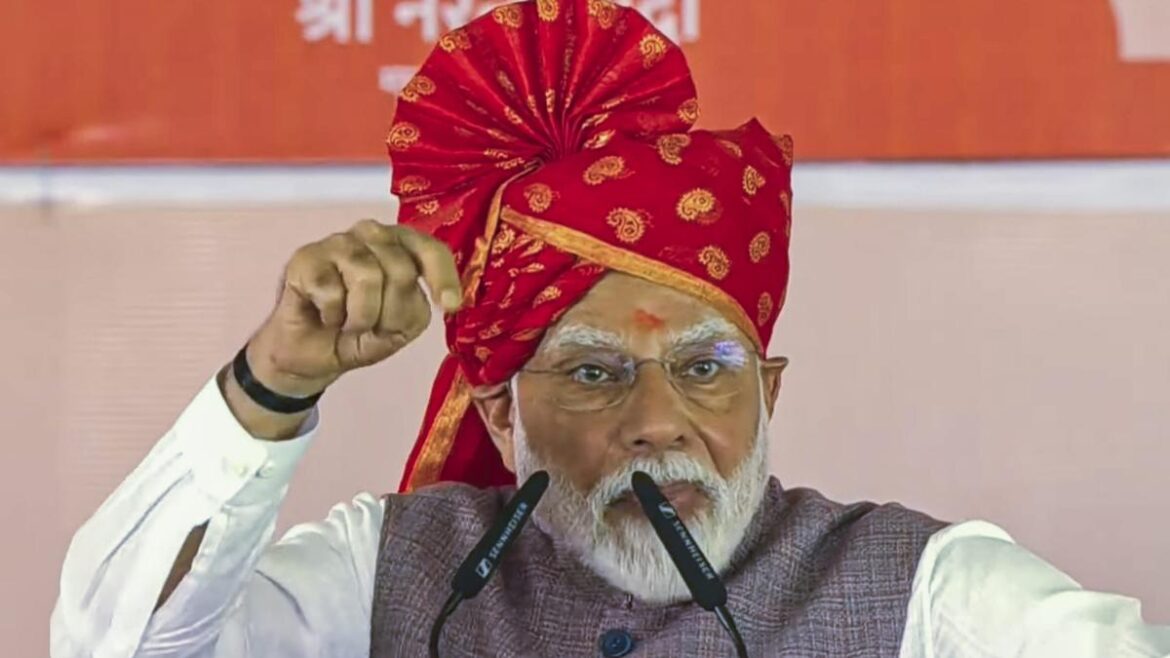
The Isolation That Backfired: Narendra Modi’s Most Consequential Foreign Policy Failure
It was September 2016, dusk settling over Kerala, when Narendra Modi made the kind of promise that sounds powerful from a lectern and haunts a legacy for years. Thumping his fist, addressing thousands of supporters, India’s prime minister turned directly toward Pakistan and issued a declaration that would come to define not just his foreign policy but its ultimate verdict. “India has been successful in isolating you,” he said, “and we will intensify those efforts. We will make sure that you are isolated around the world.”
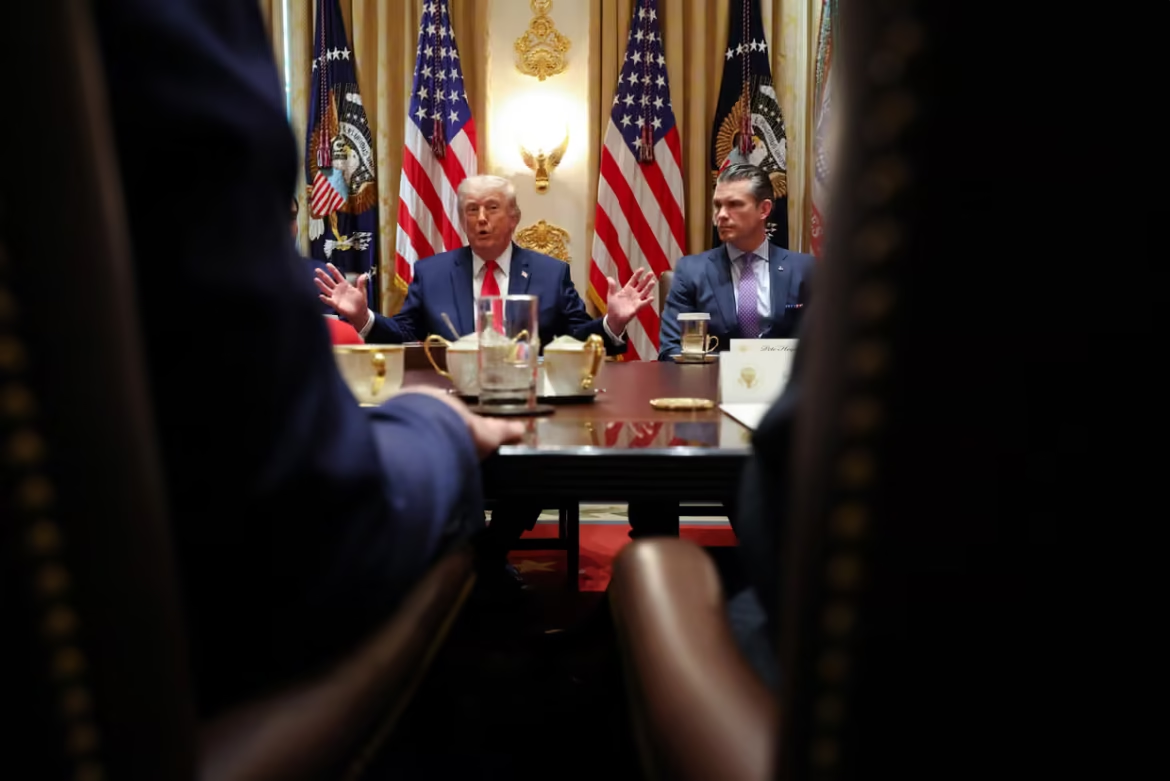
The Art of the No Deal: Trump’s Iran Gamble Is Consuming Itself
There is a particular kind of political theatre that only Donald Trump can produce — one where spectacle and genuine crisis become so thoroughly entangled that it grows almost impossible to distinguish posturing from policy. This week’s cabinet meeting at the White House offered yet another masterclass. Asked whether he would accept a short-term arrangement allowing Iran and Oman to jointly oversee passage through the Strait of Hormuz, the President of the United States responded with characteristic economy of thought. “Oman will behave just like everybody else,” he said, “or we’ll have to blow them up.”