
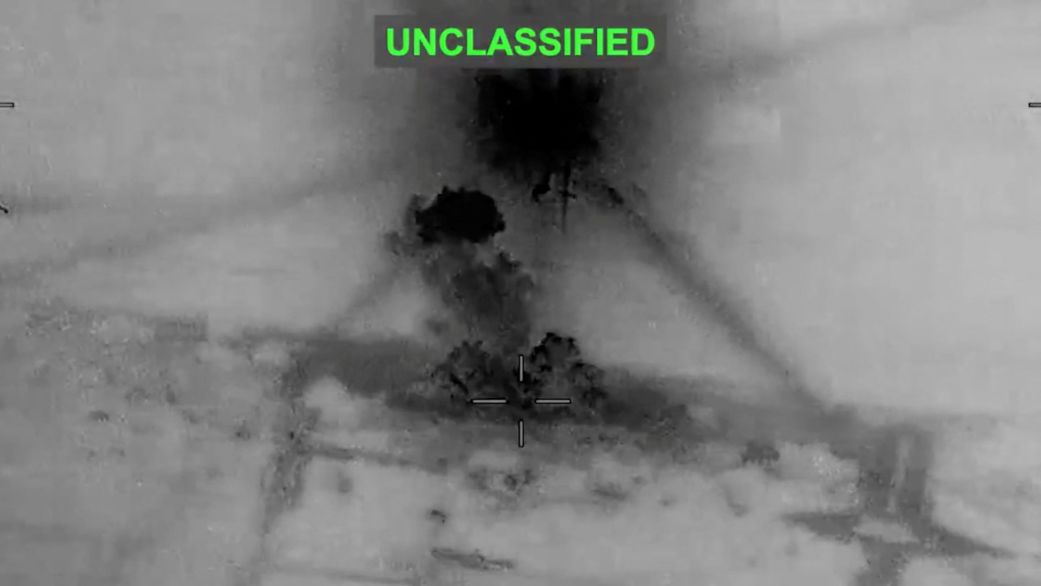
The announcement came late on a Sunday evening when the Persian Gulf had already endured its worst 48 hours since the June ceasefire: US aircraft striking Iranian military targets, Iranian missiles and drones raining down on American facilities in Kuwait and Bahrain, a Qatari national killed by shrapnel aboard a stricken vessel, and a US president warning from his social media account that the Islamic Republic of Iran “will no longer exist” if Washington was forced to resume the war.
Editorial

Budget changes little
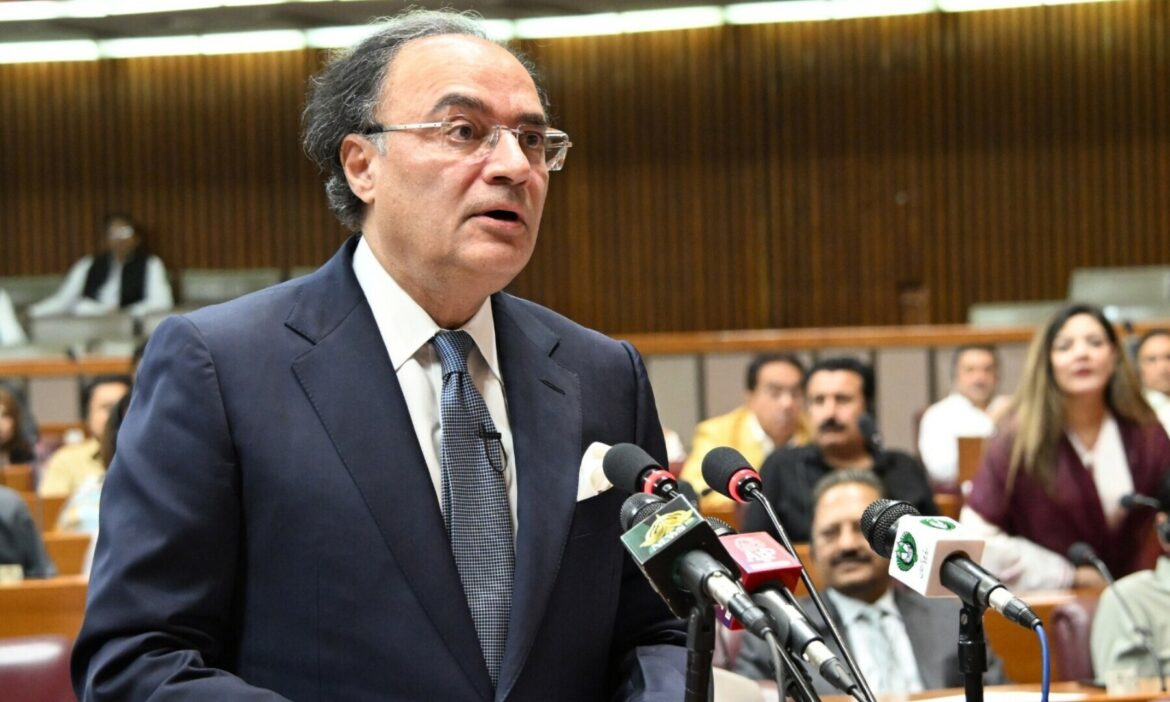
Finance Minister Muhammad Aurangzeb has presented his government’s third consecutive IMF-compliant budget, and the central fact about it is the simplest one: nothing in its design points toward growth. The deficit target of 3.6 per cent of GDP and the 4 per cent growth projection sit comfortably within the Fund’s parameters, as they were always going to. That is not a criticism of the finance ministry’s competence. It is a description of what an IMF programme is for. The Fund’s mandate is external balance, not expansion. A government operating under it can manage a crisis. It cannot, by the terms of the arrangement, choose to grow faster than the programme allows.
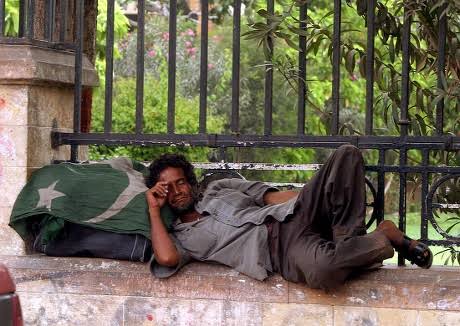
Budget delivers what the IMF wants, not what the people need
Pakistan’s budget today will be framed as the dividend of two years’ hard stabilisation work. A day earlier, the economic survey supported that framing: GDP grew 3.7 percent, the economy reached a record Rs126.87tn ($452.1bn), inflation fell from 23.4 percent to single digits, and the fiscal deficit narrowed to levels the finance ministry calls the best in decades. By the standard measures of macroeconomic management, Pakistan has had a good year, and the finance ministry is not wrong to say so.
A protection racket
Sometime in the next few days, the finance minister will stand before the parliament and deliver a budget speech that will include, as it has every year for at least two decades, a solemn commitment to broaden the tax base. There will be new mechanisms announced, fresh enforcement pledges made, perhaps a digital initiative or two. The FBR will be modernised again. The informal economy will be brought in from the cold, again. And next year, the same speech will be delivered again.
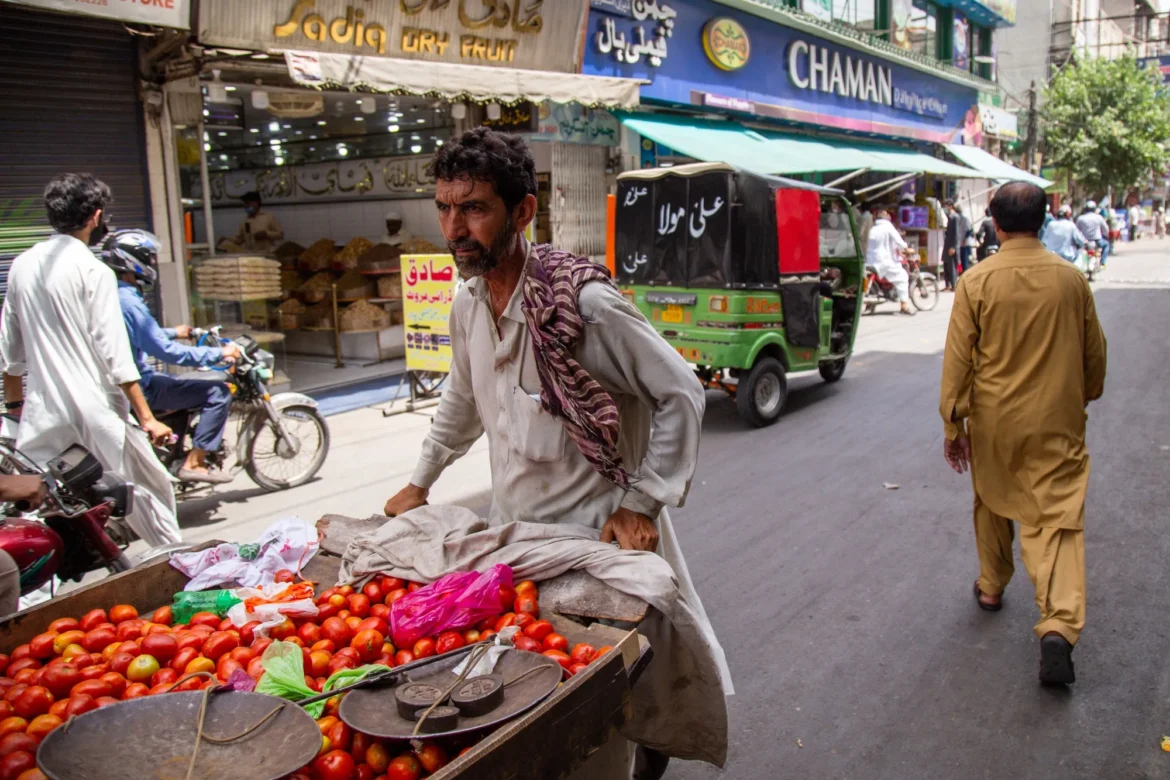
Pakistan’s Budget of Borrowed Time
There is a ritual quality to Pakistan’s annual budget exercise that has grown almost theatrical in its predictability. The finance minister rises. Revenue targets are announced with conviction. Tax-base broadening is pledged. The IMF nods approvingly from Washington. The press covers it for two days. Then the lobbyists who were in Islamabad the week before the budget speech collect their exemptions, the salaried class discovers its withholding has increased, and the country proceeds to do exactly what it did the year before — borrow to survive, reform to perform, and grow barely enough to matter.
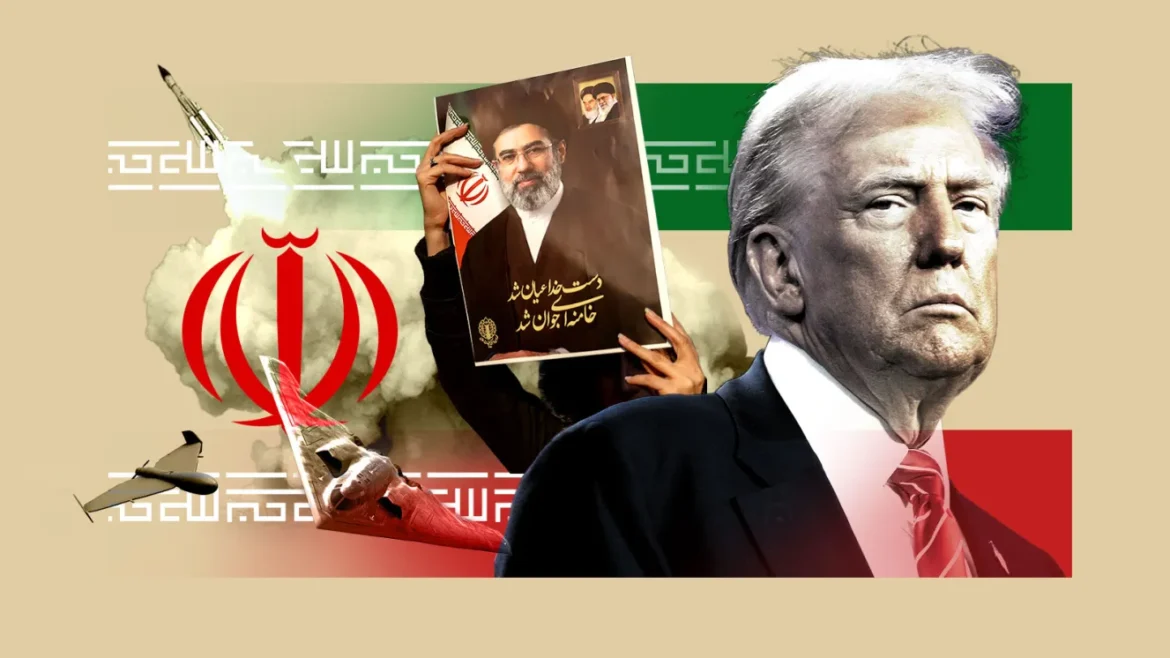
The Art of the Climbdown
How Donald Trump launched a war he couldn’t win, handed Iran a new weapon, and now finds himself negotiating a deal that looks remarkably like the one he blew up seven years ago
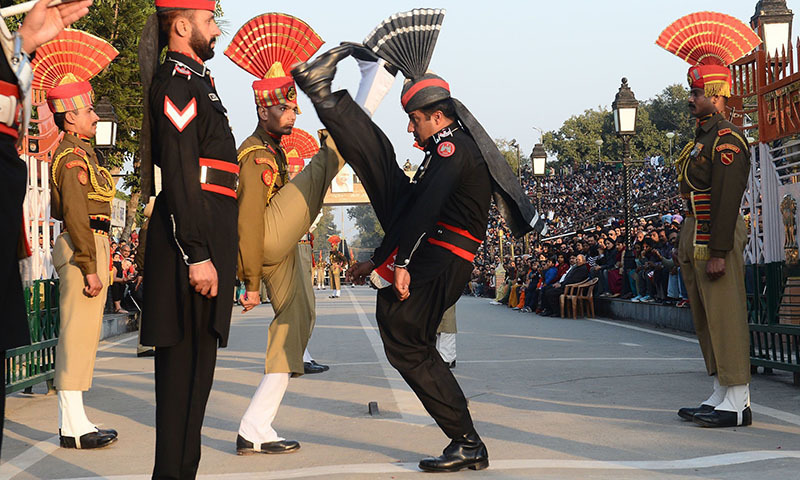
A year of fragile truce: both sides learned exactly the wrong lessons from May 2025 war
A year ago this week, missiles and drones lit up the night skies over Punjab and Kashmir, and for four days the world held its breath. Two nuclear-armed neighbours, locked in the oldest and most dangerous rivalry on the planet, traded blows in a conflict that was neither quite war nor quite peace. India called its operation Sindoor; Pakistan answered with Bunyanum Marsoos. More than 70 people died. Then, on 10 May 2025, a ceasefire was announced – brokered, with characteristic self-congratulation, by Donald Trump. The guns fell silent. The underlying grievances did not.
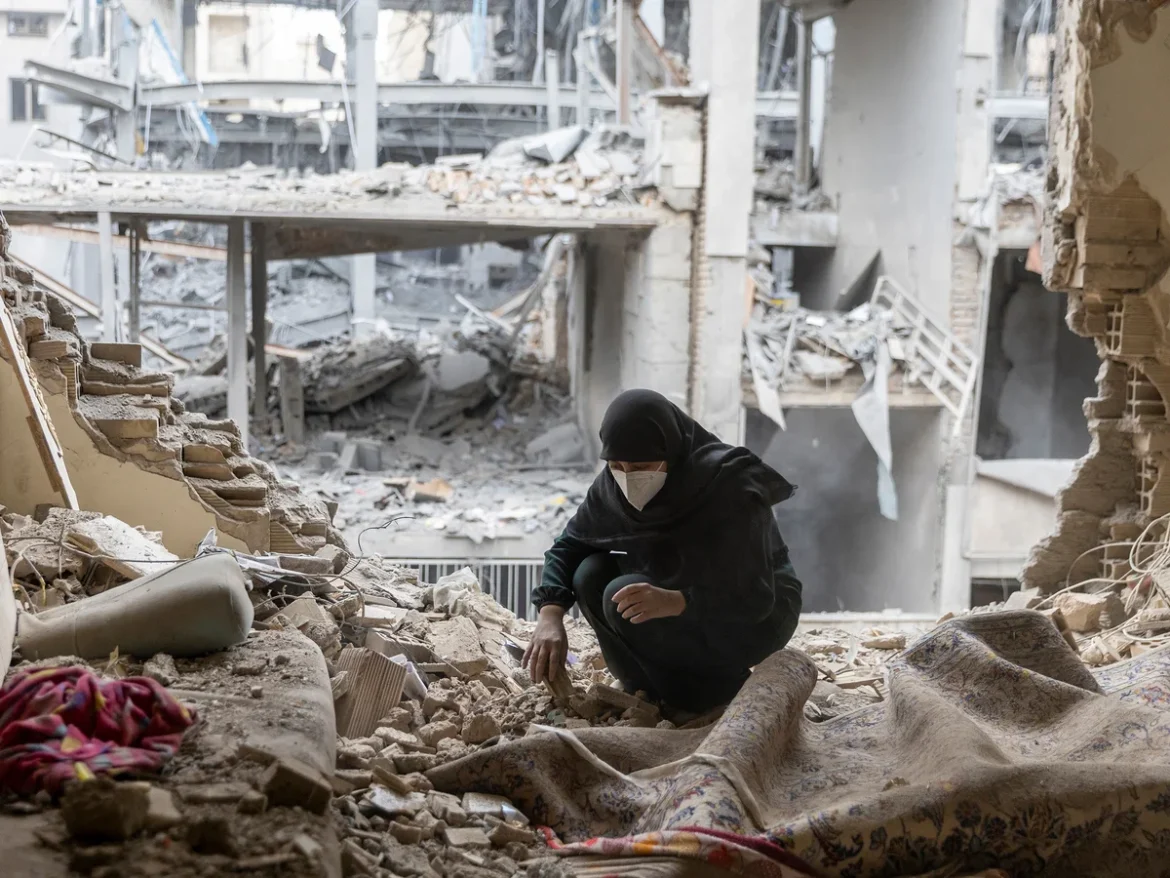
The Dangerous Stalemate in the Gulf
Two months after American and Israeli forces first struck Iranian targets, the conflict has settled into a tense and unstable pause. A ceasefire reached on April 7 has been held, with no exchanges of fire since. But the Strait of Hormuz remains closed to most shipping, the United States Navy continues its blockade of Iranian oil ports, and global energy markets are on edge. Oil prices have climbed above $120 a barrel at times, gasoline costs in the United States are rising, and the United Nations secretary-general has warned that a prolonged chokehold on this vital waterway will drag down global growth, fuel inflation, and push tens of millions more people into poverty and hunger.
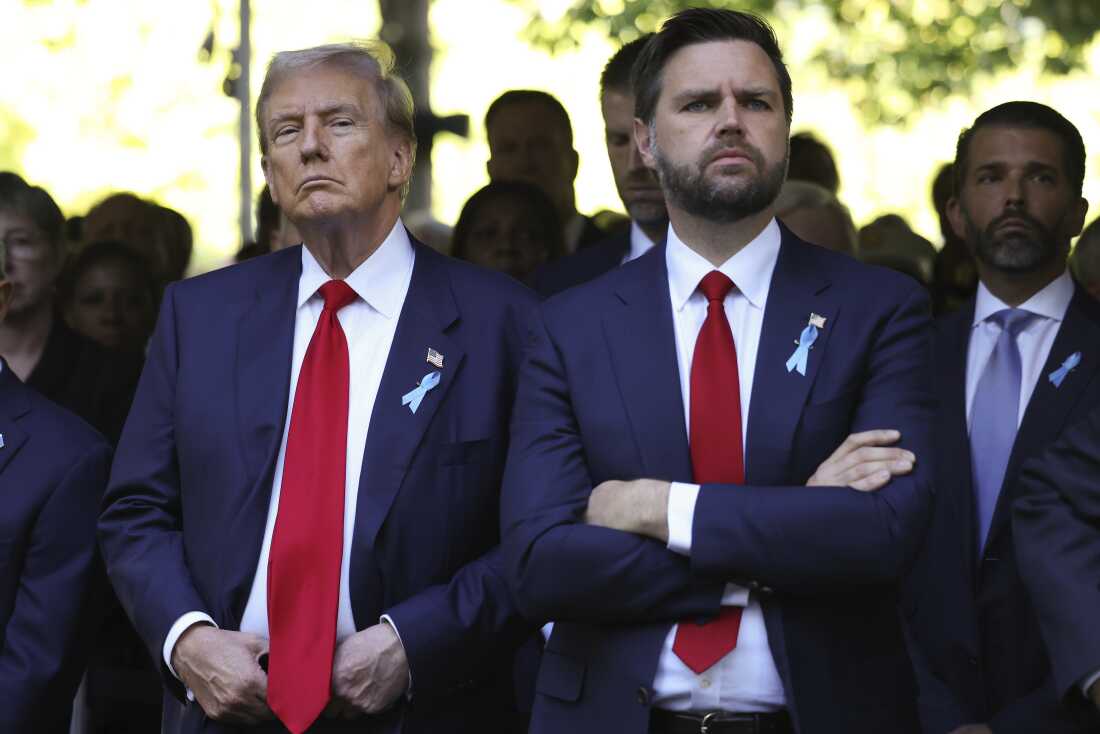
The Clock Is Ticking
As May 1 approaches, the United States finds itself at a constitutional crossroads of its own making. Two months ago President Donald Trump notified Congress that American forces had entered hostilities with Iran. Under the 1973 War Powers Resolution, that notification started a 60-day clock. When it expires this Thursday, the law is unambiguous: absent congressional authorization, the president must end the operations. The fragile ceasefire does not change that. The naval blockade of Iranian ports keeps US ships and sailors legally in a state of hostilities. Trump has made clear he has no intention of complying.
Endgame Without End
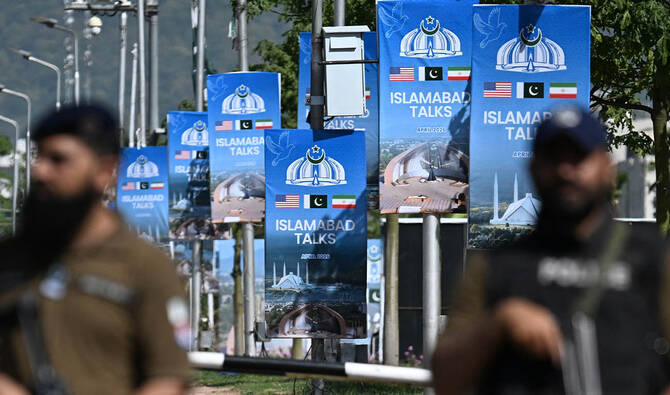
Eight weeks after the United States and Israel launched their war against Iran on February 28, the conflict has settled into precisely the kind of grinding, expensive impasse that Donald Trump once boasted he would never tolerate. American aircraft carriers patrol the Persian Gulf. Iranian ports are under naval blockade. The Strait of Hormuz — the narrow throat through which one-fifth of the world’s oil and liquefied natural gas once moved — is contested by both sides. Oil prices remain roughly 40 percent above prewar levels. Supply chains for fertilizer, petrochemicals, plastics, and agricultural goods are snarled from Asia to Europe. And this weekend, in the Pakistani capital of Islamabad, the two governments are once again circling each other through intermediaries, each insisting it is negotiating from strength while privately acknowledging that neither can prevail on the battlefield or in the marketplace.