
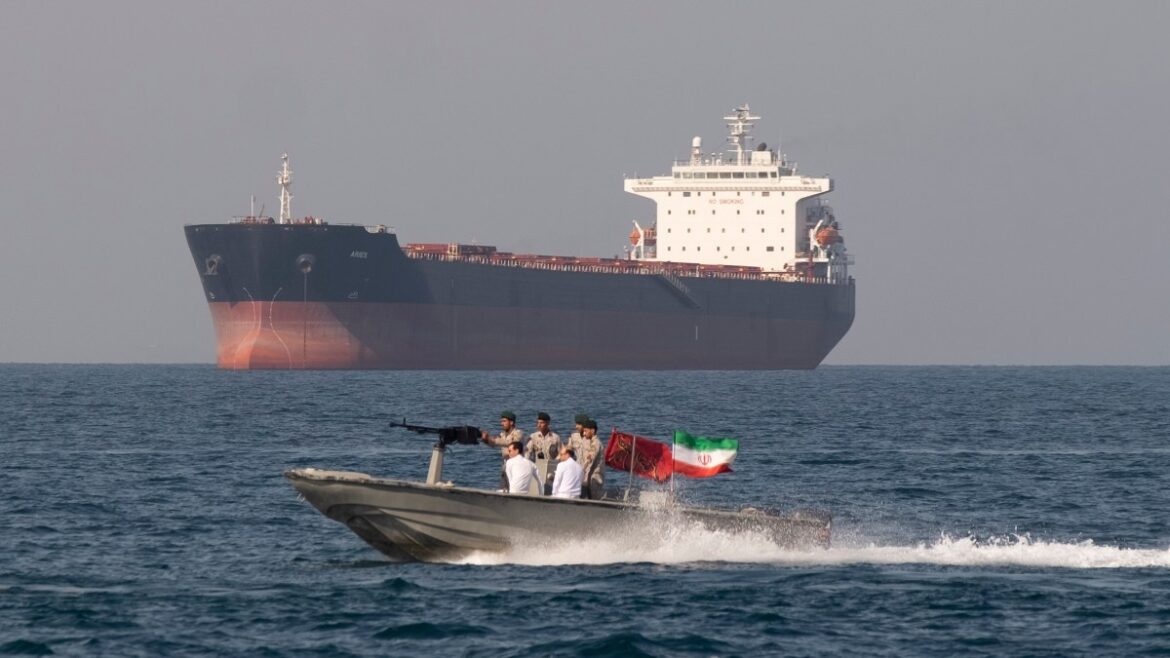
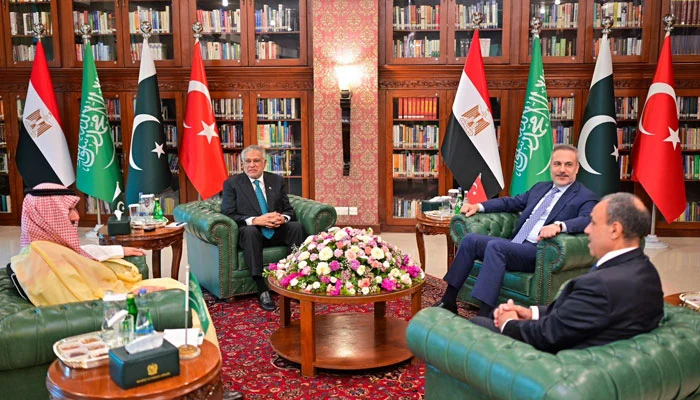
The United States-Israeli war on Iran, now well into its fifth week, has become intolerable — to the region, to global energy markets and, increasingly, to the governments trying to contain the damage. When Pakistan’s deputy prime minister and foreign minister, Mohammad Ishaq Dar, stood up at the end of the day-long talks between foreign ministers of Pakistan, Saudi Arabia, Turkey and Egypt and said Islamabad was prepared to host “meaningful talks” between Washington and Tehran “in the coming days” for a “comprehensive and lasting settlement,” he was not indulging in hopeful language. He was stating the only realistic path still open.
Editorial
Pakistan Tries to Keep Diplomacy Alive
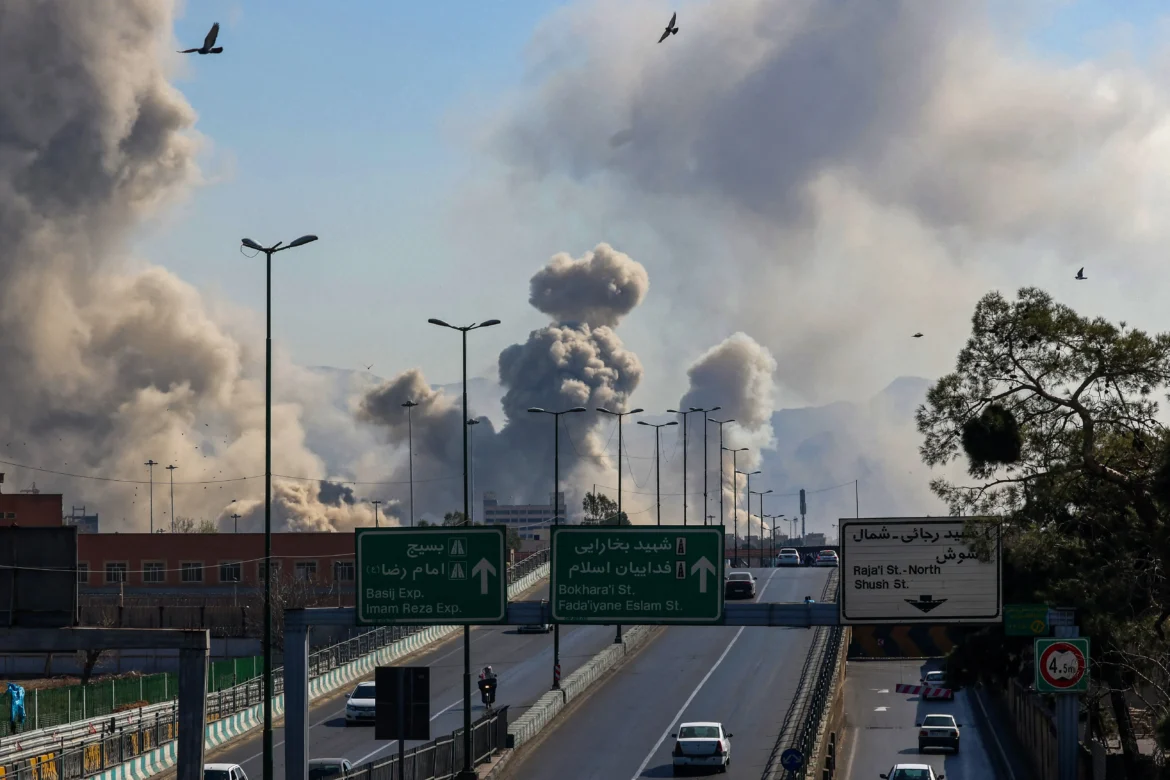
The bombs fell again on Friday, this time on two of Iran’s largest steel plants, a power station and civilian nuclear sites that Tehran insists have nothing to do with its military program. Israel also struck universities, according to Iranian officials. These were precisely the kinds of attacks on non-military targets that Pakistani diplomats had warned would kill any chance of talks. Yet even as the smoke rose over Iran’s industrial heartland, Islamabad was still trying to keep the door open. Prime Minister Shehbaz Sharif spoke for more than an hour with President Masoud Pezeshkian. Foreign ministers from Turkey, Egypt, Saudi Arabia and Pakistan are gathered in Islamabad on the Middle East crisis. And Pakistan’s de facto leader, Field Marshal Asim Munir, continues to shuttle messages between Washington and Tehran.
Why Pakistan Can’t Afford Another Mideast Mess
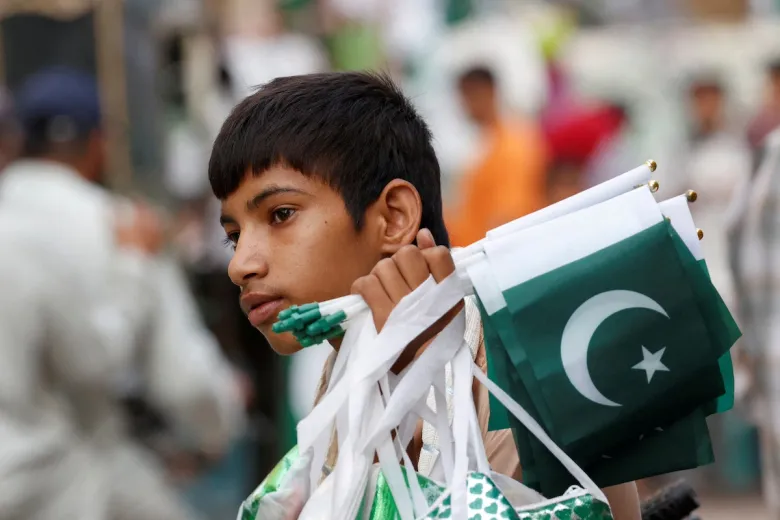
Let’s not mince words: Pakistan is getting hammered by the US-Israel-Iran war, and the fallout could shove this perpetually precarious economy right back into the abyss. Oil at $100 a barrel? That’s not a blip—it’s a body blow. And if this mess drags on, as former Finance Minister Hafiz Pasha grimly predicts, Pakistan’s GDP could shrink by 1% to 1.5%, with the rot setting in deeper after six months. We’ve seen this movie before, and it doesn’t end well.
Iran Can’t Win This War. It Can Make Everyone Else Lose.
The Islamic Republic is not trying to win this war. It is trying to survive it by making everyone else lose. That distinction explains why, even as American and Israeli strikes have shattered its nuclear sites, missile factories and the leadership circle around Ayatollah Ali Khamenei, Iran keeps expanding the fight. Its missiles and drones are no longer aimed only at Israel or American bases; they are hitting oil terminals in Saudi Arabia, Qatar and the United Arab Emirates, probing the Strait of Hormuz and forcing Persian Gulf air defences to burn through interceptors at a rate Tehran knows its enemies cannot sustain forever. The strategy is brutally simple and brutally effective: raise the global price of oil, spike inflation, inflict American casualties and exhaust the patience of a president who has never liked long wars.
Why Pakistan Is Collateral Damage in the Hormuz Shock
The Strait of Hormuz never had to be formally blockaded. Risk aversion did the job anyway. In the 48 hours since US and Israeli attacks escalated against Iran, global oil markets have lurched higher by as much as 13%, Brent crude has traded near $78-$79 a barrel, and tanker traffic at the world’s most critical energy chokepoint has simply frozen in place.
Pakistan Decides It Has Had Enough
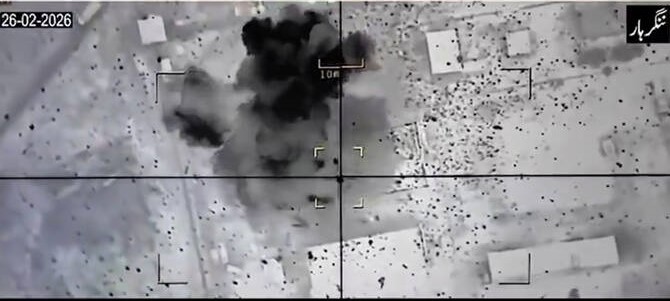
The explosions that shattered Kabul before dawn on Friday were not the opening shots of an unprovoked war. They were the sound of a neighbour’s patience finally snapping – and the first ominous notes of a conflict that could spiral far beyond anyone’s control. Residents described up to eight powerful detonations starting at 1.50am local time, homes shuddering, fighter jets roaring low overhead, then nearly an hour of gunfire echoing through the capital’s central districts. Similar strikes hit Kandahar – the spiritual heartland of the Taliban movement, where supreme leader Hibatullah Akhundzada is believed to keep his austere court – and the southeastern province of Paktia.
The Diplomacy of Denial
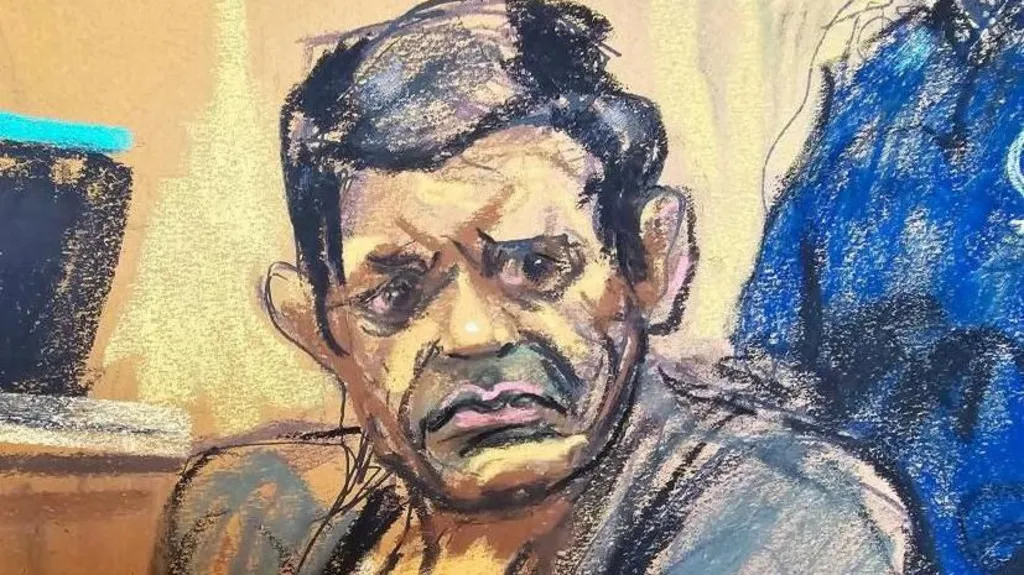
The conviction of Nikhil Gupta in a New York federal court last week has sent ripples far beyond Manhattan, reigniting a fierce debate over state-sponsored terrorism in South Asia. Gupta, an Indian national, pleaded guilty to charges in a plot to assassinate Gurpatwant Singh Pannun, a Sikh separatist and US citizen, admitting he coordinated with an Indian government official identified as Vikash Yadav, a former intelligence officer. This admission, carrying a potential 40-year sentence, has bolstered Pakistan’s longstanding accusations against India, with Islamabad pointing to what it calls “irrefutable evidence” of New Delhi’s hand in cross-border attacks. Pakistan’s Foreign Ministry spokesperson, Tahir Abdrabi, didn’t mince words in a recent briefing, asserting that his country has shared concrete proof of “Indian sponsorship of terrorism and terrorist groups operating in Pakistan from across our borders.”
No Handshake, No Contest
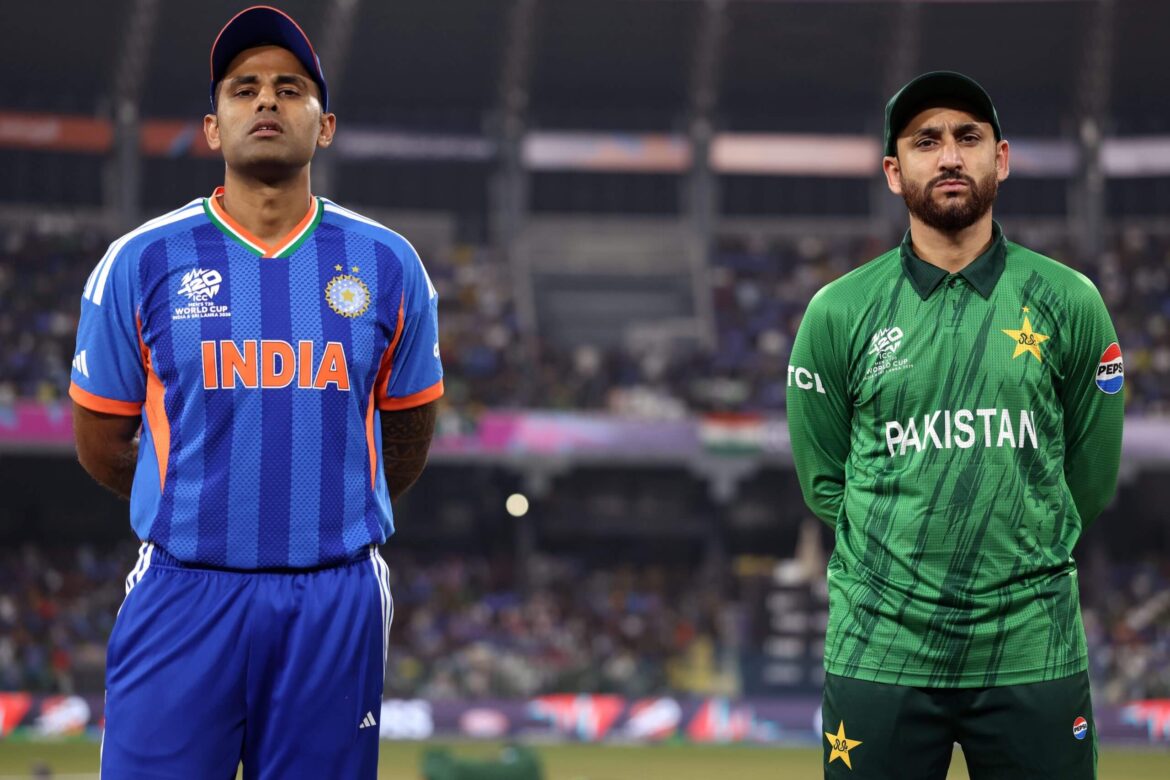
Colombo did its best to stage the spectacle. Grey skies, armed security, the familiar inflation in fake jerseys. For a week, the cricket world held its breath over whether Pakistan would even turn up. In the end, they did – not out of sporting spirit, but because the money spoke louder than solidarity with Bangladesh. And what followed was less a contest than a public execution, dressed up as the greatest rivalry in the game. India won by 61 runs. It was their eighth victory in nine T20 World Cup meetings, their 13th in the last 17 white-ball encounters overall. Ishan Kishan’s 77 off 40 balls was the highlight of a one-sided batting display; Pakistan’s reply was a procession, slumping to 13 for 3 inside three overs and folding for 114. Usman Khan’s 44 offered the only flicker of resistance. The rest was surrender.
Cricket’s India problem
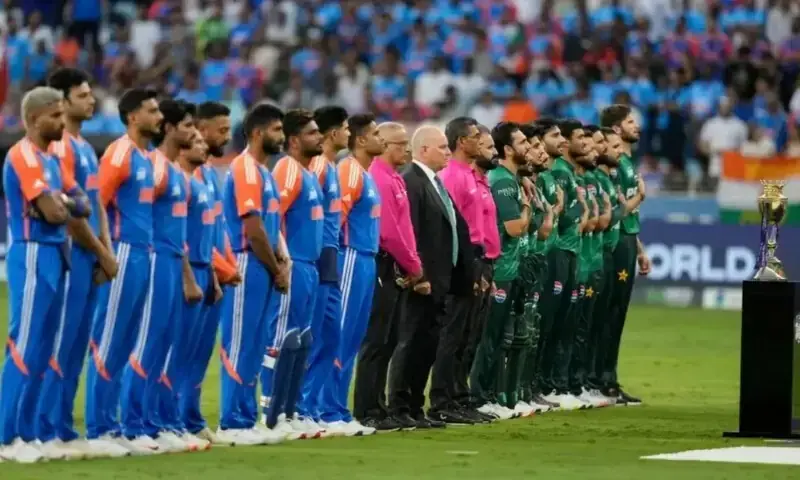
As the T20 World Cup opens tomorrow in a blaze of floodlights and fanfare, the shadow of a missing blockbuster looms large. The India-Pakistan encounter, set for 15 February in Colombo, is cricket’s equivalent of a heavyweight title fight – a clash that pulls in viewers by the hundreds of millions and swells the coffers of broadcasters and the International Cricket Council (ICC) alike. But Pakistan’s refusal to take the field, a bold act of solidarity with ousted Bangladesh, has thrust the sport’s governance into crisis. This isn’t just about one no-show; it’s a stark reminder of how India’s financial muscle has warped the game’s level playing field, leaving smaller boards to scrape for fairness in a system rigged against them.
Trump Hits India Where It Hurts
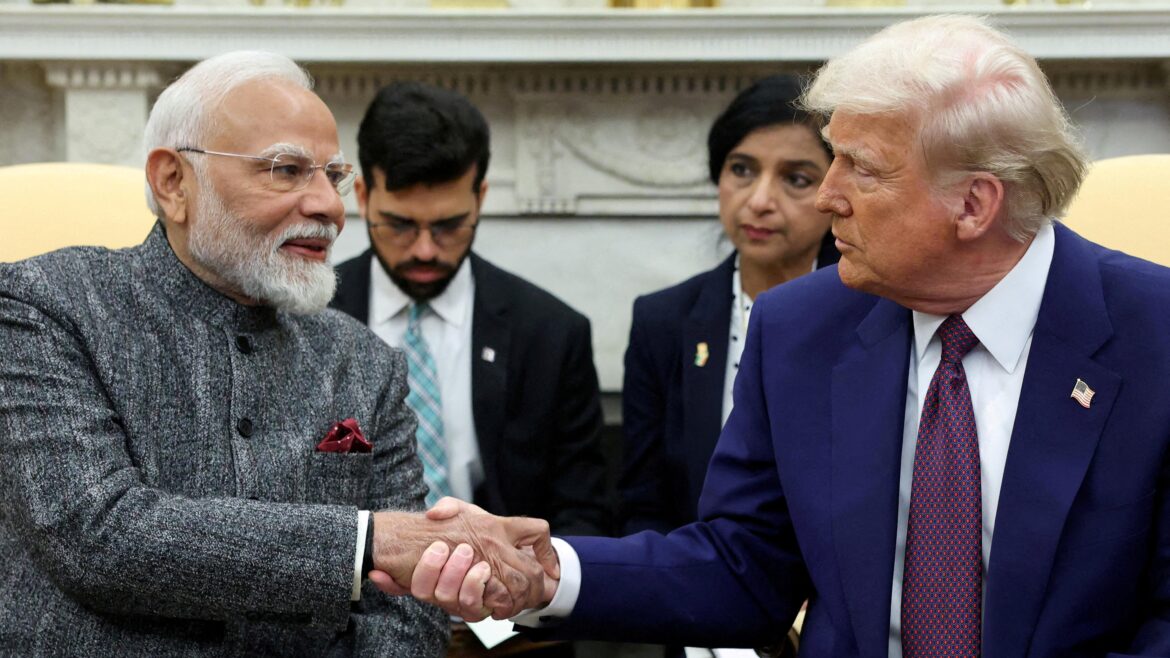
Donald Trump’s tariff barrage is hitting India where it hurts, and it might just jolt New Delhi into fixing its creaky economy—though don’t hold your breath for anything revolutionary. Since last August, a slew of Indian exports to the US have been hammered with 50% duties, some of the stiffest penalties slapped on any big trading partner. With America as India’s top market for goods and services, this spat has prodded Prime Minister Narendra Modi’s government to roll out a fresh batch of economic tweaks. Sure, any effort to unclog India’s bloated, inefficient system deserves a nod. But let’s be clear: most of these so-called reforms are just patching up messes that Modi’s own policies created. If he wants credit as a real economic trailblazer after almost 12 years at the helm, Modi must push free markets with real guts and consistency, not this half-hearted nibbling.