
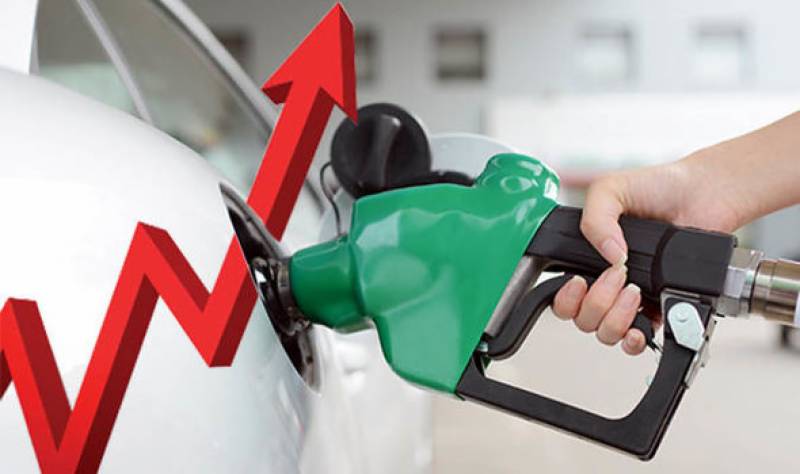
The government raised gasoline and diesel prices on Wednesday for the eighth consecutive day, extending the longest streak of daily increases since the country moved to round-the-clock oil pricing, as fresh attacks on Gulf energy infrastructure threatened to choke off two of the world’s key crude corridors at once.
Aamir Ashraf
August current account gap narrows to $98 million as remittances surge
The current account deficit narrowed sharply to $98 million in August, the State Bank of Pakistan reported on Wednesday, as a jump in remittances from overseas workers offset a widening trade gap.
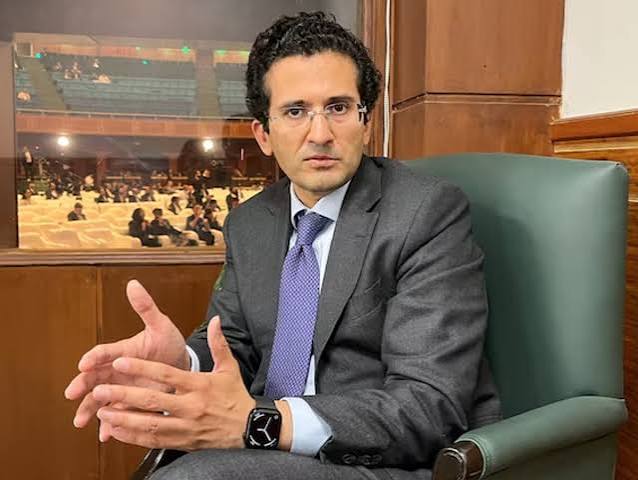
Pakistan has fuel through October, but minister says November is the real test
ISLAMABAD: Pakistan has locked in enough fuel to cover September and has built in a buffer against even a worst-case scenario in October, but the country’s petroleum minister said the government is now turning its attention to November, as a war that has choked off much of the Persian Gulf’s oil trade shows no sign of ending.

Supreme Court voices unease over Constitutional Court’s bid to seize Imran Khan hospital case, but holds off for three weeks
ISLAMABAD: The Supreme Court of Pakistan on Wednesday voiced open unease at an attempt by the country’s newly empowered Federal Constitutional Court (FCC) to take over proceedings concerning the hospital transfer of jailed former prime minister Imran Khan, but chose to defer its own hearing for three weeks rather than confront the tribunal head-on, saying it could not disregard another court’s directive.
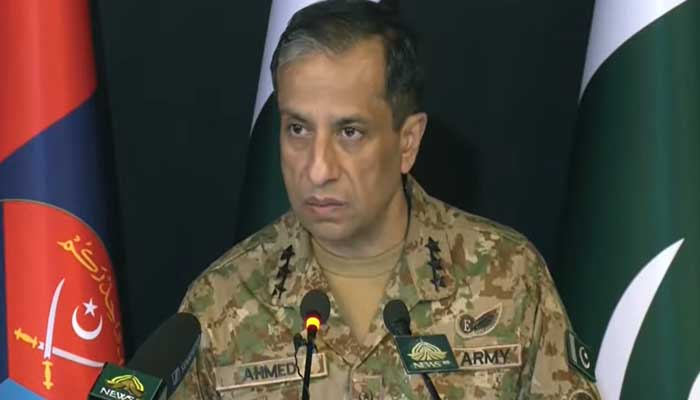
Pakistan’s military says Saudi-Turkiye defence pact has ‘no regional aspirations’
ISLAMABAD: Pakistan’s military has moved to reassure allies and rivals alike that its new defence pact with Saudi Arabia and Turkiye carries no hidden ambitions, insisting the trilateral alliance exists purely to deter aggression rather than to project power across the region.
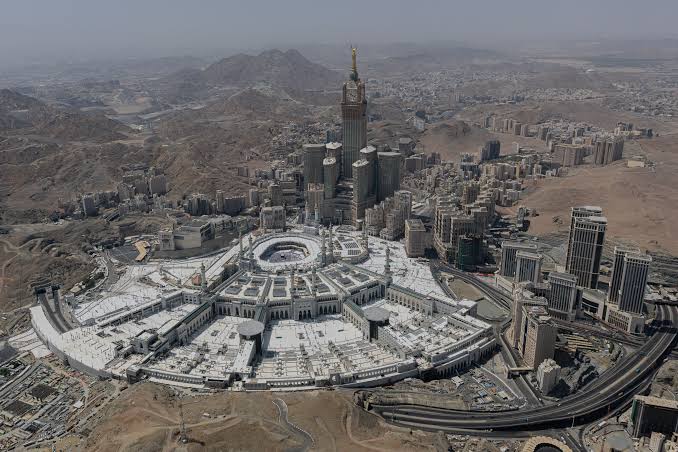
Attack near Islam’s holiest site tests new Saudi defence pact — and its limits
ISLAMABAD: Saudi air defences shot down a drone on Tuesday evening as it approached the restricted airspace over Mecca, the birthplace of the Prophet Muhammad and the site Muslims worldwide face in prayer five times daily, in what Saudi officials called an attempted attack by Yemen’s Houthi rebels on the holiest city in Islam.
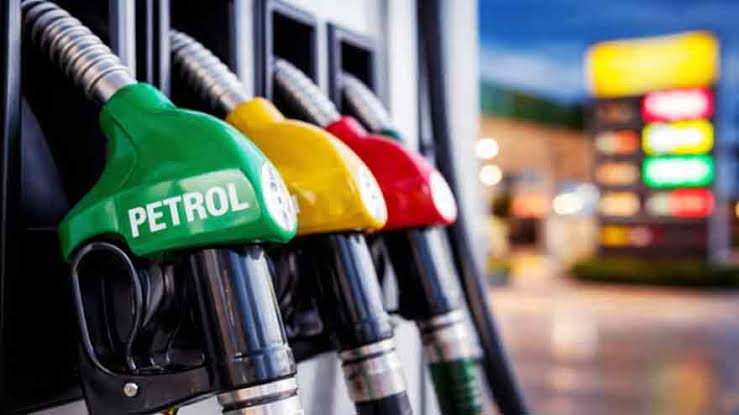
Pakistan fuel prices climb for seventh straight session as oil rally persists
Pakistan fuel prices climb for seventh straight session as oil rally persists
By Staff Reporter
ISLAMABAD: Pakistan raised retail fuel prices for a seventh consecutive cycle on Tuesday, pushing petrol to its highest level since the current daily-pricing mechanism began in July, as the war between the US and Iran kept crude markets on edge and complicated the government’s push to cushion consumers from the shock.
The Petroleum Division said petrol would rise Rs4.10 a litre to Rs384.34, effective Wednesday, while high-speed diesel — the fuel underpinning Pakistan’s freight, agriculture and power-generation sectors — will climb Rs6.41 to Rs415.83.
The increase caps a steep run under the government’s daily pricing mechanism. Petrol has risen in six of the past seven trading days, climbing from Rs345.87 on September 7 to Wednesday’s Rs384.34 — a gain of nearly Rs38.50, or 11%, in just over a week. Diesel has moved even more sharply over the same stretch, up more than Rs45 from Rs370.41 to Rs415.83.
Even so, both fuels remain well below the all-time peaks reached in early April, when supply fears first gripped the market. Diesel hit Rs520.35 a litre on April 3 after climbing from Rs281 when the conflict erupted on February 28. Petrol peaked the same day at Rs458.41, having started March at Rs266 — a single-day jump of Rs137.24 that remains the largest one-time fuel price increase in Pakistan’s history.
The government continues to collect Rs114 a litre in taxes on petrol and Rs100 on diesel, levies it has kept in place even as pump prices have swung sharply in both directions this year.
Daily Pricing Mechanism Under Pressure
Wednesday’s adjustment is the latest test of a formula introduced July 17, when Petroleum Minister Ali Pervaiz Malik said the cabinet had authorized the Oil and Gas Regulatory Authority to set fuel prices daily rather than weekly, citing the volatility unleashed by renewed fighting between Iran and the US. The shift replaced a system in place since early March that combined weekly reviews with fuel-conservation measures amid fears of supply disruption from the Middle East conflict; the federal government had also introduced targeted fuel subsidies in April.
OGRA calculates the daily rate using a seven-working-day rolling average of the Platts Arab Gulf Means Price, a benchmark that has itself been racing higher: the international reference price for petrol jumped from $112.81 to $125.35 a barrel between September 12 and September 15 alone, with diesel’s benchmark rising from $112.34 to $115.84 over the same window.
Petrol, used mainly in motorcycles, rickshaws and small private vehicles, weighs most heavily on middle- and lower-middle-income households. Diesel’s reach is broader still, powering the heavy trucking fleet, power plants and industrial generators that keep goods and electricity moving across the country. Together, the two products dominate Pakistan’s fuel market, with combined monthly sales of 700,000 to 800,000 tonnes, dwarfing the roughly 10,000 tonnes of kerosene sold each month.
Relief Scheme Set for Nationwide Rollout
The price increase lands just as Prime Minister Shehbaz Sharif’s fuel-relief program is due to expand beyond Islamabad. The office of the deputy prime minister said Tuesday the scheme, already running in the capital, would take effect nationwide at midnight on September 16.
Sharif unveiled the program on Sunday, offering a Rs100-a-litre discount to owners of motorcycles, three-wheeled rickshaws and cars with engines up to 800cc — the vehicle classes most exposed to the run-up in pump prices. Under the plan, roughly 10 million two-wheeler owners and 800,000 rickshaw operators will receive the discount on a monthly quota of 20 litres, worth up to Rs2,000 a month. A further one million owners of small cars will get the same per-litre discount on 30 litres monthly, or up to Rs3,000.
The government has pegged the scheme’s total beneficiaries at 11.8 million and its monthly cost to the exchequer at Rs24.6 billion — Rs20 billion for two-wheelers, Rs1.6 billion for three-wheelers and Rs3 billion for small cars.
Officials framed the program as a direct response to the pace of the recent run-up: petrol prices climbed Rs72 a litre, or 24%, between July 1 and September 11, while diesel rose Rs87, or 28%, over the same stretch. With Pakistan reliant on imported crude and refined products for the bulk of its needs, officials said, increases in international prices pass through almost immediately to the pump. That dependence, they said, had left lower-income households facing mounting strain from both fuel costs and the broader inflation they help drive — a dynamic that prompted Sharif to order officials to design targeted relief for the country’s poorest.
Global Supply Fears Intensify
The domestic price pressure has tracked a rapidly deteriorating picture in international oil markets. Brent crude settled at $108.49 a barrel on Tuesday, up $2.81, or 2.66%, while US West Texas Intermediate rose $3.29 to $104.68, as traders weighed a fresh round of supply threats across the Middle East and North Africa.
The latest catalyst was Saudi Arabia’s decision to shut its 1,200-kilometer East-West pipeline, the kingdom’s principal alternative to shipping crude through the Strait of Hormuz, after a drone strike launched from Iraqi territory damaged pumping infrastructure. The line normally carries up to 4 million barrels a day from Saudi Arabia’s eastern oilfields to the Red Sea export terminal at Yanbu; Aramco has yet to say how long repairs will take.
Libya added to the strain separately, with its National Oil Corporation confirming that members of the Petroleum Facilities Guard, in the course of a protest, closed a valve on the Hamada-Zawiya pipeline, halting output at three fields. Libya ranked as OPEC’s seventh-largest crude producer in 2023, according to the US Energy Information Administration.
The disruptions compound a conflict that has already driven Saudi output to its lowest level since 1990 and left the Strait of Hormuz and Red Sea shipping lanes under sustained pressure from Iran-aligned Houthi forces in Yemen. Hamad Hussain, senior climate and commodities economist at Capital Economics, said renewed Houthi attacks on Saudi targets were shaping investor expectations for how long the disruptions might persist.
For Pakistan, which imports the bulk of its petroleum needs, that uncertainty points to continued pressure on prices — testing how far the government’s daily pricing formula, and its new relief scheme, can absorb the shock before it reaches consumers.
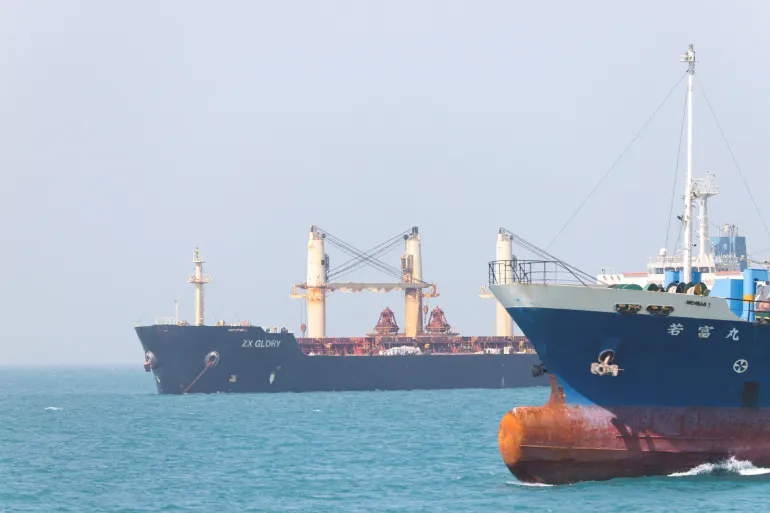
Pakistan calls for return to June accord as Hormuz all but shuts and Houthis tighten Red Sea grip
ISLAMABAD: Pakistan has again pressed the United States and Iran to return to a fragile ceasefire framework it helped broker in June, as the conflict between Washington and Tehran flares anew and threatens to draw in Saudi Arabia’s oil infrastructure and the wider shipping routes of the Middle East.
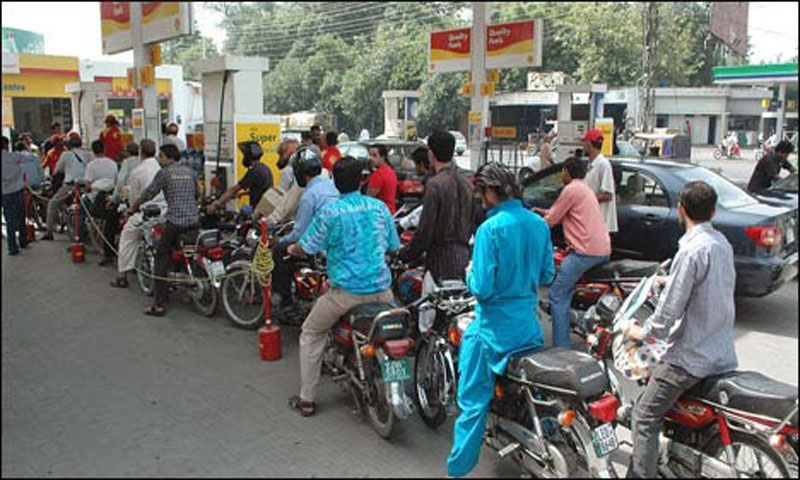
Pakistan weighs fuel lockdown, shorter work week as Mideast war drives prices higher
ISLAMABAD: The government is weighing a package of emergency measures to curb fuel consumption, including shortened market hours and a possible four-day work week, as an escalating conflict in the Middle East pushes energy costs higher and strains the South Asian nation’s finances.
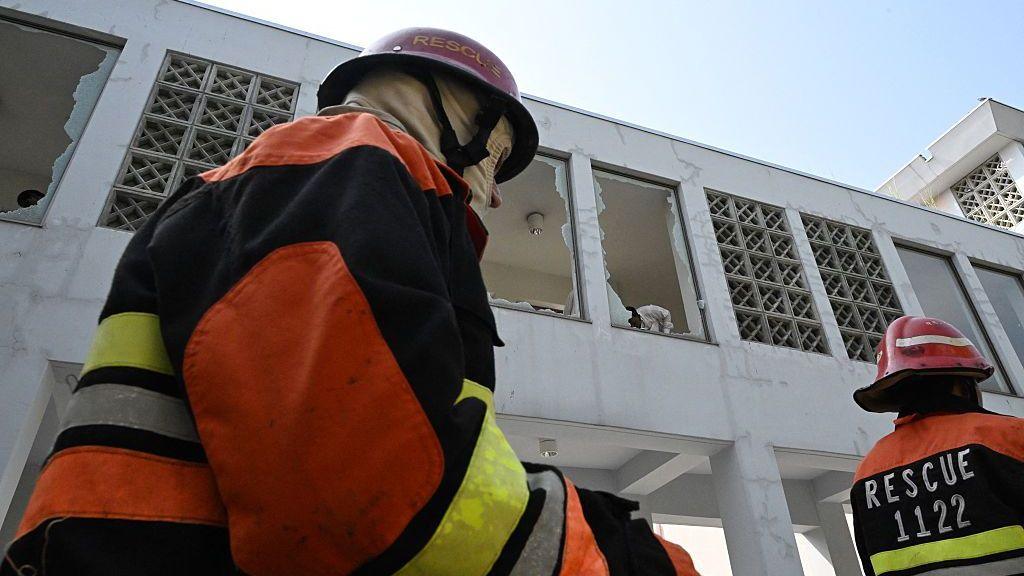
PIMS fire: report blames ‘systemic failure’ as electrical fault named likely cause of 14 newborn deaths
ISLAMABAD: A government inquiry into the fire that killed 14 newborn babies at a hospital in Islamabad has concluded that the disaster was the product of “systemic and institutional failure”, with a localised electrical fault the most probable trigger for a blaze that overwhelmed a nursery in a matter of minutes.