By Staff Reporter
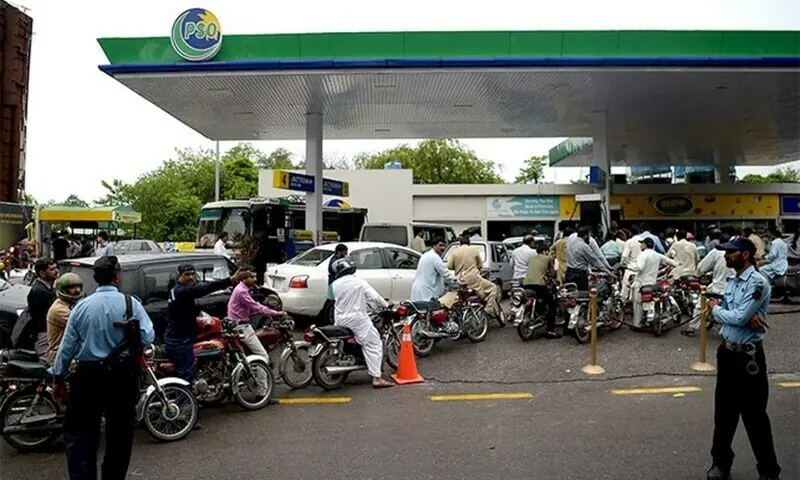
ISLAMABAD: Authorities have instructed provincial governments to conduct physical inspections of retail petrol stations nationwide to stamp out hoarding of petroleum products and prevent profiteering, as fears grow over potential supply disruptions from the escalating conflict in the Middle East.
The directive, issued on Thursday, tasks deputy commissioners with monitoring stations in their jurisdictions. The Oil and Gas Regulatory Authority moved swiftly to reassure the public that stocks remain adequate. “The existing stock position remains comfortable and well within the prescribed requirements,” Ogra said, adding that the government had confirmed sufficient petroleum products to meet national demand and that there was no need for panic buying or hoarding.
At the same time, the regulator issued a stark warning. Strict action would be taken against any individual or entity found illegally storing petroleum products at unauthorised locations, particularly outside duly licensed oil depots and retail outlets of oil marketing companies. Any such premises would be sealed, Ogra said.
Reports had indicated that certain elements might attempt to hoard supplies for profit during the current uncertainty. Ogra spokesperson Imran Ghaznavi said provincial chief secretaries had been asked to direct deputy commissioners to carry out the inspections. Its own teams were already active in the field. “Inspections are being conducted at oil depots and retail outlets to ensure smooth supply of petroleum products and to prevent any malpractice,” the authority stated. The public was urged to ignore rumours and continue normal consumption patterns, with the supply situation described as stable.
The measures come against a volatile geopolitical backdrop. The United States and Israel’s war with Iran entered its sixth day on Thursday, with shipping through the Strait of Hormuz — a chokepoint carrying roughly one-fifth of global oil shipments — effectively paralysed. Pakistan, which relies heavily on Middle Eastern crude routed through the strait, has formed a government committee to track stock levels, supply chains, price movements and the wider effects on inflation, the external account and financial stability.
Finance Minister Muhammad Aurangzeb acknowledged the gravity of the situation. There was “no fuel shortage in the country,” he said, “but things could become serious if the war drags on.” Islamabad has already formally requested Saudi Arabia to open an alternative supply route through the Red Sea port of Yanbu to keep fuel flowing. Officials are also exploring longer-term adjustments. The government is considering shifting the petrol pricing mechanism from its current fortnightly cycle to a weekly basis, possibly from 8 March.
Industry estimates suggest this could lift petrol and diesel prices by Rs25-50 per litre. Other options under review include providing full financial cover to oil marketing companies to secure imports and mandating work-from-home arrangements for government and private-sector offices to curb overall fuel consumption.
Separately, tensions have surfaced between local refineries and oil marketing companies. In a letter to the Ogra chairman, the Oil Marketing Association of Pakistan raised “serious concern” over refineries’ failure to honour supply commitments agreed in the most recent product review meeting. Those volumes had been mutually locked in, allowing most OMCs to forgo import cargoes in the expectation that local production would cover requirements.
Instead, refineries had “unilaterally deviated” from the deal and introduced an allocation system offering limited quantities based on averages rather than the agreed figures. Many OMCs now lack immediate import alternatives, while refineries themselves report adequate stocks. As a result, the mandatory 21-day stock cover held by OMCs is being depleted daily.
The association warned that continued restrictions could push stocks to “critical levels” and urged Ogra to intervene immediately, enforce the original commitments and impose heavy penalties on any refinery in breach. It added that any legal liabilities arising from retail shortages or station closures should be shared equally by the refineries and the regulator.
On Wednesday, Ogra had already permitted oil marketing companies to regulate supplies to retail outlets as a further step to discourage hoarding. With the supply chain under daily scrutiny and alternative import routes being secured, authorities are moving on multiple fronts to keep markets liquid and shield consumers already strained by inflation from fresh price shocks.
In a parallel move to bolster oversight of the energy sector, the government appointed Hamed Yaqoob Sheikh, a grade-22 officer of the Pakistan Administrative Service and former finance and planning secretary, as secretary of the Petroleum Division. Sheikh, who had been serving as national food security secretary, takes up a post that had been vacant for several months.
Copyright © 2021 Independent Pakistan | All rights reserved