
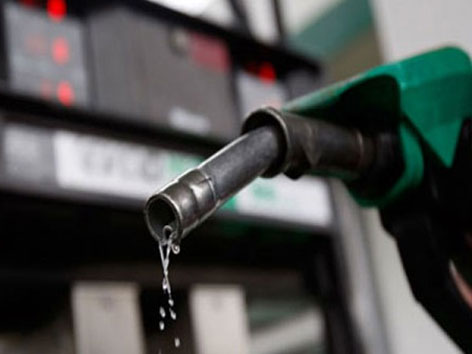
KARACHI: Pakistan’s consumer-price inflation is projected to accelerate sharply to between 11% and 11.5% year-on-year in April, the steepest monthly reading in almost two years, as a surge in fuel costs triggered by escalating tensions in the Middle East feeds through to domestic prices.
Latest
Pakistan in talks with Saudi Arabia and China to repay $3 billion UAE loan – report
ISLAMABAD: Pakistan is negotiating with Saudi Arabia and China to secure funding for the repayment of roughly $3 billion owed to the United Arab Emirates, Bloomberg reported on Monday.

Geo TV channel faces license threat after airing Indian songs in obituary for legendary singer Asha Bhosle
ISLAMABAD: Pakistan’s leading television news channel defended its decision on Monday to broadcast songs and film clips from India while reporting the death of the legendary singer Asha Bhosle, after the country’s electronic media regulator threatened fines, suspension or outright revocation of its license for violating a long-standing ban on Indian content.
Fitch affirms Pakistan’s B- rating with stable outlook, citing IMF anchor and FX cushion amid energy shocks
KARACHI: Fitch Ratings affirmed Pakistan’s long-term foreign-currency issuer default rating at B- with a stable outlook, pointing to progress on fiscal consolidation and macroeconomic stability that has tracked the International Monetary Fund program and bolstered the country’s funding capacity.
PM Sharif says US-Iran ceasefire holds, further talks likely
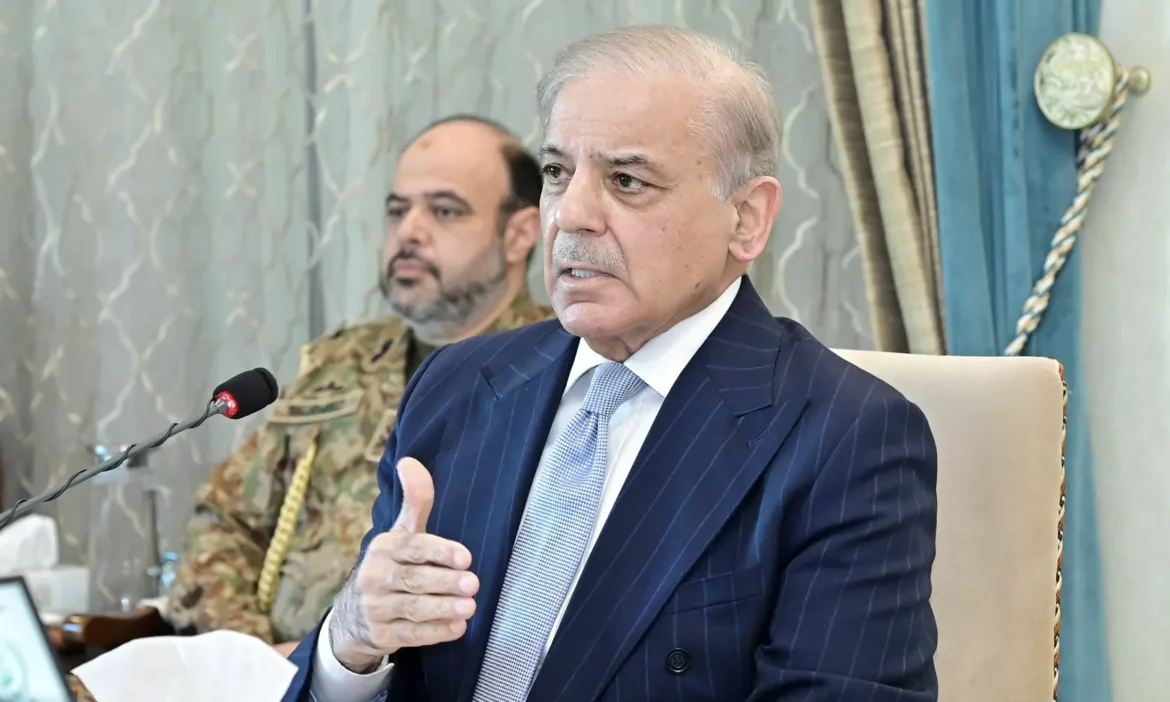
ISLAMABAD: Prime Minister Shehbaz Sharif said on Monday that the fragile ceasefire between the United States and Iran remained in force and that “full efforts” were underway to resolve the issues still separating the two sides, one day after Pakistan hosted the first direct, face-to-face negotiations between senior American and Iranian officials in nearly half a century.
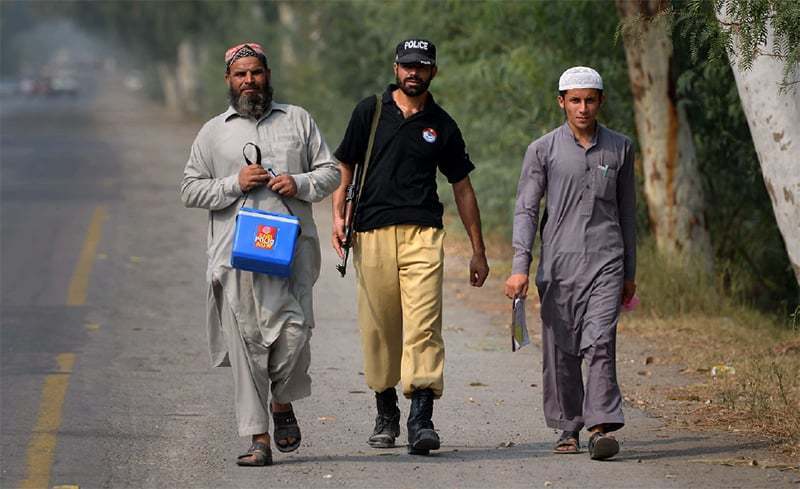
Gunmen kill police officer guarding polio team on first day of nationwide vaccination drive
ISLAMABAD: A police constable was killed, and four other officers were wounded on Monday when unidentified gunmen opened fire on a security detail escorting polio vaccination workers in Hangu district of Khyber Pakhtunkhwa province, officials said, marking the first such assault on law enforcement personnel protecting the teams this year.

UPDATED: FM Aurangzeb kicks off Spring meetings with World Bank, IFC push for reforms and private capital
ISLAMABAD: Finance Minister Muhammad Aurangzeb began his program at the World Bank-IMF Spring Meetings on Monday with a pair of high-level discussions focused on deepening international support for Pakistan’s economic agenda amid fresh external pressures from the Middle East conflict.
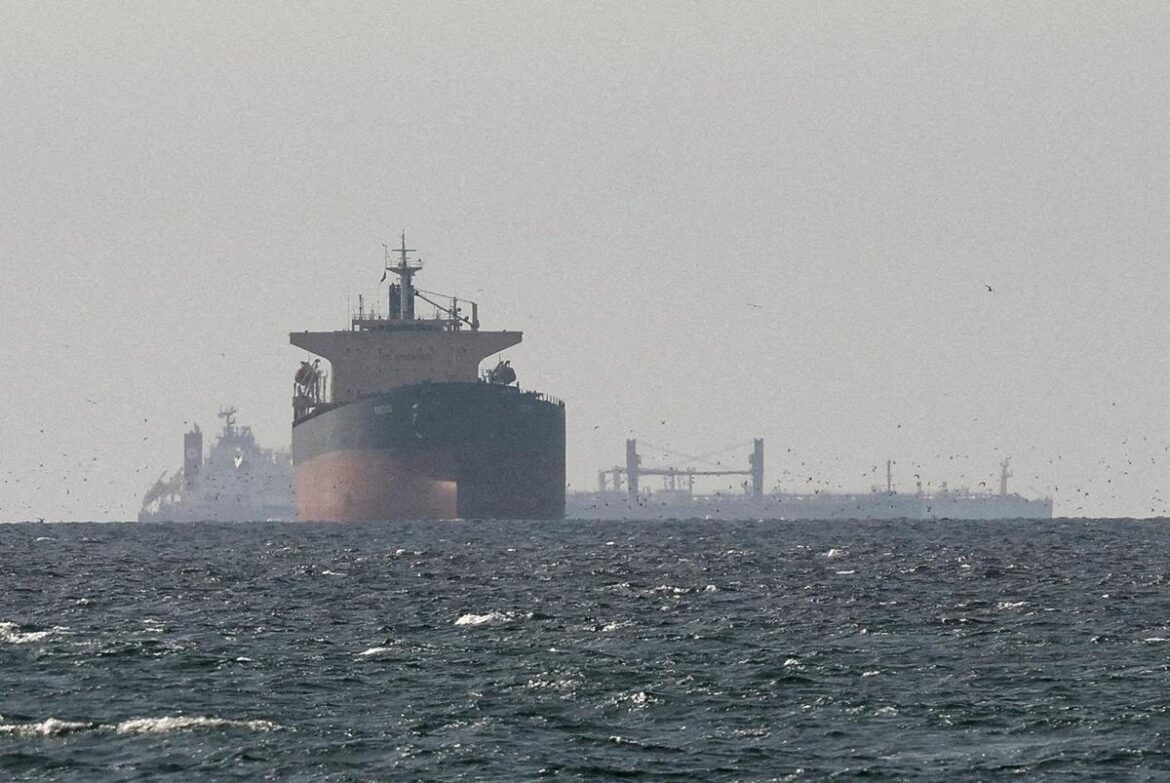
Iran warns ‘no port in region will be safe’ as US blockade of Hormuz set to begin in hours, oil surges past $100
ISLAMABAD: Iran’s armed forces warned Monday that “no port in the region will be safe” if the United States proceeds with its planned naval blockade of Iranian ports and coastal waters, declaring the impending operation an “illegal act” that “amounts to piracy” and vowing that security in the Persian Gulf and Gulf of Oman will be “for everyone or for no one.”
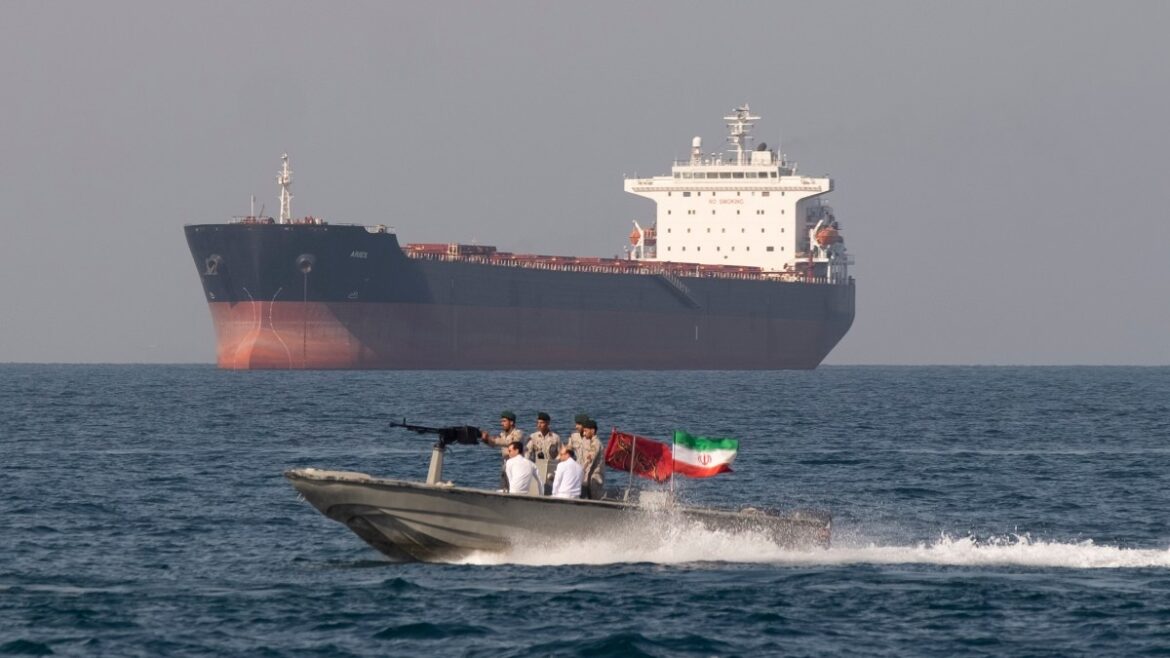
Trump’s Hormuz Blockade Is a Dangerous Gamble
The collapse of talks in Islamabad on Sunday was not a surprise. What followed was. Within hours of Vice President JD Vance boarding his plane home from Pakistan — after the highest-level direct negotiations between the United States and Iran since the 1979 revolution — President Donald Trump announced that the United States Navy would begin blockading Iranian ports and enforcing restrictions on the Strait of Hormuz. The fragile two-week ceasefire that had paused a war begun by American and Israeli strikes in late February now hangs by a thread. Oil prices leapt more than 8 percent on Monday, with both Brent and West Texas Intermediate crossing the $100-a-barrel threshold. Tankers turned back. Markets priced in the possibility of a deeper energy shock than anything the world has seen since the 1970s. This is not the way great-power crises are supposed to end. It is the way they spiral.
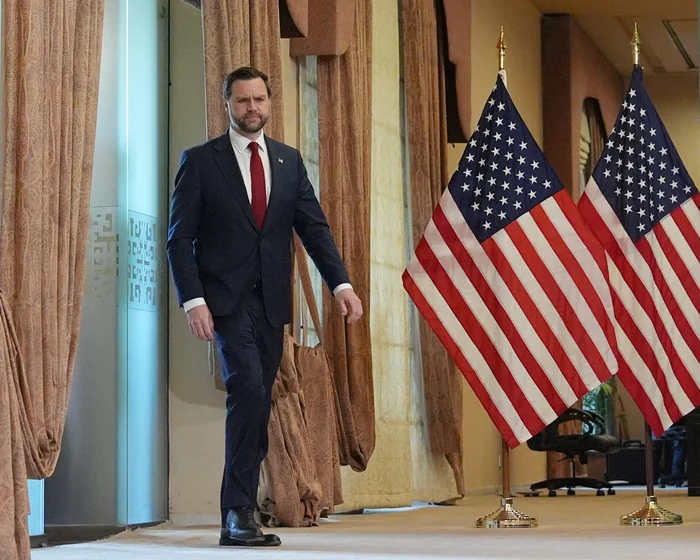
Why the US-Iran Talks Collapsed — and Why They Must Resume
The marathon negotiations in Islamabad ended much as they began: with both sides talking past each other across a chasm of mistrust that four decades of estrangement had only widened. After 21 hours of direct, face-to-face talks — the highest-level contact between American and Iranian officials since the 1979 Islamic Revolution — Vice President JD Vance stepped to the microphone in Pakistan’s capital and delivered a verdict that was polite in tone but blunt in substance. Iran had rejected Washington’s “final and best offer.” Tehran, for its part, accused the United States of making “excessive demands” and “unreasonable” requests on everything from the Strait of Hormuz to its nuclear program. No agreement was reached. No date was set for the next round. The two-week ceasefire that Pakistan had brokered on April 8 now hangs by a thread.