
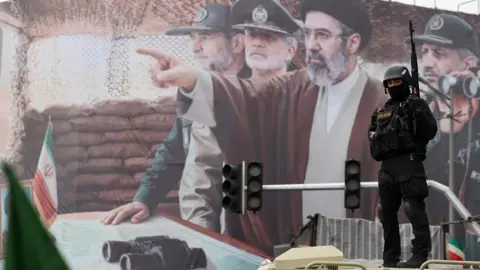
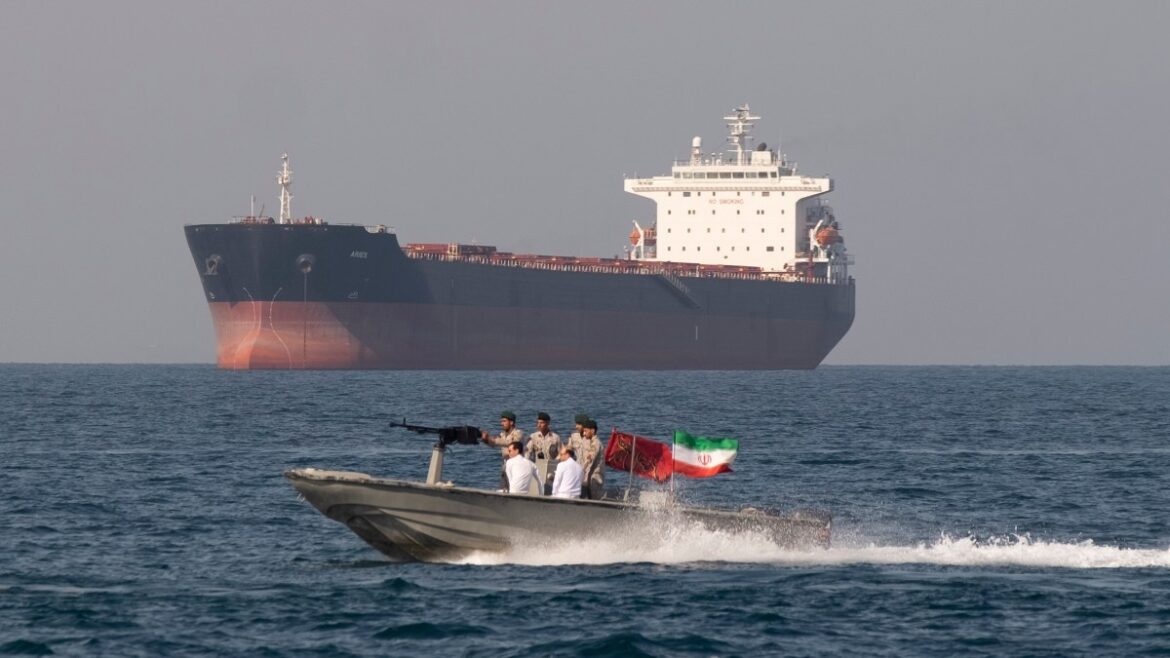
President Donald Trump’s decision to extend the US-Iran ceasefire indefinitely was presented as a gesture of strategic patience. Iran, he said, was “seriously fractured,” financially collapsing, and unable to produce a unified negotiating position. The naval blockade would stay in place as leverage. Vice President JD Vance’s bags were already packed for a second round of talks in Islamabad; the trip was quietly cancelled. White House Press Secretary Karoline Leavitt was more blunt: Iran is in a “very weak position,” the cards are in Trump’s hands, and the president will decide when — or whether — the war ends. It is a high-risk gamble dressed up as strength. The ceasefire extension buys time, but it also entrenches a volatile limbo — no war, no peace, no talks — in which both sides are doubling down on postures that make compromise harder. Iran’s military parades, missile displays, and ship seizures in the Strait of Hormuz are not signs of a regime about to crumble. They are calculated signals that Tehran will not negotiate under the gun. Trump’s blockade and open-ended truce are not masterstrokes of leverage. They are a bet that economic pain will force Iranian pragmatists to override hardliners — a bet that history suggests often backfires.
Op-Ed
Ceasefire Holds, but Diplomacy Fractures
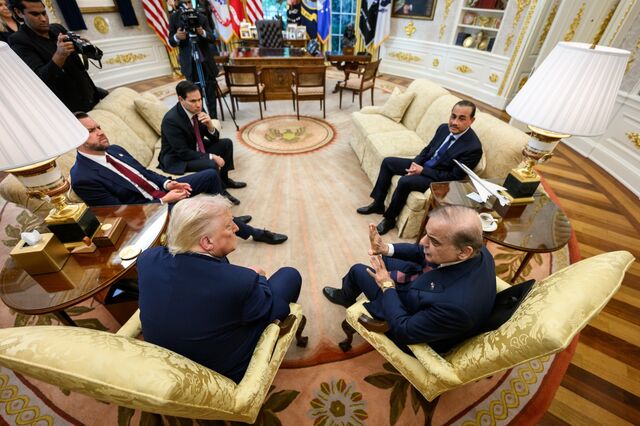
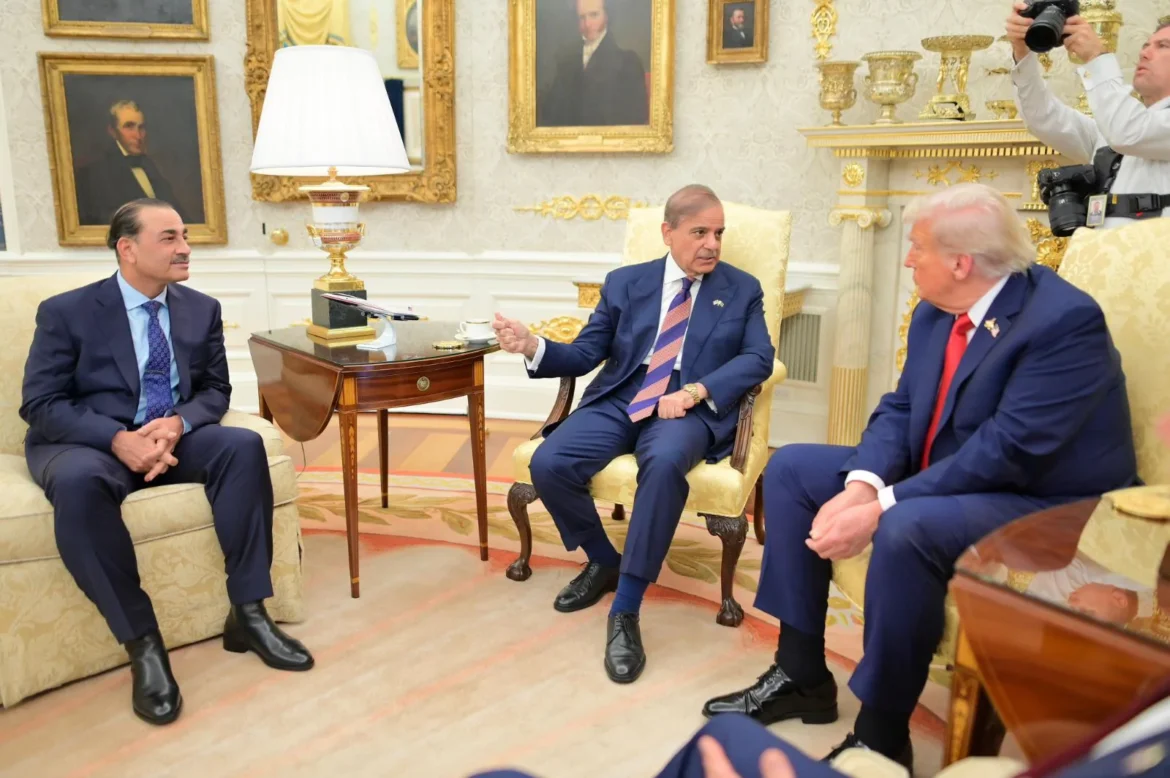
The latest twist in the two-month-old war between the United States and Iran arrived, as so many have lately, via a late-night Truth Social post from President Donald Trump. On Tuesday, with the two-week ceasefire on the brink of expiration, Trump announced he was extending it indefinitely — or at least until Tehran submits a “unified proposal” and talks run their course. The decision, he said, came at the direct request of Pakistan’s Prime Minister Shehbaz Sharif and army chief Field Marshal Asim Munir. It followed hours of frantic deliberations in the White House, where Air Force Two sat fueled and ready to carry Vice President JD Vance to Islamabad for what was supposed to be the next round of mediated negotiations.
The Strait of Hormuz Is Not a Poker Chip — It Is a Global Lifeline
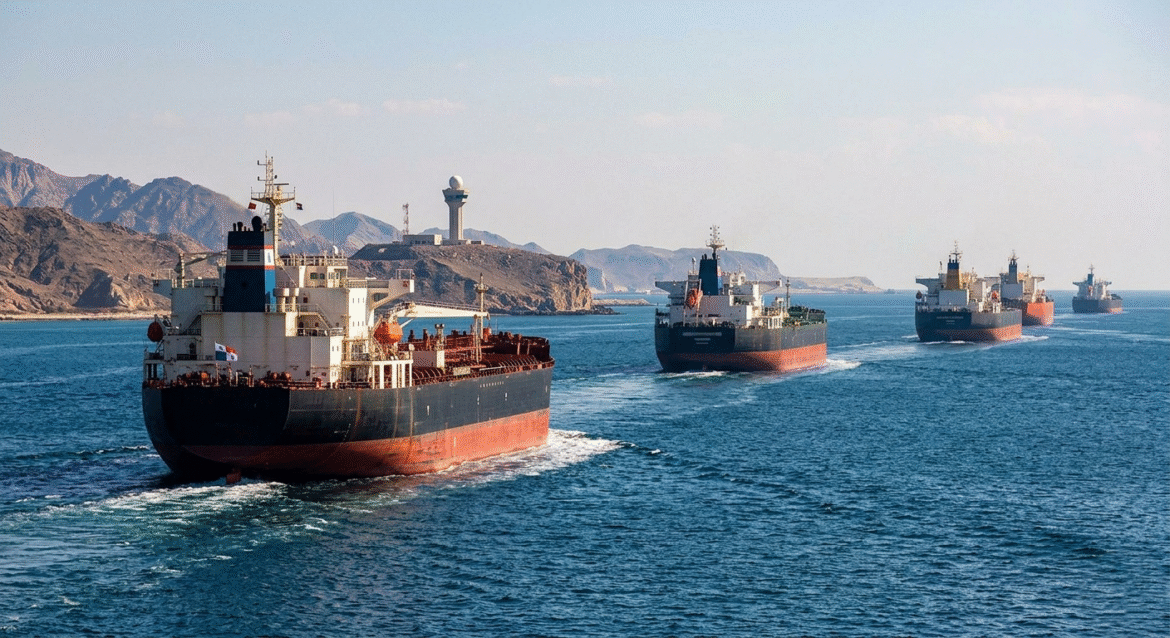
The images are haunting in their familiarity: merchant vessels idling in the Persian Gulf, their crews numbering in the tens of thousands, waiting for safe passage through the narrow choke point that carries one-fifth of the world’s oil and liquefied natural gas. On Saturday, Iran once again declared the Strait of Hormuz under “strict military control,” reversing a fleeting reopening announced barely 24 hours earlier. President Trump responded with characteristic bluntness, insisting that Tehran could not “blackmail” the United States by closing the waterway. Shipping officials reported at least two vessels — including Indian-flagged ships — coming under fire. The fragile two-week ceasefire that had offered a glimmer of de-escalation now hangs by a thread, set to expire on Wednesday.

When UAE Deposits No Longer Buy Alignment
For more than a decade, Pakistan has treated financial lifelines from the Gulf as a structural feature of its economy rather than a temporary bridge. Abu Dhabi’s refusal to roll over roughly $3.5 billion in deposits at the State Bank of Pakistan—now being repaid in tranches that include a $2 billion maturity on April 17 —should shatter that illusion once and for all. The timing is brutal. Global oil prices have spiked past $100 a barrel amid the Iran war. Pakistan’s foreign-exchange reserves hover near $16.4 billion, barely three months of import cover. Fuel costs are surging, inflation is accelerating, and the country is scrambling to meet the International Monetary Fund’s reserve targets under its $7 billion program. But the deeper damage is strategic. What is collapsing is not merely a banking arrangement but the assumption that money can indefinitely substitute for aligned interests.
A Return to the Table in Islamabad
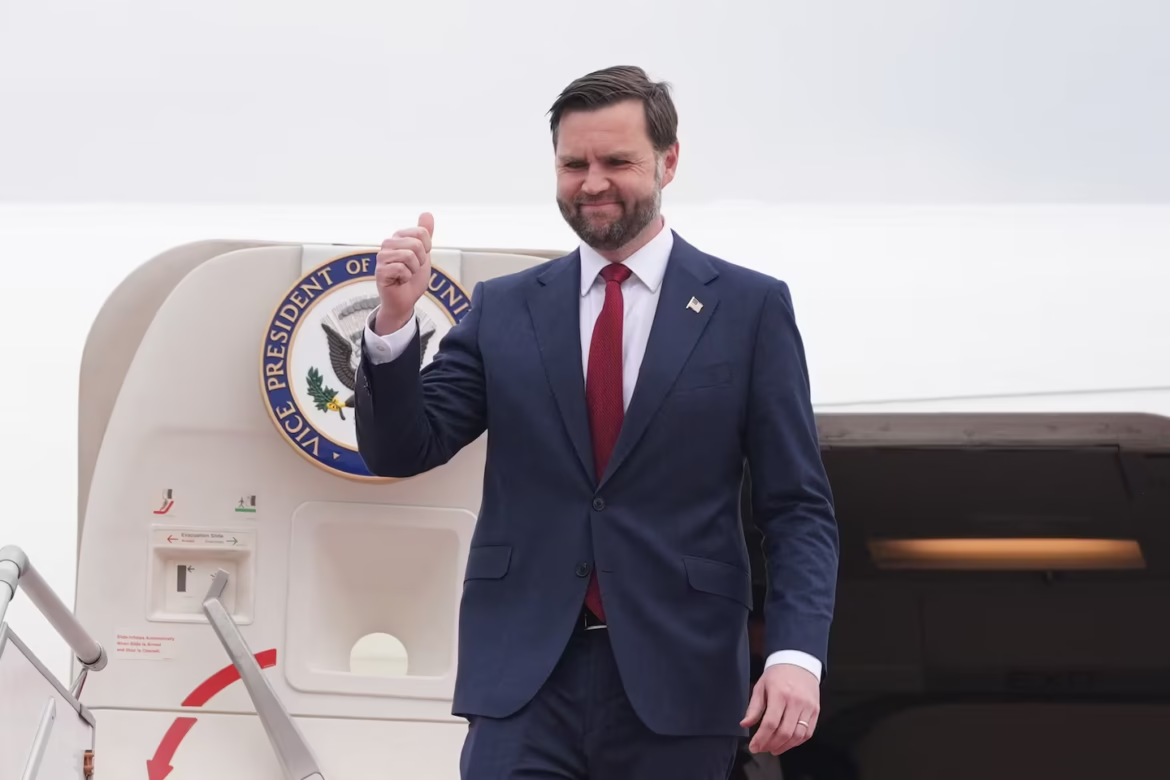
Pakistan’s capital has become an improbable pivot point in a war that was never supposed to last this long. Less than a week after the first face-to-face negotiations between the United States and Iran in more than 40 years collapsed in Islamabad, President Trump is signalling that a second round could begin “over the next two days.” He has even urged a New York Post reporter to stay put in Pakistan because “something could be happening.” Vice President JD Vance, who led the American side in last weekend’s 21-hour marathon, has described the Iranian negotiators as eager for a deal despite the deep mistrust. Pakistani officials, from Prime Minister Shehbaz Sharif to the powerful army chief Field Marshal Asim Munir, are racing to make it happen—Sharif leaves Wednesday for Saudi Arabia, Qatar and Turkey to line up regional backing before the fragile two-week ceasefire expires next week.
Trump’s Hormuz Blockade Is a Dangerous Gamble
The collapse of talks in Islamabad on Sunday was not a surprise. What followed was. Within hours of Vice President JD Vance boarding his plane home from Pakistan — after the highest-level direct negotiations between the United States and Iran since the 1979 revolution — President Donald Trump announced that the United States Navy would begin blockading Iranian ports and enforcing restrictions on the Strait of Hormuz. The fragile two-week ceasefire that had paused a war begun by American and Israeli strikes in late February now hangs by a thread. Oil prices leapt more than 8 percent on Monday, with both Brent and West Texas Intermediate crossing the $100-a-barrel threshold. Tankers turned back. Markets priced in the possibility of a deeper energy shock than anything the world has seen since the 1970s. This is not the way great-power crises are supposed to end. It is the way they spiral.
Why the US-Iran Talks Collapsed — and Why They Must Resume
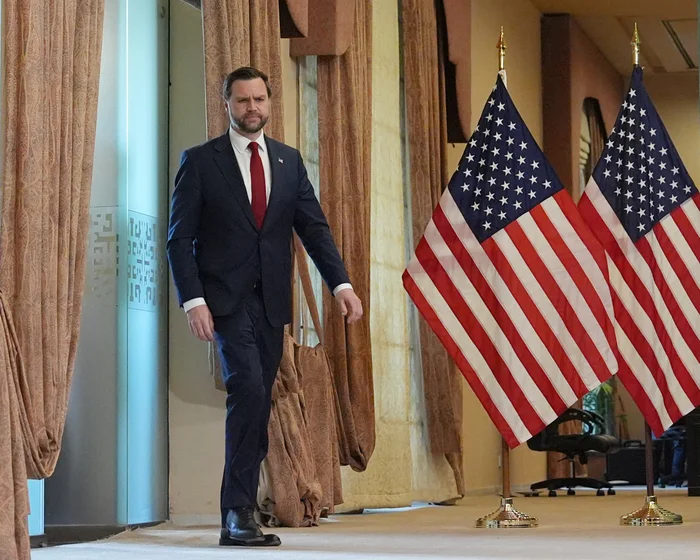
The marathon negotiations in Islamabad ended much as they began: with both sides talking past each other across a chasm of mistrust that four decades of estrangement had only widened. After 21 hours of direct, face-to-face talks — the highest-level contact between American and Iranian officials since the 1979 Islamic Revolution — Vice President JD Vance stepped to the microphone in Pakistan’s capital and delivered a verdict that was polite in tone but blunt in substance. Iran had rejected Washington’s “final and best offer.” Tehran, for its part, accused the United States of making “excessive demands” and “unreasonable” requests on everything from the Strait of Hormuz to its nuclear program. No agreement was reached. No date was set for the next round. The two-week ceasefire that Pakistan had brokered on April 8 now hangs by a thread.
The Fragile Path to Peace in Islamabad
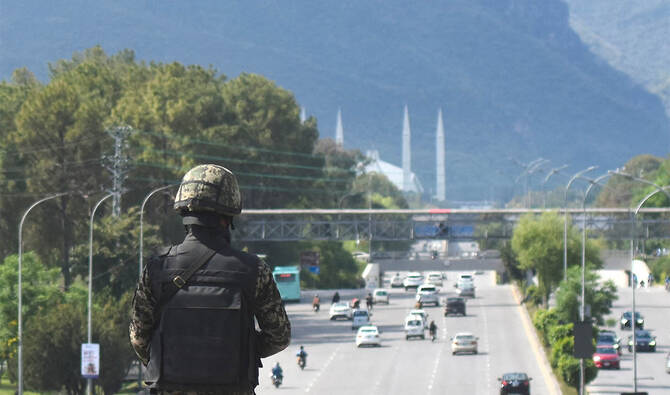
On Saturday morning, in the tree-lined diplomatic quarter of a capital better known for coups and crises than for brokering great-power peace, Vice President JD Vance will sit down with senior Iranian officials for the first direct negotiations between Washington and Tehran since the war began on Feb. 28. The meeting, hosted by Pakistan and involving Jared Kushner and Steve Witkoff on the American side, carries the weight of a region already scarred by nearly six weeks of fighting, at least 3,800 dead and an economic shock that has sent oil prices soaring and left hundreds of ships idling in the Persian Gulf.
Pakistan Brokers a Breather — Now Comes the Hard Part
The announcement came just before dawn in Islamabad on Wednesday: a two-week ceasefire between the United States and Iran, brokered at the last possible minute by Pakistani officials who understood what Washington’s bluster had obscured. President Trump had warned that “a whole civilization will die tonight” if Iran refused to reopen the Strait of Hormuz by his deadline. Instead, the pause arrived not through American firepower but through quiet Pakistani channels — a small circle of diplomats and military leaders who shuttled messages between adversaries who no longer trusted each other to speak directly. Iran agreed to coordinate safe passage through the strait, the artery carrying one-fifth of the world’s oil. The United States suspended its strikes. And both sides, predictably, declared victory.
Fuel Shock Isn’t the Crisis. Dependence Is
In Karachi, Mohammad Kashif stood at a petrol station and filling his tank at the new price of 458 rupees a liter did not need an economist to explain what was happening to his life. He simply knew that the money he once stretched across rent, food and school fees had suddenly vanished into the petrol pump. Across Pakistan, millions are making the same grim arithmetic.