
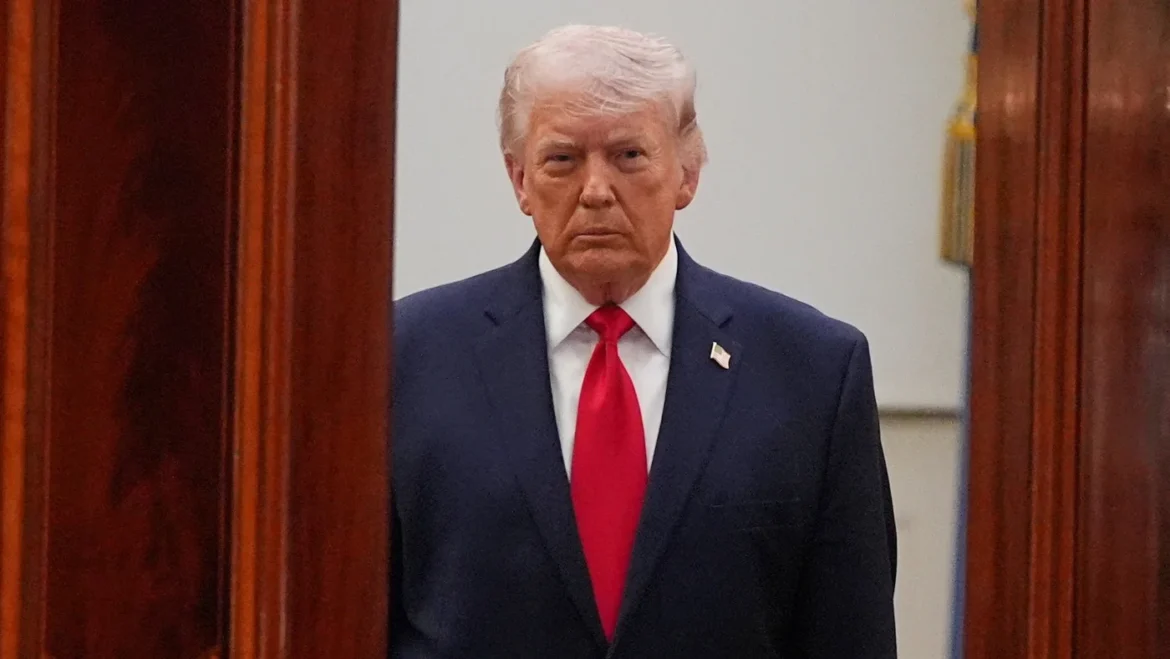
President Trump’s primetime address on the war with Iran was never going to be easy listening. But even by the standards of a conflict that has already claimed thousands of lives, drained billions of dollars and sent global energy prices soaring, Wednesday night’s 19-minute performance was astonishingly empty. Billed as a moment for Americans to hear how the fighting would end, it delivered only the same threats, the same boasts and the same timeline — two or three more weeks of ferocious bombing — that everyone has heard for weeks. There was no new diplomatic formula. No acknowledgement of Iranian demands. No realistic path to reopening the Strait of Hormuz. Just the familiar vow to “hit them extremely hard” and “bring them back to the Stone Ages, where they belong.” This was not resolve. It was stalling.
Op-Ed
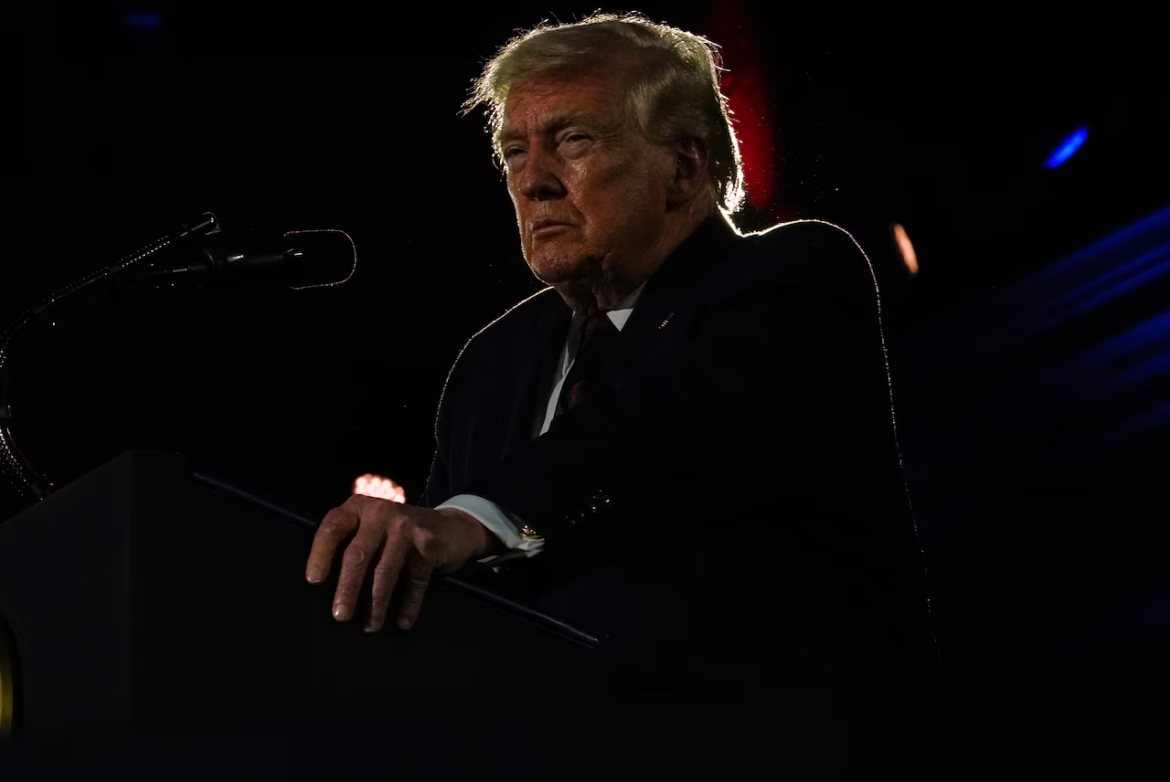
The Perils of a War Half-Won
One month after the United States and Israel began their joint assault on Iran, the question that matters most is not whether American power has inflicted damage. It has. The question is whether that damage has brought the United States any closer to the decisive outcome President Donald Trump once described as both necessary and inevitable.
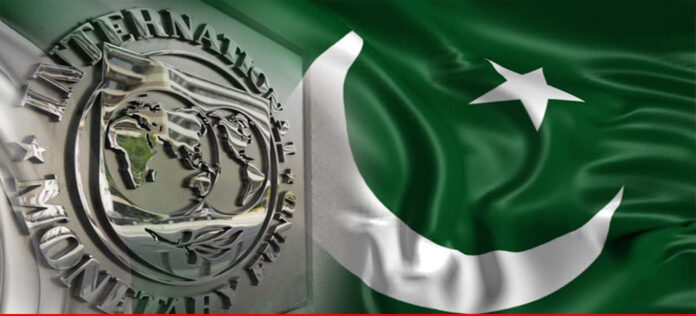
A $1.2bn IMF deal that cannot hide Pakistan’s deeper failings
When the International Monetary Fund signalled its staff-level agreement with Pakistan on 27 March, the timing was no coincidence. It came on the same day that Prime Minister Shehbaz Sharif overruled the Oil and Gas Regulatory Authority and blocked a rise in domestic fuel prices despite soaring international costs. Four weeks into a conflict that has upended energy markets across the Gulf, the Fund’s move looks less like business as usual and more like reluctant recognition that geopolitics has rewritten the script.
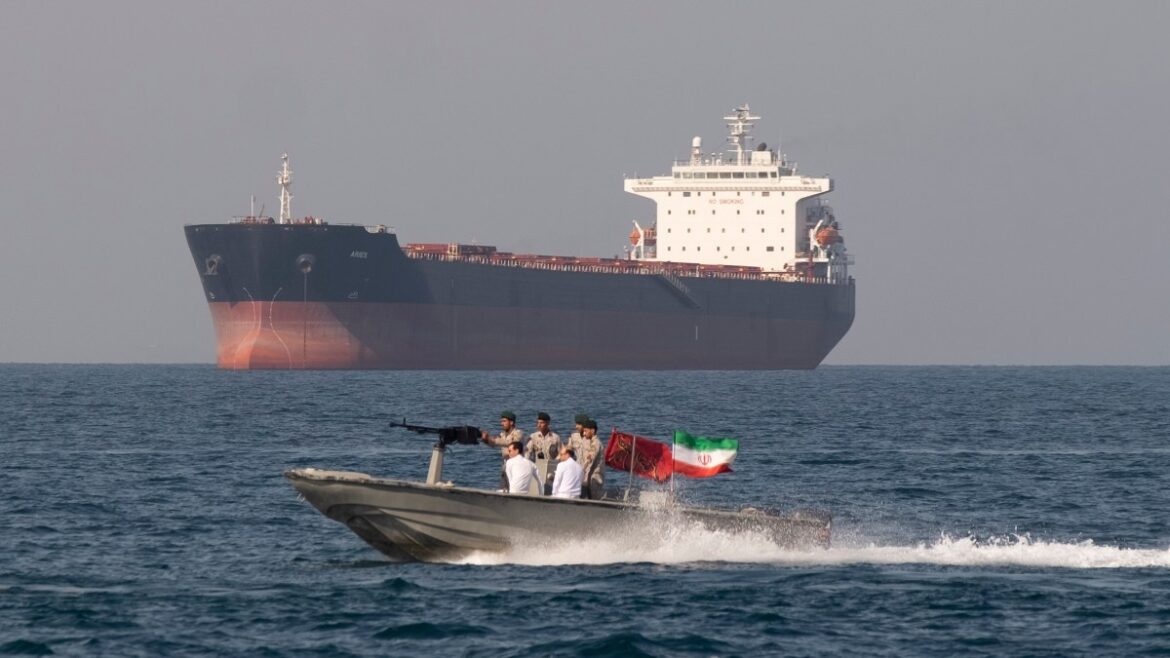
Washington and Tehran Should Take the Exit Still Available
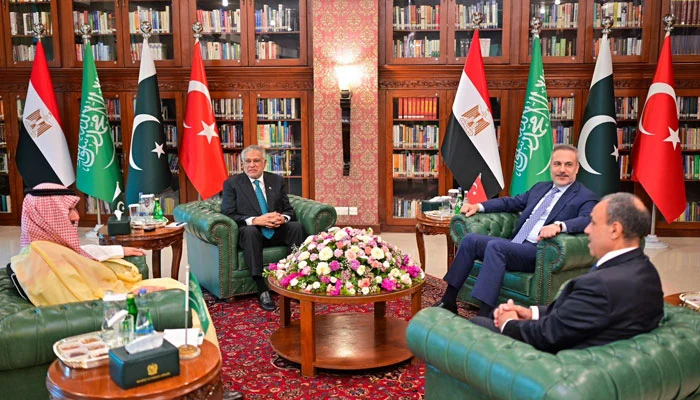
The United States-Israeli war on Iran, now well into its fifth week, has become intolerable — to the region, to global energy markets and, increasingly, to the governments trying to contain the damage. When Pakistan’s deputy prime minister and foreign minister, Mohammad Ishaq Dar, stood up at the end of the day-long talks between foreign ministers of Pakistan, Saudi Arabia, Turkey and Egypt and said Islamabad was prepared to host “meaningful talks” between Washington and Tehran “in the coming days” for a “comprehensive and lasting settlement,” he was not indulging in hopeful language. He was stating the only realistic path still open.
Pakistan Tries to Keep Diplomacy Alive
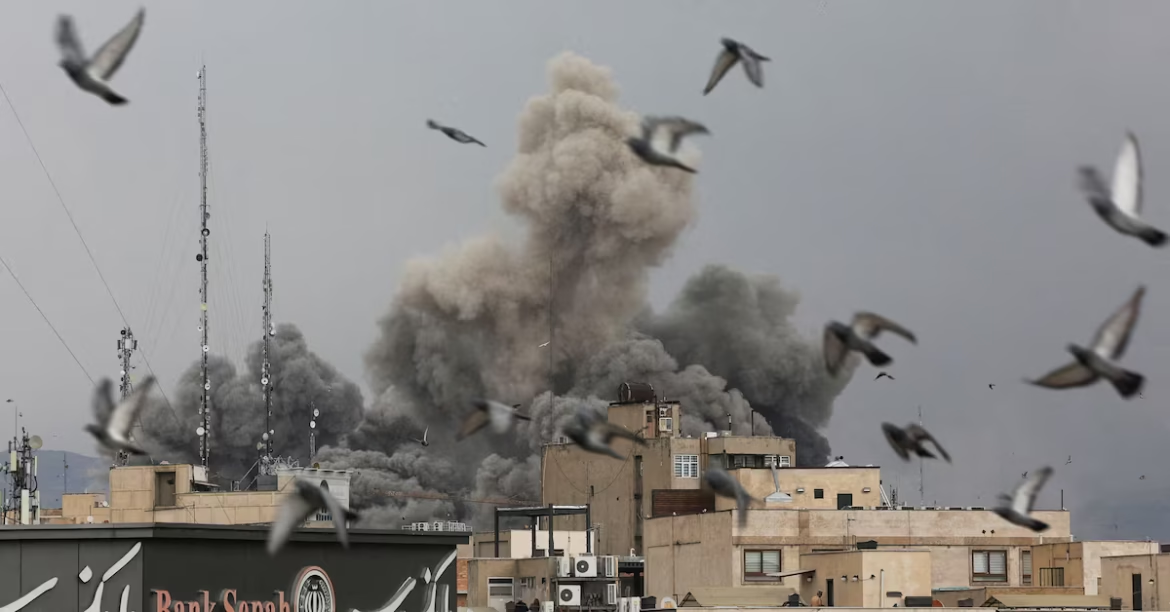
The bombs fell again on Friday, this time on two of Iran’s largest steel plants, a power station and civilian nuclear sites that Tehran insists have nothing to do with its military program. Israel also struck universities, according to Iranian officials. These were precisely the kinds of attacks on non-military targets that Pakistani diplomats had warned would kill any chance of talks. Yet even as the smoke rose over Iran’s industrial heartland, Islamabad was still trying to keep the door open. Prime Minister Shehbaz Sharif spoke for more than an hour with President Masoud Pezeshkian. Foreign ministers from Turkey, Egypt, Saudi Arabia and Pakistan are gathered in Islamabad on the Middle East crisis. And Pakistan’s de facto leader, Field Marshal Asim Munir, continues to shuttle messages between Washington and Tehran.
The Middle East War Has an Off-Ramp. It Won’t Stay Open Long
The United States and Iran are, by all credible accounts, about to sit down face to face for the first time since this war began. Germany’s foreign minister, Johann Wadephul said a direct meeting is expected “very soon” in Pakistan. Hours earlier, President Trump’s special envoy Steve Witkoff confirmed that Pakistan had delivered Washington’s 15-point peace plan to Tehran. These are not rumors; they are the first concrete signs that diplomacy may still have a chance to end a conflict that has already killed thousands, closed the Strait of Hormuz – the lifeline of global economy and pushed the Middle East to the brink of a wider conflagration.
India’s Problem With Peace
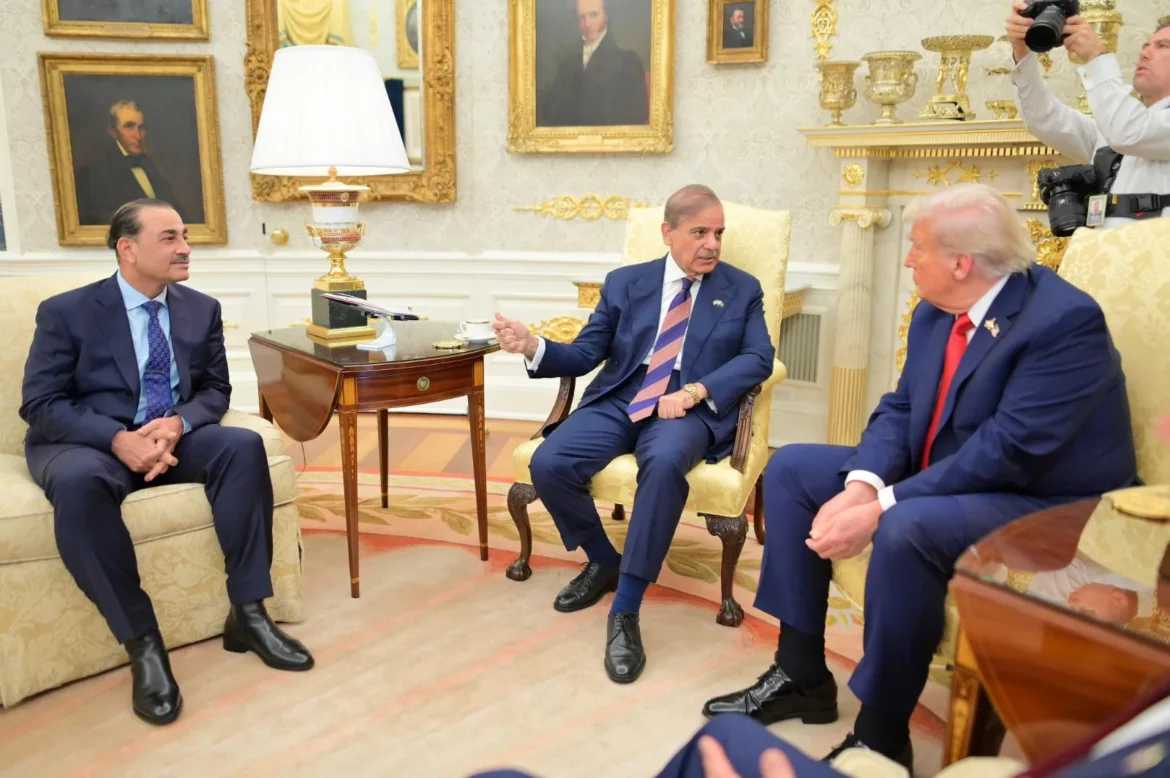
The news from Islamabad this week should have registered as standard middle-power diplomacy in a region on fire. Pakistan, citing its long border with Iran, its ties to both Washington and Tehran, and its newly burnished personal relationship between its army chief and President Donald J. Trump, has positioned itself as a potential host and facilitator for direct talks aimed at ending the fighting between the United States, Israel and Iran.
Trump’s Iran Reversal: Diplomacy, Delay or Market Calculus?
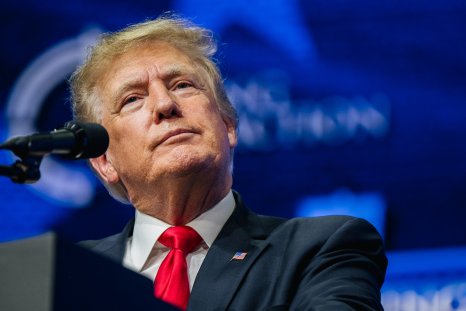
When President Trump took to Truth Social on Monday morning and announced that he was extending his 48-hour ultimatum to Iran by five full days, citing “very good and productive conversations” with Tehran, the global financial markets did exactly what they have learned to do under his leadership: they rallied.
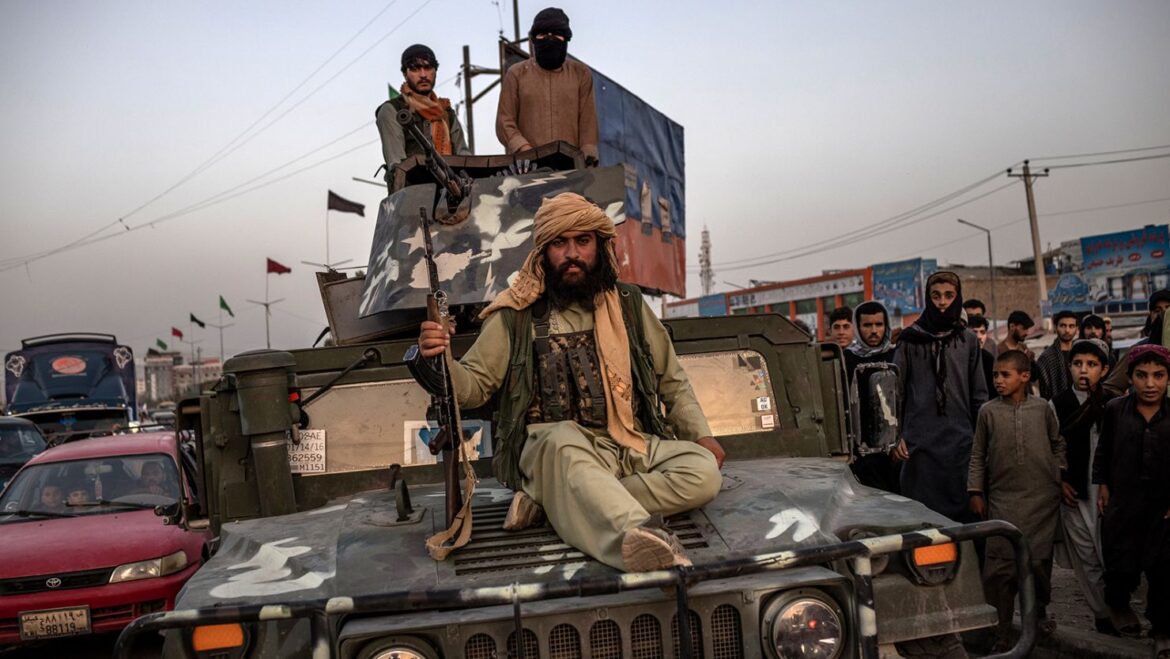
Floggings, Executions, Legalised Abuse: The Taliban’s Vision of Justice
Four years after the Taliban seized power, Afghanistan is no longer sliding backward. It is hurtling into a deliberate abyss of codified cruelty, where the state’s highest authorities have decided that beating women, flogging citizens and executing dissenters in public stadiums constitutes governance.
Why Pakistan Can’t Afford Another Mideast Mess
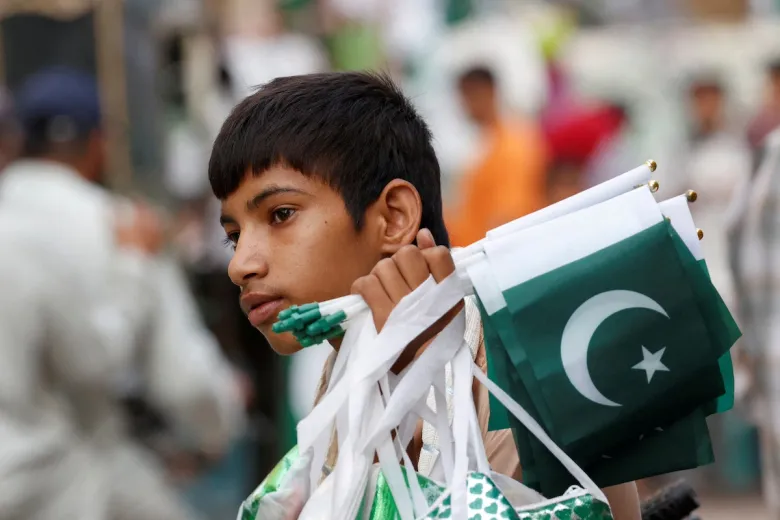
Let’s not mince words: Pakistan is getting hammered by the US-Israel-Iran war, and the fallout could shove this perpetually precarious economy right back into the abyss. Oil at $100 a barrel? That’s not a blip—it’s a body blow. And if this mess drags on, as former Finance Minister Hafiz Pasha grimly predicts, Pakistan’s GDP could shrink by 1% to 1.5%, with the rot setting in deeper after six months. We’ve seen this movie before, and it doesn’t end well.